How international buyers can source reactors, pressure vessels, heat exchangers, columns and tanks from an Indian manufacturer: why India, what documents to expect, packing and shipping, codes, inspection and how to start an enquiry with Creative Engineering in Ankleshwar.

An Indian process equipment manufacturer such as Creative Engineering in Ankleshwar, Gujarat can supply code-built reactors, pressure vessels, heat exchangers, distillation columns and tanks to overseas buyers, with ASME-based design, material certificates, third-party inspection, export-worthy packing and shipping documents, usually at a lower overall cost than local fabrication in many markets.
India has a mature engineering industry with deep experience in chemical and pharmaceutical plants. Fabricators work with stainless steel, duplex, nickel alloys and carbon steel and build to international codes. Because of skilled labour and a large domestic chemical sector, Indian manufacturers can often offer attractive prices for custom vessels and columns, while maintaining code-compliant quality. Gujarat, and Ankleshwar in particular, is one of the main clusters, with suppliers of plate, forgings, pipe, fittings, instruments and testing services nearby.
Creative Engineering, established in 2015, has delivered more than 650 projects from two manufacturing units of 1,75,000 sq ft each at Sudama Industrial Estate, Dadhal, Ankleshwar, Gujarat. We support domestic orders and export enquiries and offer international procurement support. If you are a buyer, EPC contractor or plant owner outside India searching for an exporter of pressure vessels from India, a reactor manufacturer in India or a chemical equipment supplier from Gujarat, this guide explains how the process works.
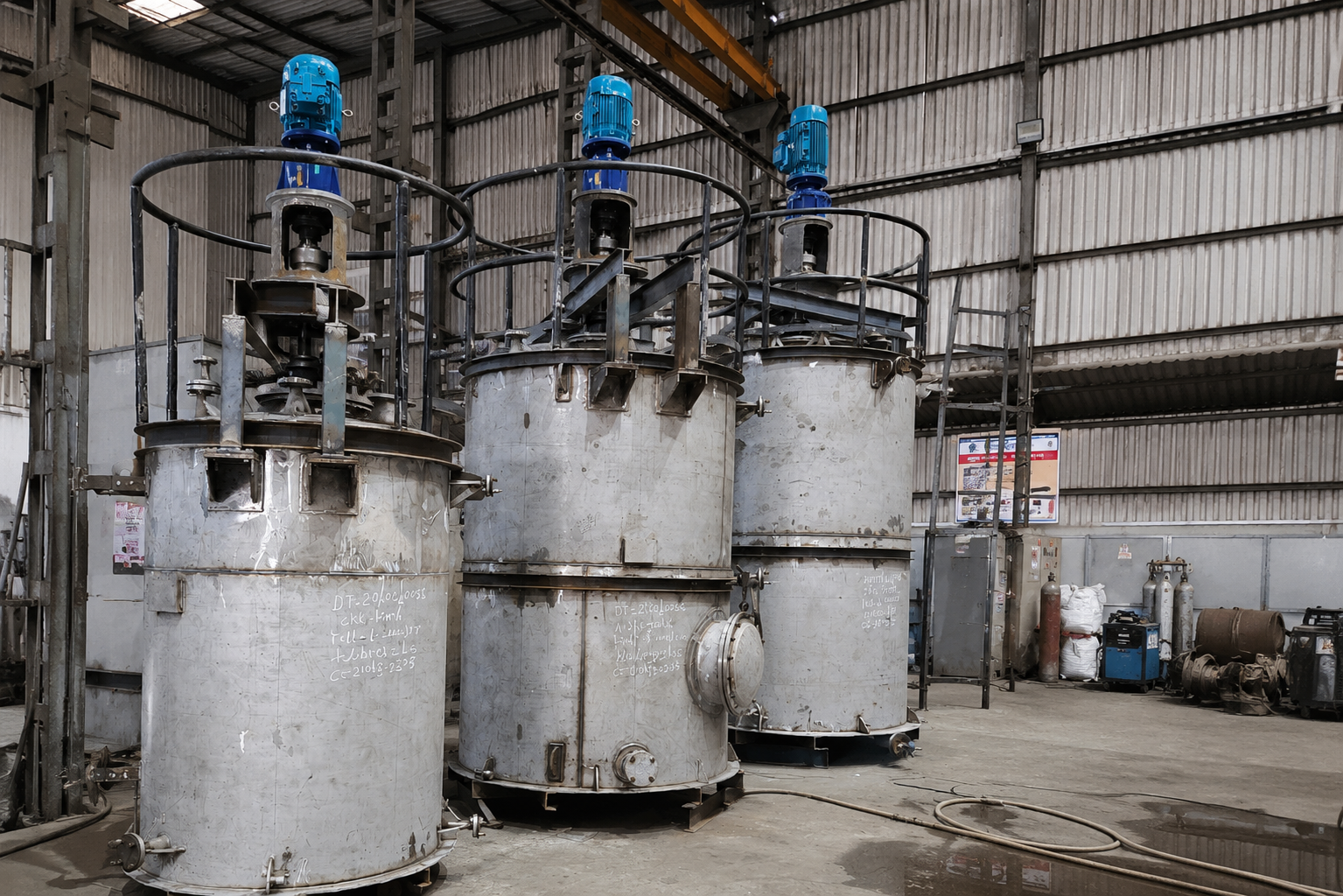

Overseas buyers weigh several factors when deciding between a local fabricator and an Indian exporter. Price is only one of them. The table below lists the points we recommend you compare.
| Factor | Indian manufacturer and exporter | Local fabricator in your country |
|---|---|---|
| Fabrication cost | Often lower for custom, labour-intensive vessels and columns | Depends on local labour and material cost |
| Material choice | Wide range: SS 304, 316L, Duplex, Hastelloy, titanium, carbon steel | Depends on local stock and suppliers |
| Code compliance | ASME, TEMA, IBR and other codes available with stamps | Local code and approvals |
| Lead time | Manufacturing plus shipping; plan transit time | Shorter transit, but local queues may vary |
| Inspection | Third-party inspection at the works | Easier site visits |
| Support after delivery | Remote guidance, spares, site support by arrangement | Local team on call |
Our recommendation is to compare the total landed cost, including freight, duties, inspection and commissioning, rather than ex-works price alone.
Our enquiries and project discussions have come from buyers in the Middle East, Africa, South and South-East Asia, Europe, North America and Australia. Markets that regularly appear in our enquiries include:
| Region | Example countries |
|---|---|
| Middle East | UAE, Saudi Arabia, Oman, Qatar, Kuwait |
| Africa | Egypt, Nigeria, Kenya, South Africa |
| South Asia | Bangladesh, Sri Lanka |
| South-East Asia | Indonesia, Malaysia, Singapore, Thailand, Vietnam |
| Europe | United Kingdom, Germany |
| Americas | USA, Canada, Brazil |
| Oceania | Australia |
Equipment is designed to the code and standard specified in your purchase order, with documentation in English.
Overseas buyers usually require recognised codes. We work to ASME Section VIII Division 1 with ASME U and R stamps and National Board registration, and to IBR where applicable in India. Heat exchangers can follow TEMA classes, piping follows ASME B31.3, and materials follow ASTM or equivalent specifications. Our management systems are certified to ISO 9001:2015, ISO 14001 and ISO 45001, and welding quality follows ISO 3834. Read ASME U stamp, Section VIII and IBR explained and see our certification page.
Export buyers often specify materials by ASTM or EN grade. We can work with the grade you name and support it with mill test certificates and positive material identification (PMI) where required.
Read our material selection guide to match grade with chemistry.
Many export orders require inspection by an independent agency. We welcome buyer representatives and third-party inspectors at agreed hold points such as material receipt, fit-up, NDT and pressure testing. A typical documentation pack includes material test certificates, welding procedure and welder qualification records, NDT reports, pressure test certificates, dimensional reports, surface finish and passivation records where relevant, nameplate details and the manufacturer data report. Read more in our pressure vessel inspection guide.
Large vessels and columns can be shipped as break-bulk or on flat-rack or open-top containers, while smaller equipment fits standard containers. We coordinate with freight forwarders to plan lifting, lashing and port handling. Common incoterms include EXW, FOB and CIF; each divides cost and risk differently between buyer and seller, so state your preferred term in the enquiry. Equipment is cleaned and dried, openings are blanked, stainless steel is protected from contamination by carbon steel, and internals are secured for sea transport.
Commercial terms are agreed in the offer. Payment terms for export orders are commonly based on advance payment with the balance against shipping documents, or by letter of credit, and the details depend on order size and country. Lead time depends on equipment size, material availability, workload and inspection requirements; we confirm the schedule in the quotation. Warranty terms and duration are stated in the offer. Ask us about spares and about remote guidance for installation and commissioning.
A clear data sheet and agreed scope save weeks. Our team will review your inputs and list any open points in the offer. See how to choose a process equipment manufacturer in India for a full checklist.
Export enquiries come in different shapes. Understanding which one applies helps us respond with the right scope and schedule.
Whatever the project, our team confirms scope, interfaces and delivery milestones in the offer so that there are no surprises at site.
Send the following through our contact page or by email to sales@creative-engineering.in: equipment type, quantity, design code, design pressure and temperature, material, working fluid, size or volume, nozzle list, finish and documentation requirements, inspection agency, destination port and delivery date. You can also call +91 98251 38460 or +91 91743 99000. Our engineers respond within 24 hours.
Yes. We manufacture in Ankleshwar, Gujarat and support export orders and international procurement documentation.
ASME Section VIII Division 1 with U and R stamps and National Board registration, plus other codes as specified in the purchase order.
Yes. Buyer representatives and independent inspection agencies can witness agreed stages and tests.
Commercial invoice, packing list, certificate of origin, material and test certificates and a data book, plus any documents required by the buyer.
Typically EXW, FOB and CIF, depending on the agreement with the buyer.
Email sales@creative-engineering.in with your drawing or data sheet, destination port and required delivery date, and we respond within 24 hours.
Yes. We build to customer drawings and specifications, and our engineers review them for manufacturability before fabrication.
We provide installation guidance and remote technical support, and site support can be arranged by agreement.
Creative Engineering, Ankleshwar, Gujarat designs and manufactures process equipment to ASME and IBR codes. Share your drawing or process data and our team will respond with a technical offer.

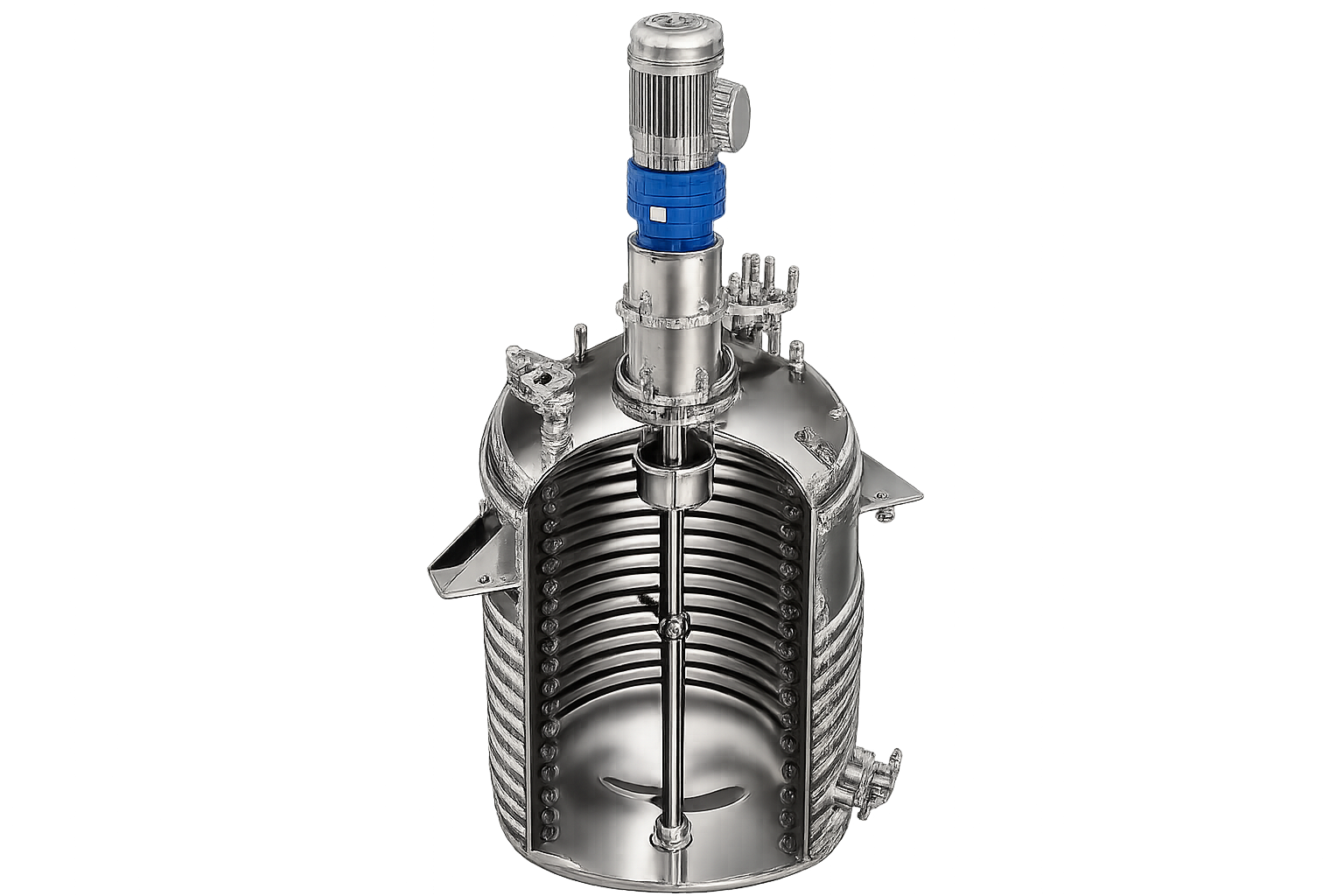
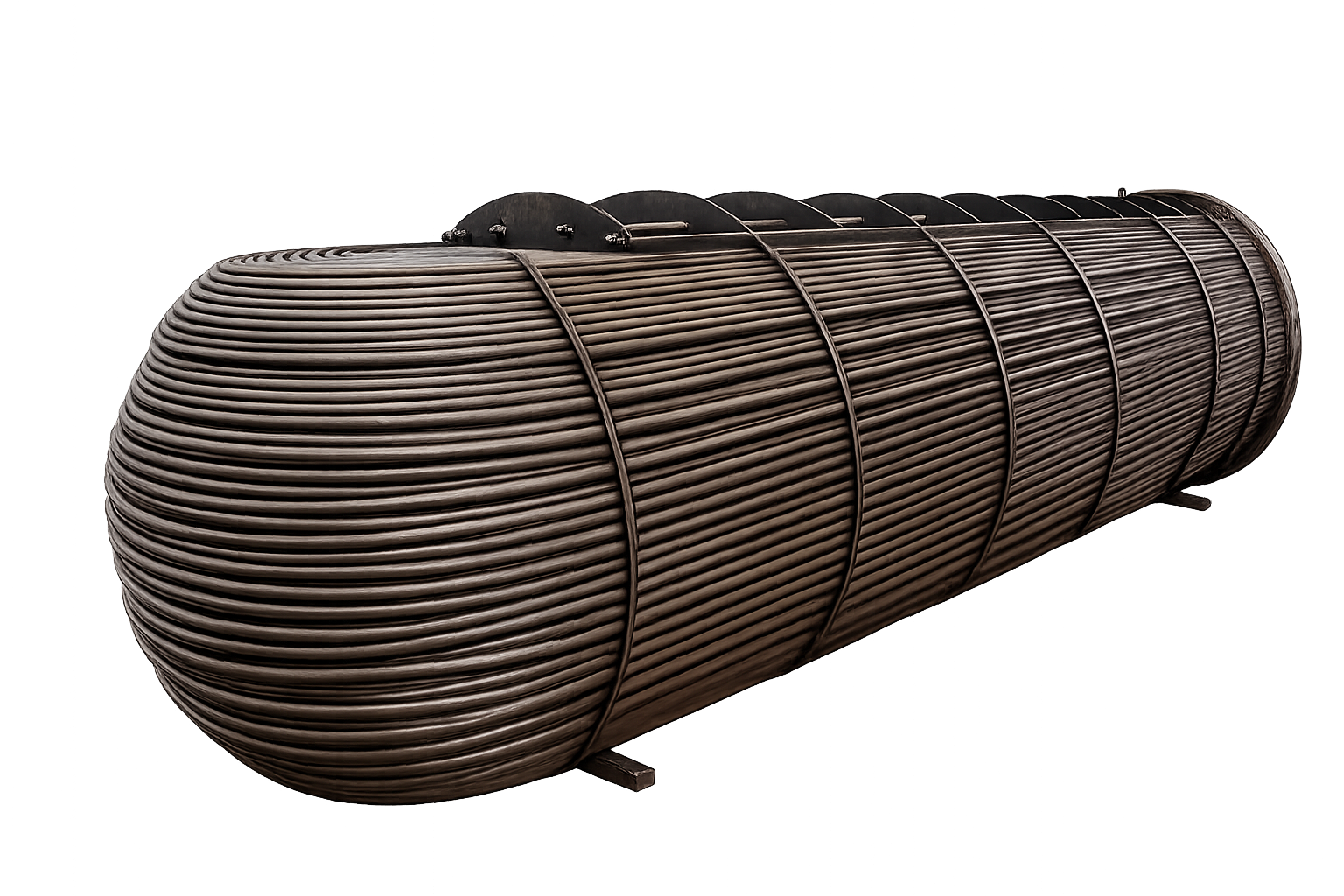
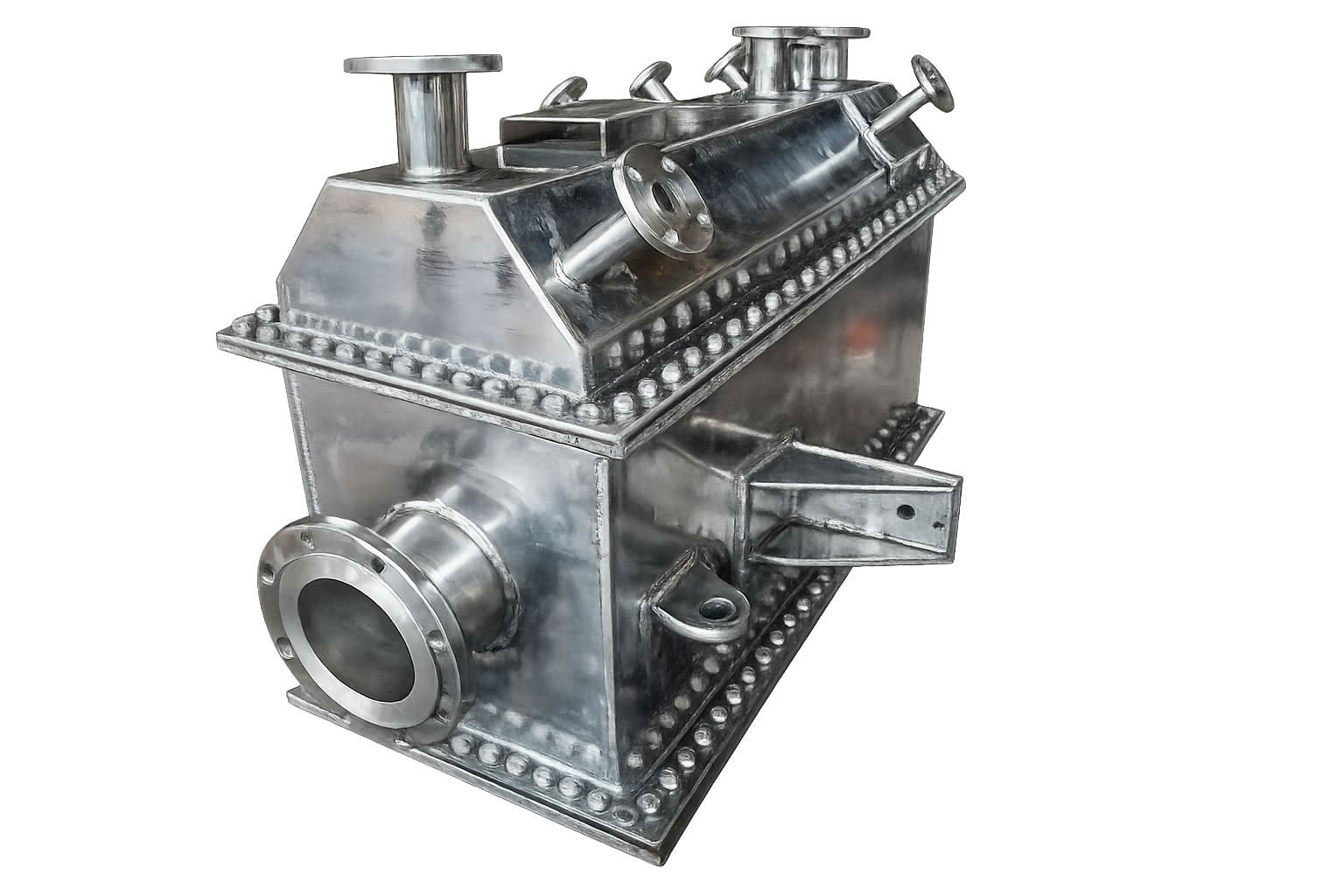
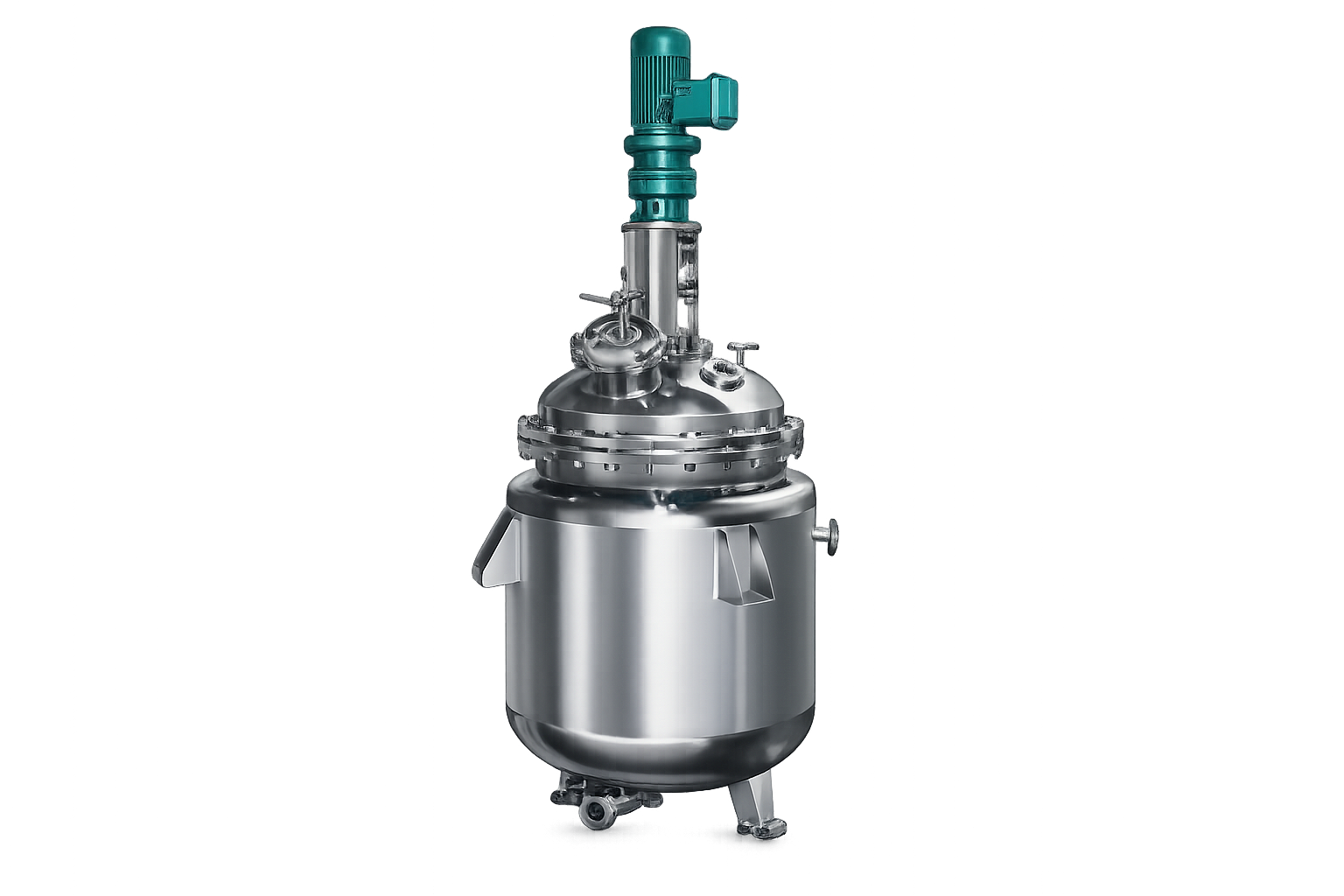




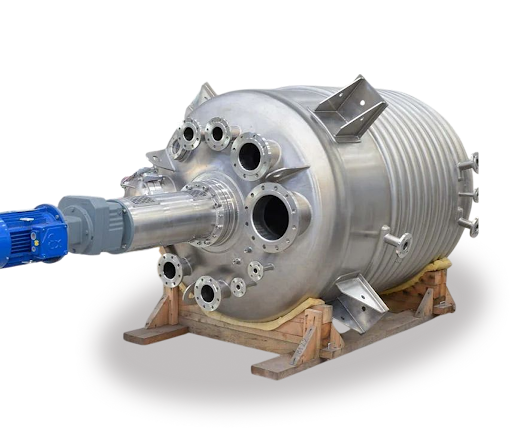 Reactor
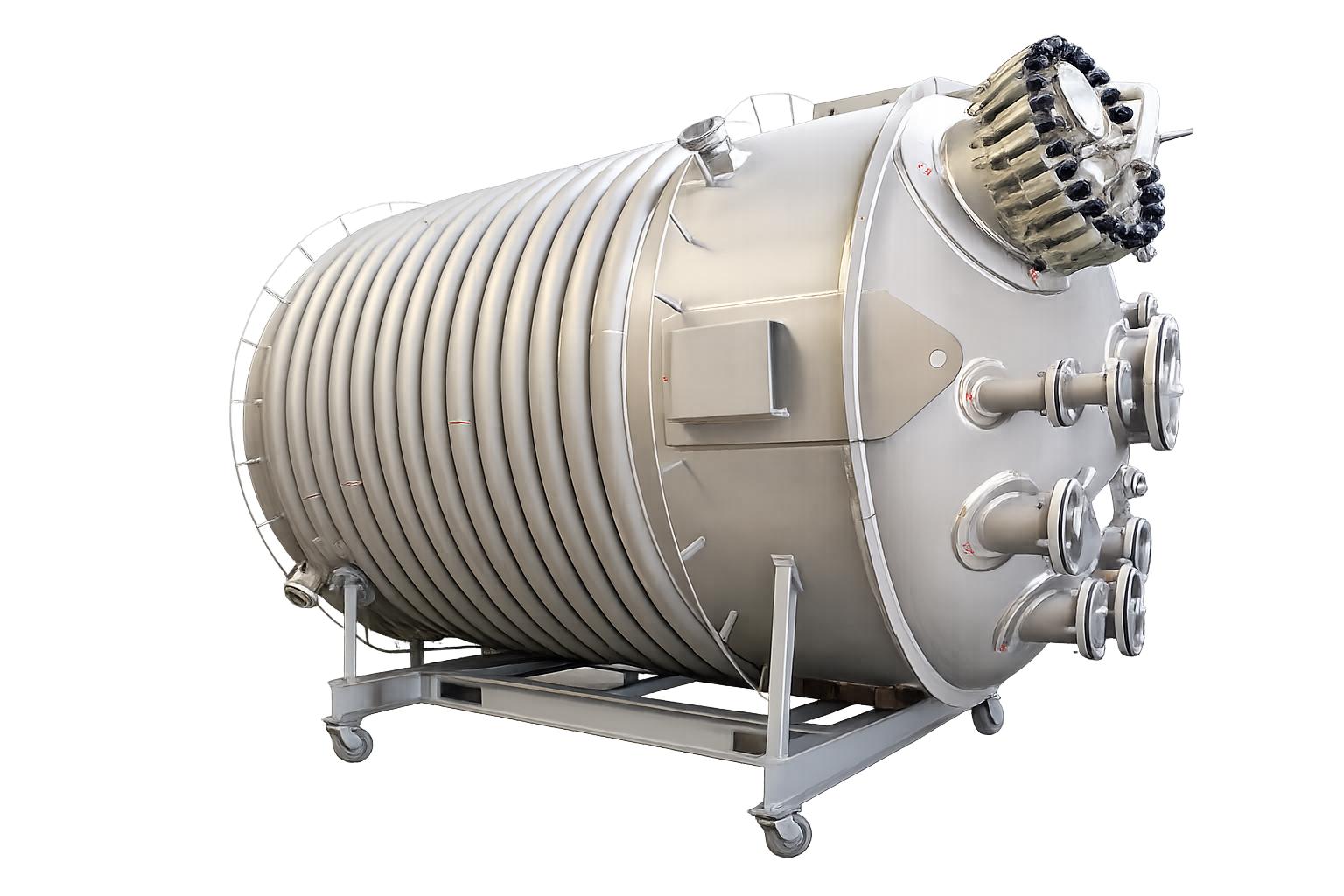 High Pressure Vessel
 Skid Equipment
 Receiver
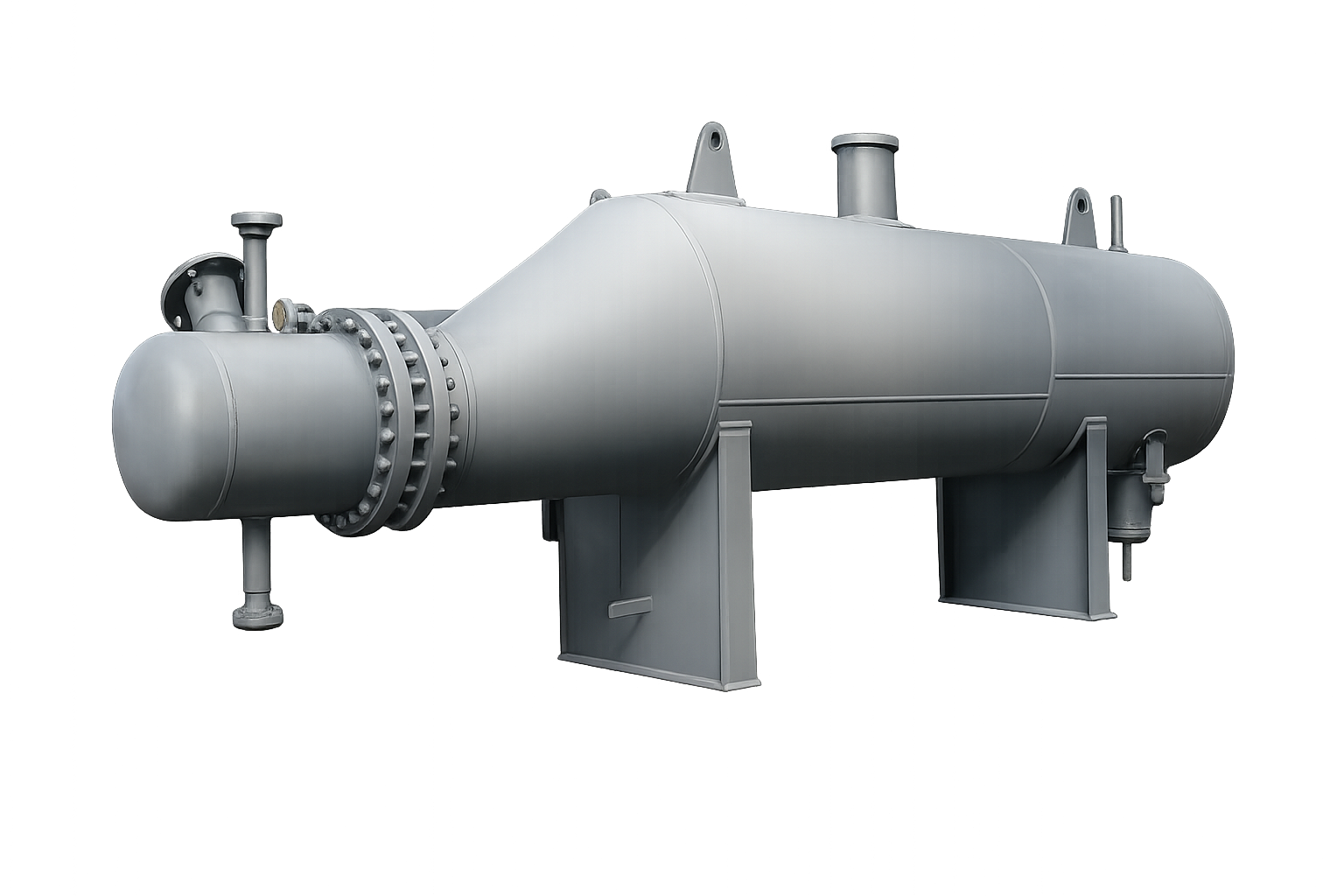
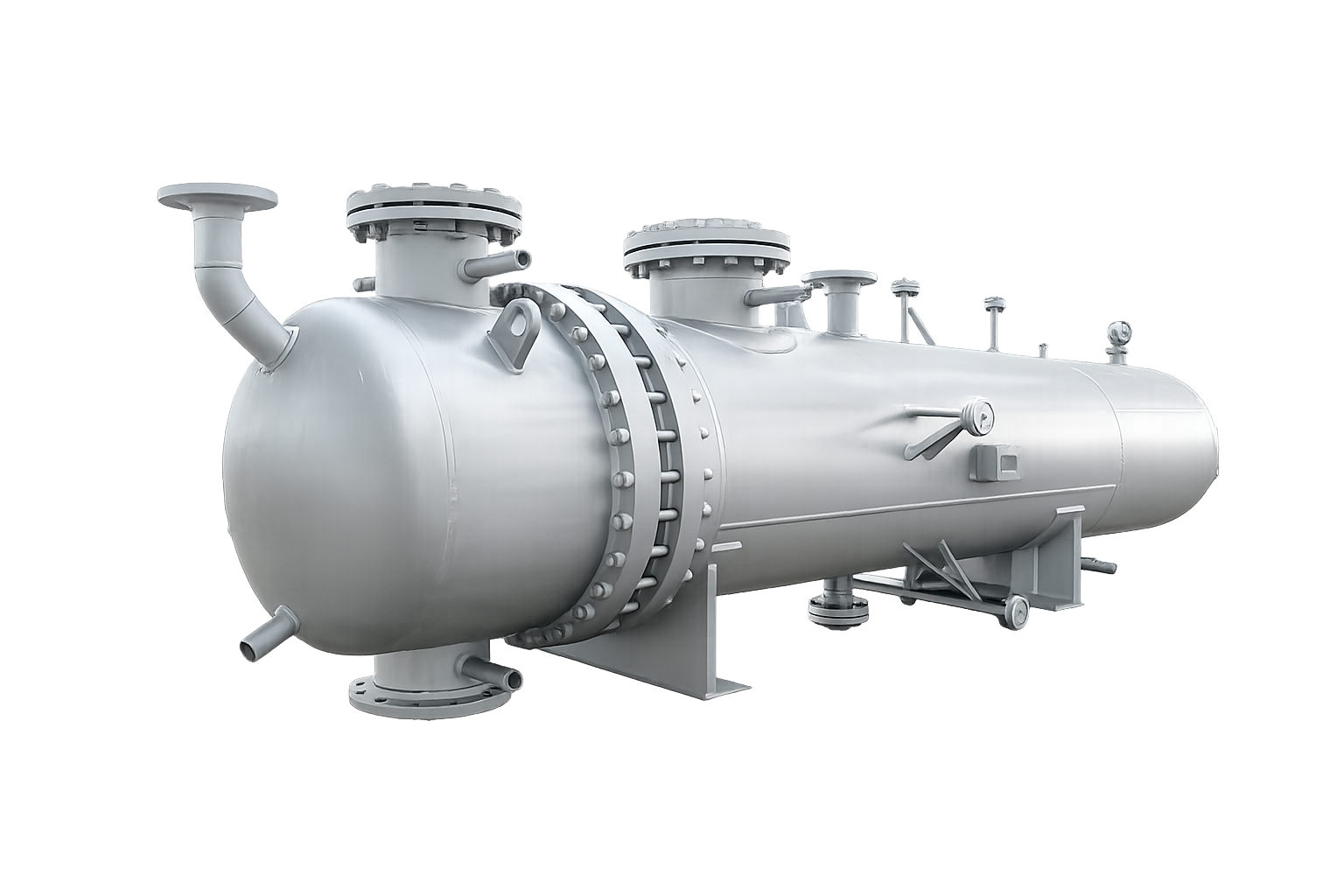 Heat Exchanger
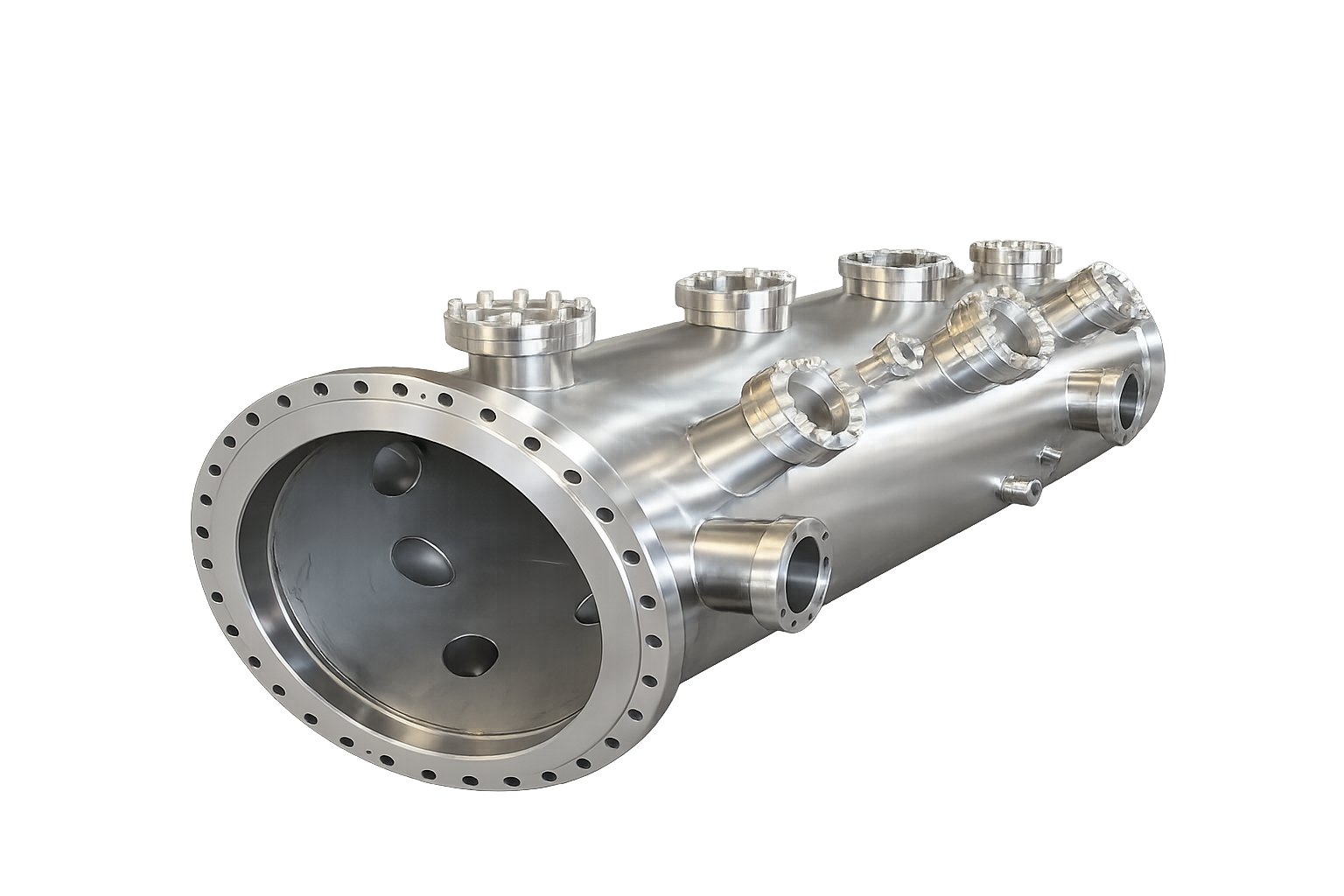
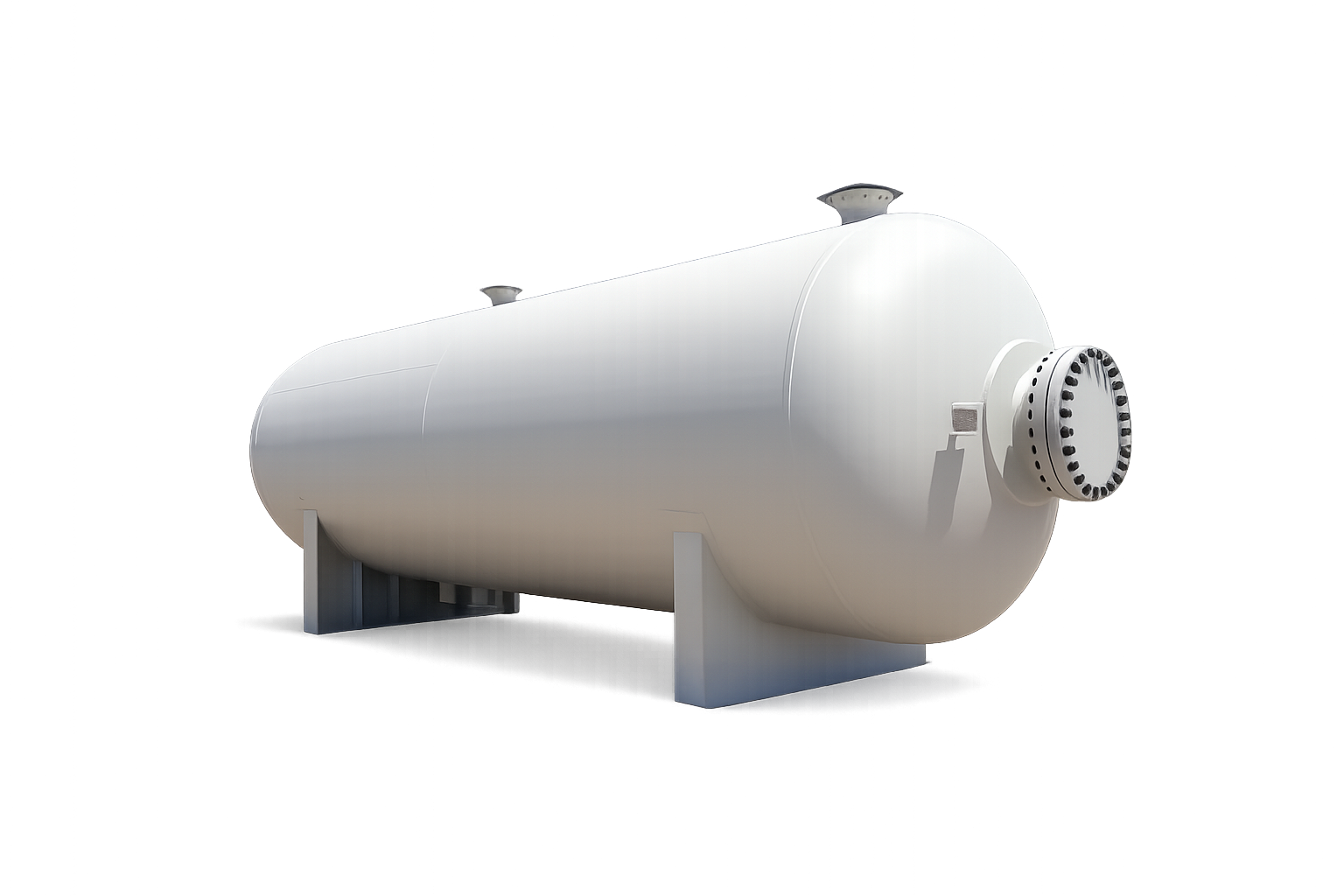 Pressure Vessel
 Silo
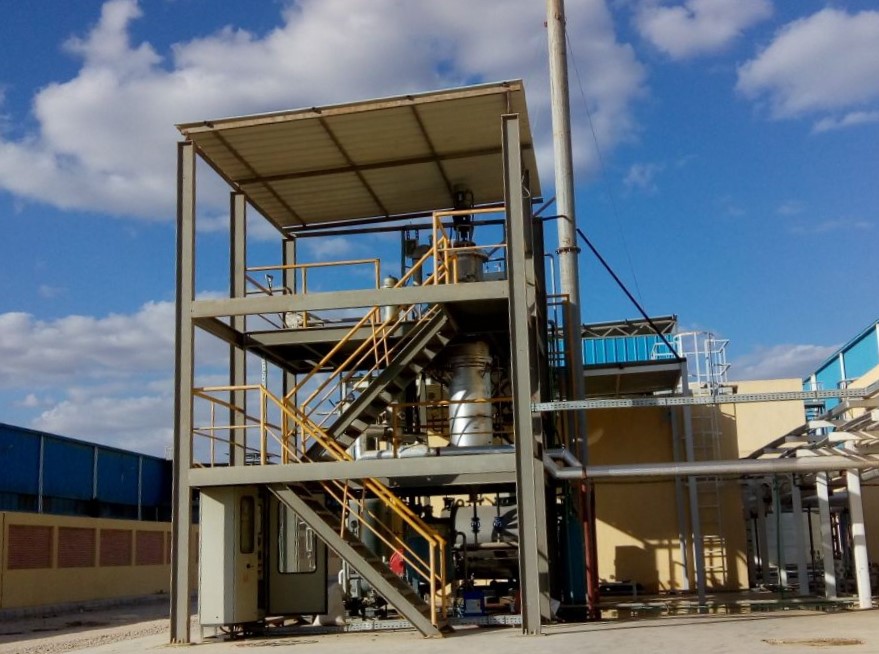
 Solvent Stripper
 Pharma Equipments