A complete guide to skid-mounted process equipment: what a skid is, why modular pre-assembled units cut site time, chemical, oil and gas, utility, water-treatment and GMP pharma skids, design, testing and how to order one.

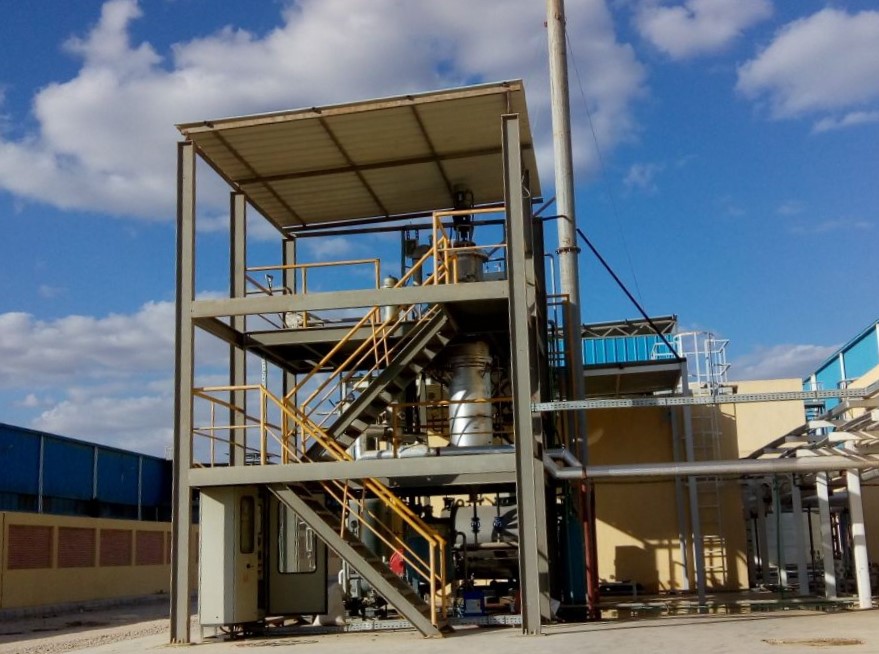
Skid-mounted process equipment is a complete process unit, such as pumps, vessels, heat exchangers, piping, valves, instruments and controls, pre-assembled and tested on a steel frame (the skid) in the factory, so it can be delivered, placed and connected on site with minimum work. It reduces installation time, site welding and commissioning risk.
A skid is a structural steel base frame on which process equipment is assembled and piped together. Skid-mounted process equipment (also called a skid unit, packaged plant, modular plant or skid package) is a process system built, pre-assembled and tested as a single transportable module, not as separate pieces erected on site. Everything the unit needs to do its job, whether that is metering a chemical, separating gas from liquid, transferring fluid or heating water, is mounted on the frame and connected.
On arrival the customer places the skid on its foundation, connects the inlet, outlet and utilities, and starts commissioning. Most of the welding, piping, wiring and testing has already been done under controlled workshop conditions. For companies with tight shutdown windows, remote sites or limited site labour, this is a major advantage.
| Benefit | Why it matters |
|---|---|
| Faster installation | Most work is done in the factory; site work reduces to placement and tie-ins |
| Better quality | Workshop welding, NDT and testing under controlled conditions |
| Factory acceptance test (FAT) | Unit is run and checked before dispatch, so surprises are found early |
| Less site risk | Less hot work, fewer subcontractors and less disruption to the operating plant |
| Single point of responsibility | One supplier for design, fabrication, assembly and documentation |
| Relocatable | Skids can be moved or reused when processes change |
| Compact footprint | Equipment is arranged efficiently in a single frame |

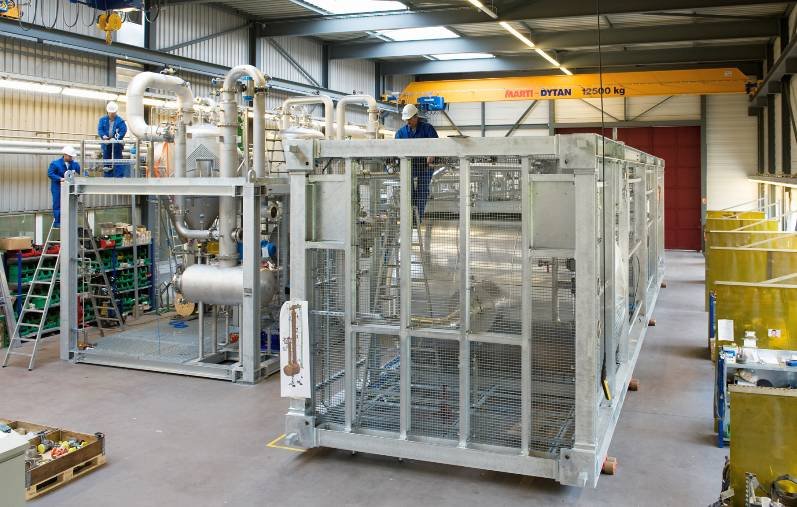
Dosing, mixing, separation, filtration and reaction skids for chemical and pharma plants, built to the customer's PFD and P&ID.
Compression, separation, metering, dehydration and LPG handling skids, using pressure vessels and exchangers built to ASME standards.
Fluid-transfer, heating, cleaning and gas-generation skids that supply a plant's utilities.
Reverse osmosis (RO), ETP (effluent treatment plant) and STP (sewage treatment plant) skids.
Electro-polished SS 316L vessels, zero dead-leg piping, clean-in-place (CIP) and sterilise-in-place (SIP) capability, and IQ/OQ/PQ documentation, on carbon steel or stainless steel frames.
Compact, relocatable units for development work, small-scale power and laboratory use.
| Skid | Typical contents | Used in |
|---|---|---|
| Chemical dosing skid | Day tank, metering pumps, valves, flow meter, PLC | Chemical, water and utility plants |
| Gas separation / metering skid | Separator vessel, metering run, instruments, relief valves | Oil and gas |
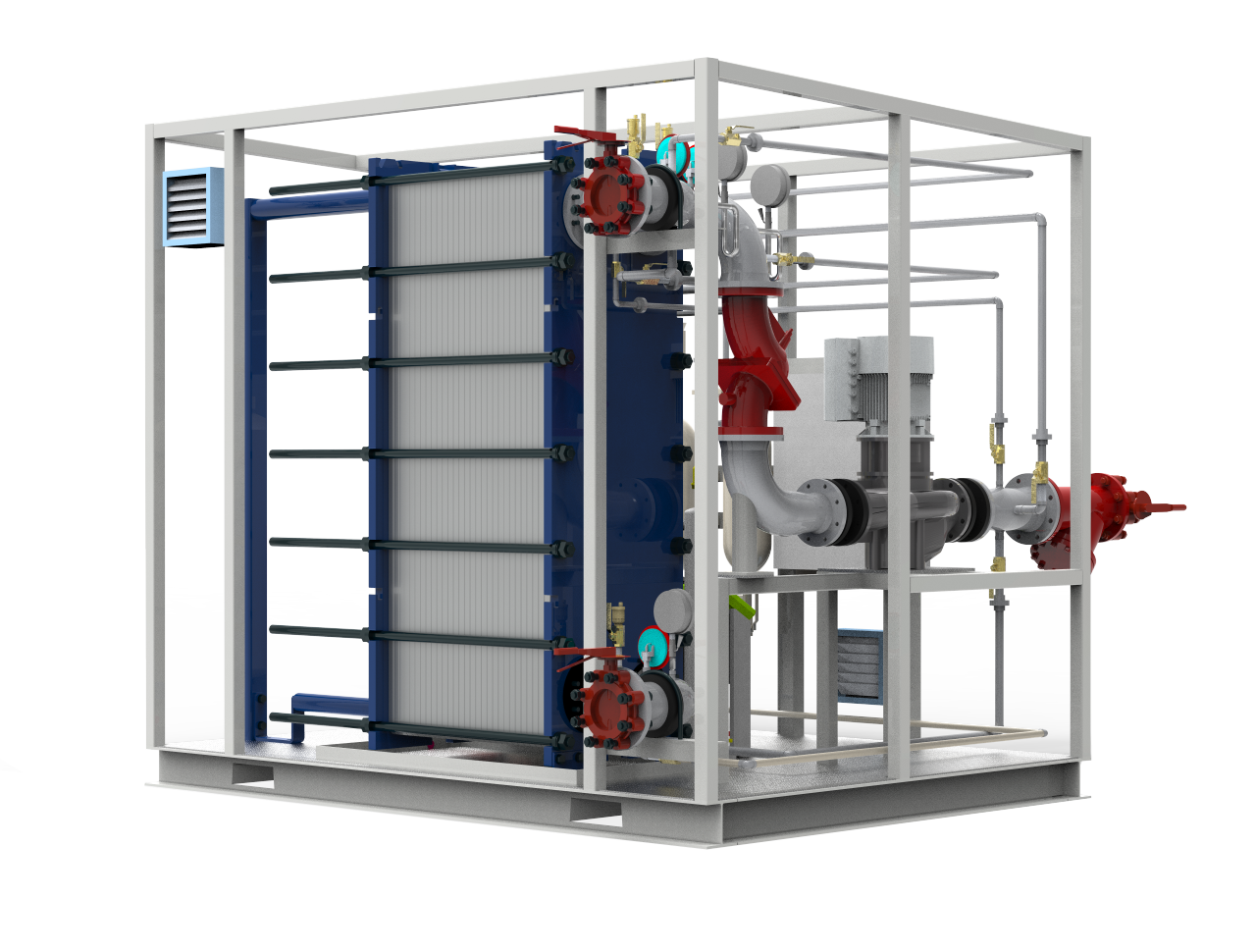
| Heating or thermic-fluid skid | Heat exchanger, circulation pump, expansion tank, controls | Reactors and process heating |
| Solvent transfer skid | Receiver, pumps, filters, piping, earthing | Pharma and chemical |
| RO / ETP skid | Filters, membranes or reactors, pumps, instruments | Water treatment |
| GMP purified-water or process skid | SS 316L vessels, orbital-welded piping, CIP/SIP | Pharma and biotech |
Every skid is configured to the process. The table shows typical contents only; the final scope comes from your flow sheet and specification.
Most modern skids are supplied with a control panel based on a programmable logic controller (PLC). The PLC reads signals from transmitters, switches and flow meters, runs the sequence logic, and drives pumps, valves and heaters. An operator panel (HMI) lets the plant team start, stop and monitor the skid, and alarms and interlocks protect the equipment from abnormal conditions. Communication ports allow the skid to connect to the plant's main control system.
A good automation design for a skid keeps the logic simple, includes manual override for maintenance, and documents the cause-and-effect matrix so operators know what each alarm means. Electrical equipment is selected for the area classification of the plant, such as flameproof components in areas where flammable vapour may be present.
Pharmaceutical customers must prove that equipment does what it is meant to do. The usual three qualification stages are:
A manufacturer that provides material certificates, finish reports, weld records and test documentation with the skid makes IQ much quicker. This is why our GMP skids are delivered with a full documentation set.
Skid frames are fabricated in carbon steel with epoxy or PU paint, or in stainless steel for hygienic and corrosive environments. Process wetted parts follow the same material choices as our other equipment: SS 304, 316L, duplex and exotic alloys where needed. Pressure equipment is built to ASME Section VIII Div 1 and piping to ASME B31.3, with welders and procedures qualified to ASME Section IX and quality managed under ISO 9001:2015 and ISO 3834. Our QC includes NDT (RT, UT, PT, MT), PMI and full traceability through MTRs and weld records.
For modular projects that combine vessels, columns and exchangers, our design team coordinates the interfaces so the units arrive ready to connect. Related pages: reactors, distillation columns and solvent strippers.
Skid cost depends mainly on the materials of construction, the number and size of equipment items, the amount of piping and instrumentation, the level of automation, the codes and inspections required and the documentation needed. Delivery time depends on engineering approval cycles, availability of bought-out items such as pumps and instruments, and the testing scope. A complete, clear specification at enquiry stage shortens both the quotation and the delivery.
Before dispatch, welds are inspected by NDT, pressure parts are hydrostatically tested, instruments are checked, and the control panel is powered and functionally tested. A factory acceptance test (FAT) lets the customer witness operation on water or a simulated fluid. On site, the team positions the skid, connects pipework and utilities, and carries out site acceptance and start-up. Because most of the work is already proven, commissioning is shorter and less risky.
| Aspect | Skid-mounted | Site-built (stick-built) |
|---|---|---|
| Site construction time | Short | Long |
| Quality control | Workshop conditions, FAT | Dependent on site conditions |
| Cost | Lower total installed cost for small to medium plants | Can be cheaper per unit for very large plants |
| Flexibility | Easier to relocate or expand by adding skids | Fixed once built |
| Safety | Less site hot work | More site hot work and scaffolding |
Skids are used across chemical, pharma, oil and gas, petrochemical, fertilizer, agro and utility sectors. Creative Engineering serves Bharuch, Vadodara and Mumbai and exports to the UAE, Saudi Arabia, Nigeria, the UK, the USA and Australia. To discuss a skid for your plant, send your PFD or P&ID through the contact page. For custom needs see customize equipment.
It is a complete process system, with equipment, piping, valves, instruments and controls, assembled and tested on a steel frame in the factory and delivered as a single module.
Faster installation, better workshop quality, factory acceptance testing, lower site risk, a single supplier and the ability to relocate or add skids.
A GMP skid is a pharma-grade skid with electro-polished SS 316L vessels, zero dead-leg piping, CIP/SIP capability and validation documentation (IQ/OQ/PQ).
Factory acceptance test, a functional test of the skid at the manufacturer's works witnessed by the customer before dispatch.
Yes. Skids can include a PLC control panel and instruments for automatic operation.
Skid size is limited by road transport, so large plants are built as several skids joined on site.
Creative Engineering of Ankleshwar designs and manufactures process skids for chemical, oil and gas, utility, water treatment and GMP pharma applications.
Because piping, wiring and testing are completed in the workshop, site work is mainly placement, tie-in to utilities and commissioning. The time depends on skid size and plant readiness, but it is far shorter than building the same system on site.
Creative Engineering, Ankleshwar, Gujarat designs and manufactures process equipment to ASME and IBR codes. Share your drawing or process data and our team will respond with a technical offer.



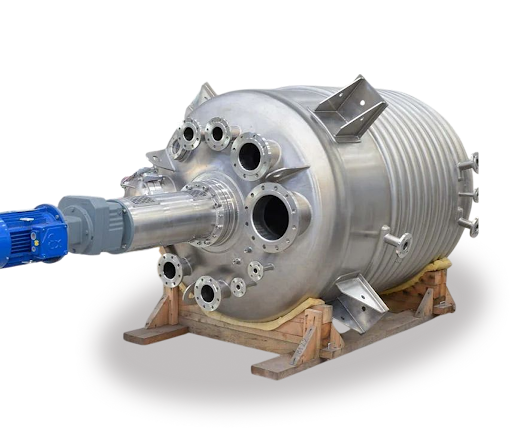 Reactor
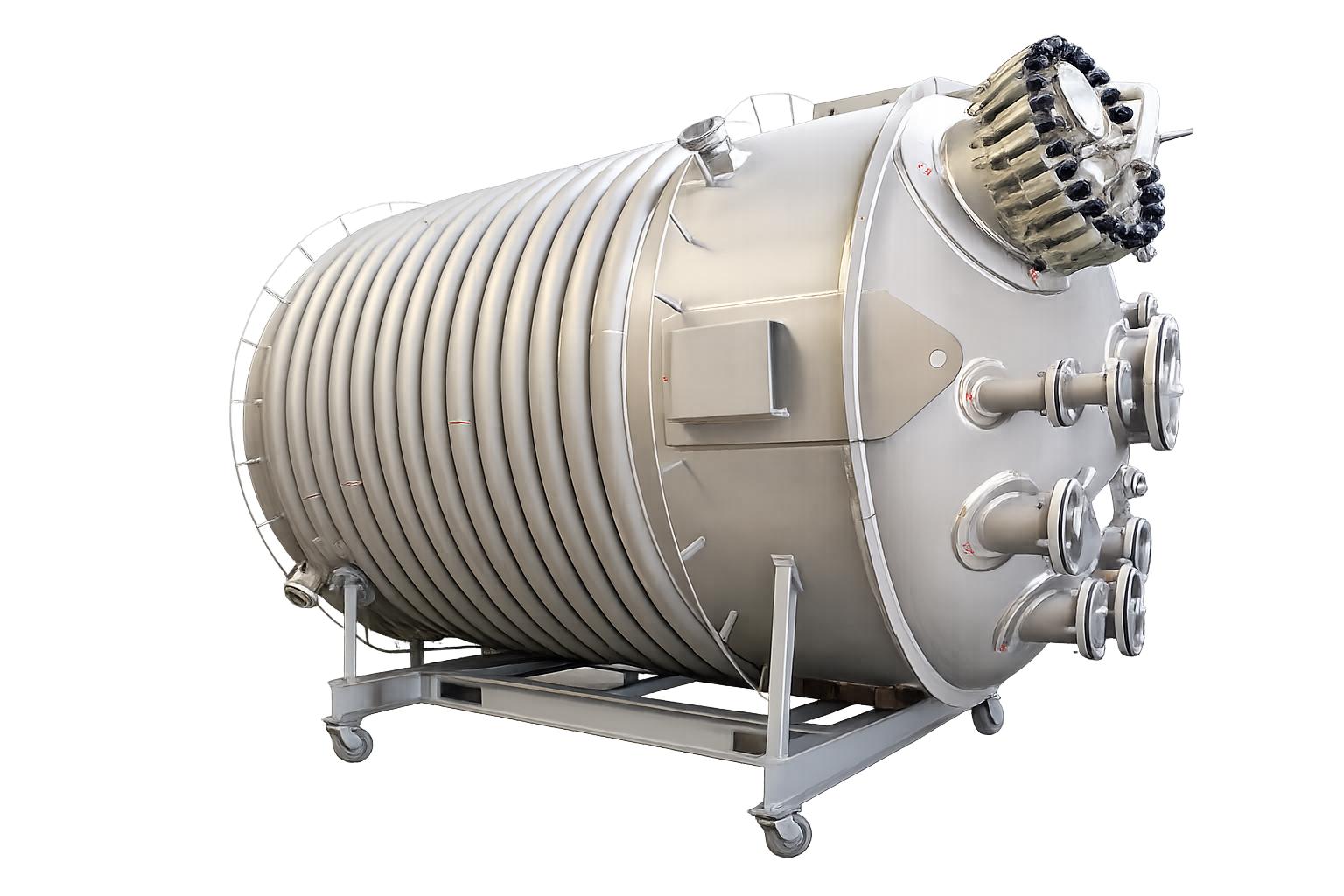 High Pressure Vessel
 Skid Equipment
 Receiver
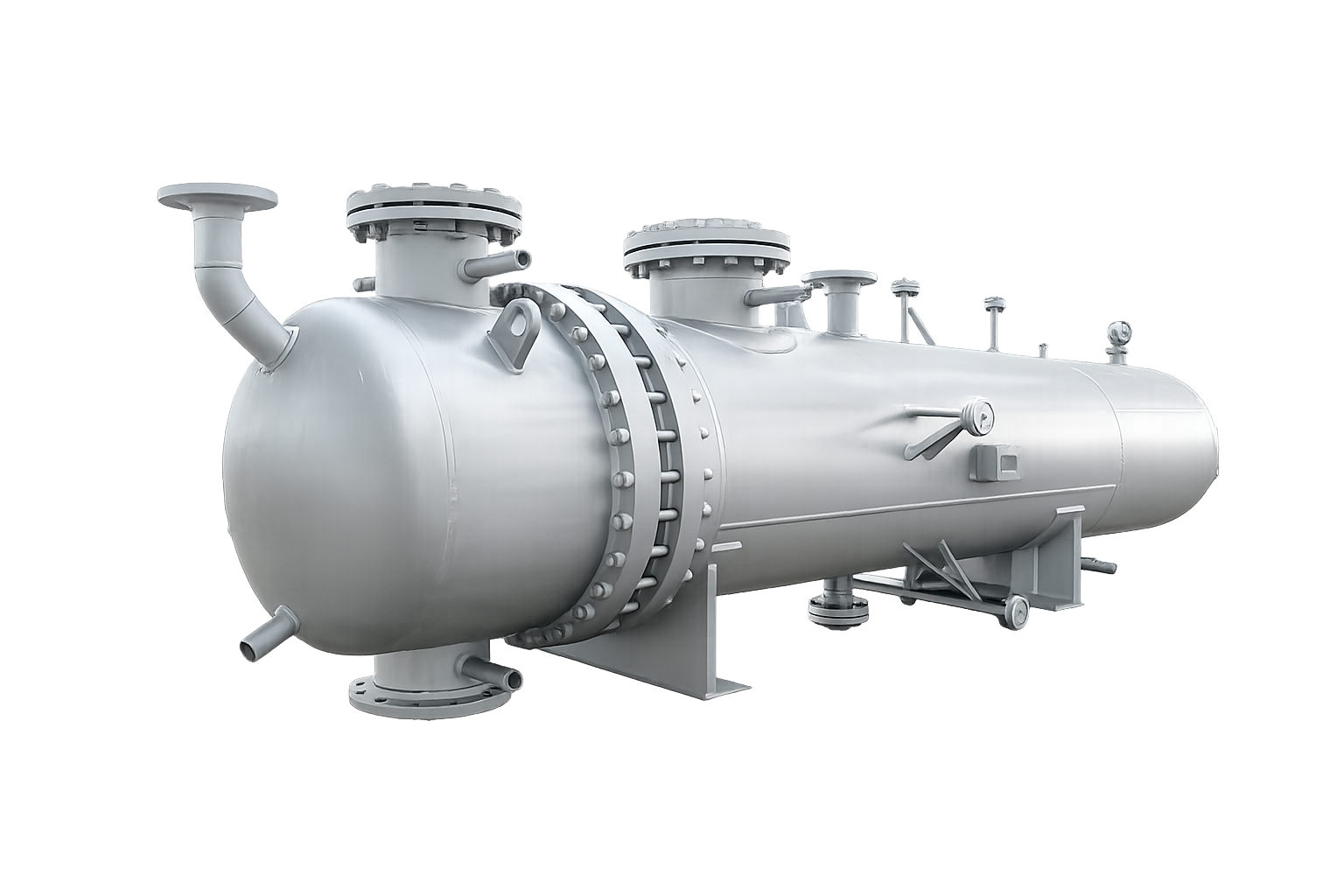 Heat Exchanger
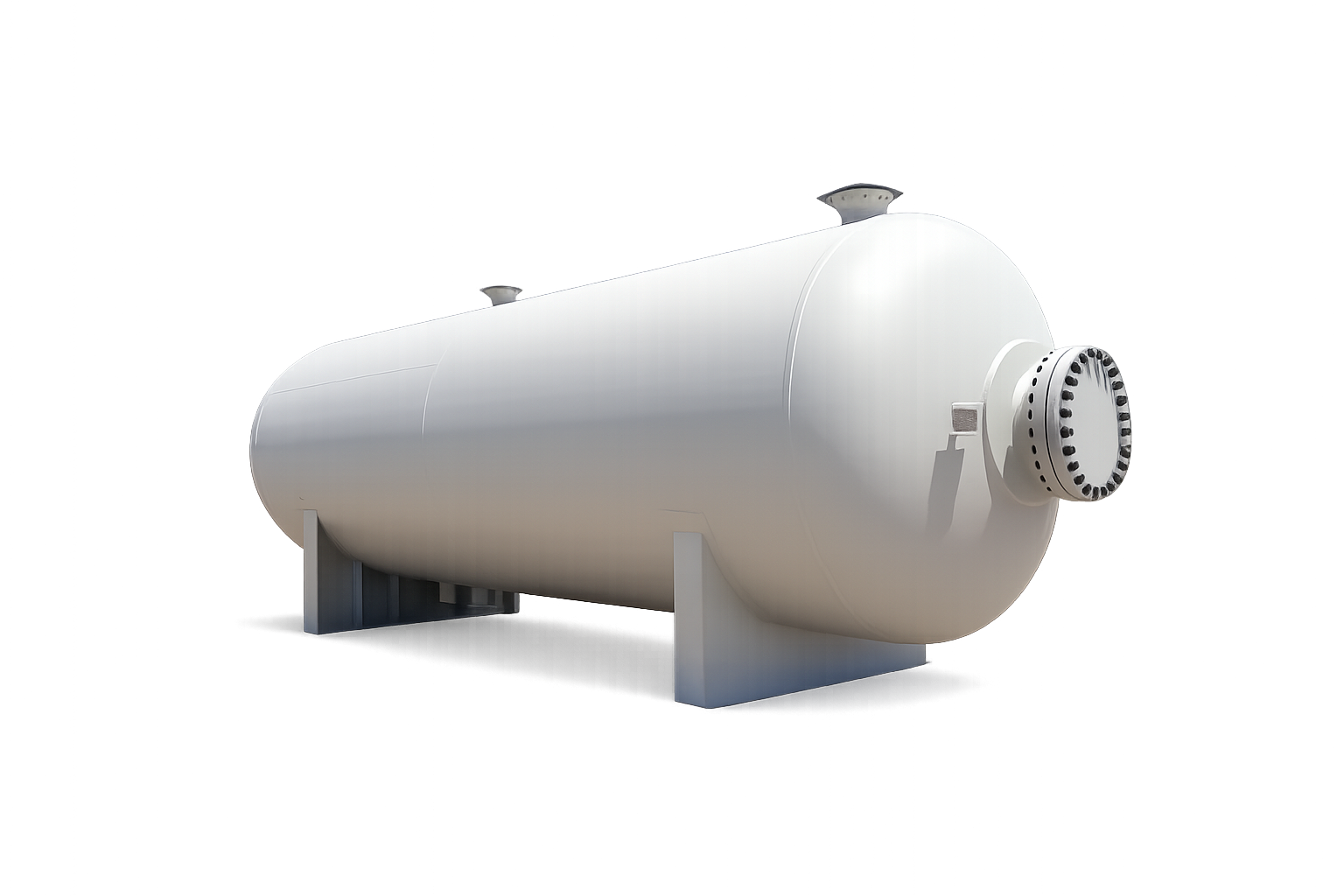 Pressure Vessel
 Silo
 Solvent Stripper
 Pharma Equipments