How high-pressure vessels are designed and built: heavy-wall fabrication, ASME Section VIII, materials for sour gas and hydrogen service, cryogenic vessels, testing, and how to specify one when you request a quotation.
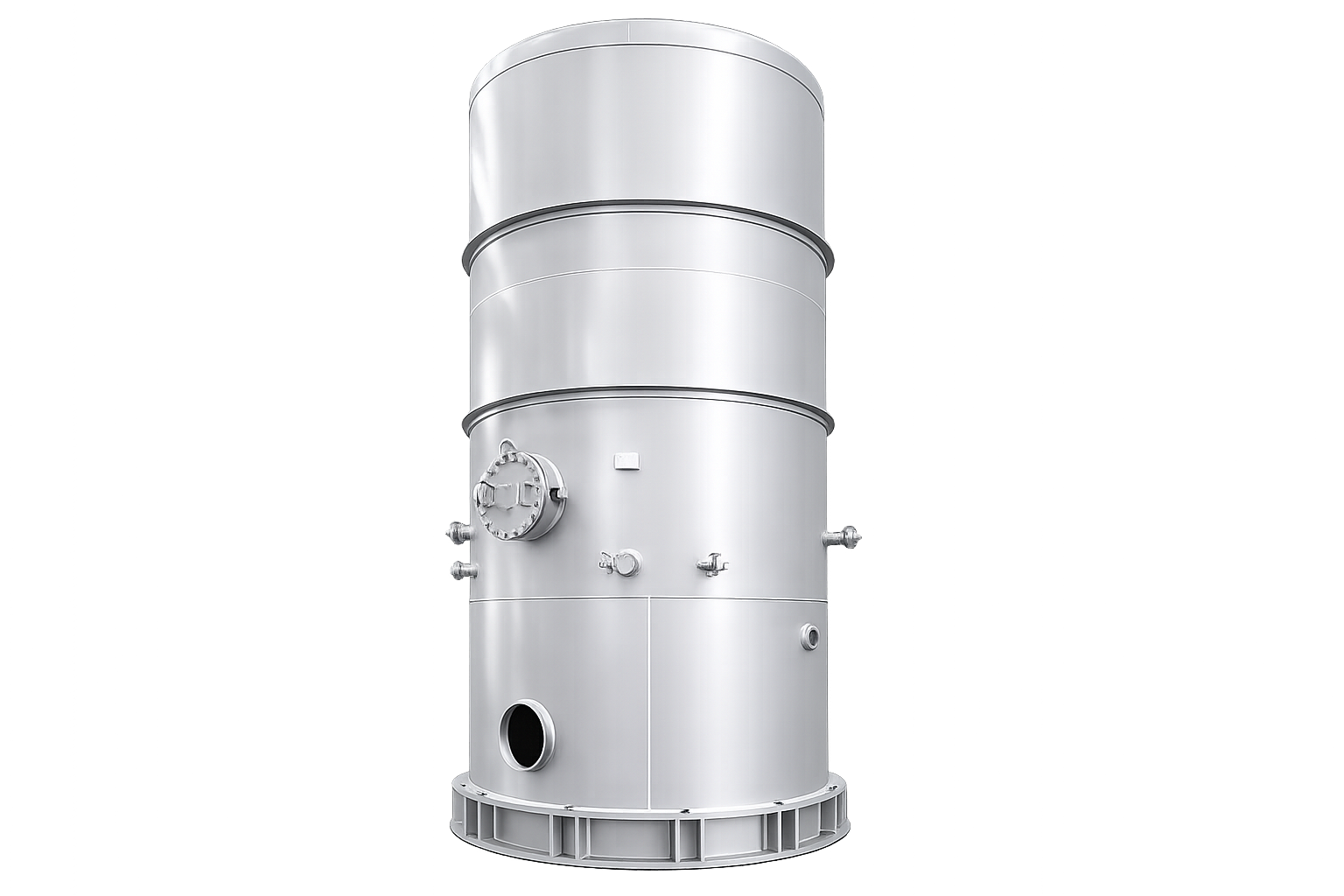
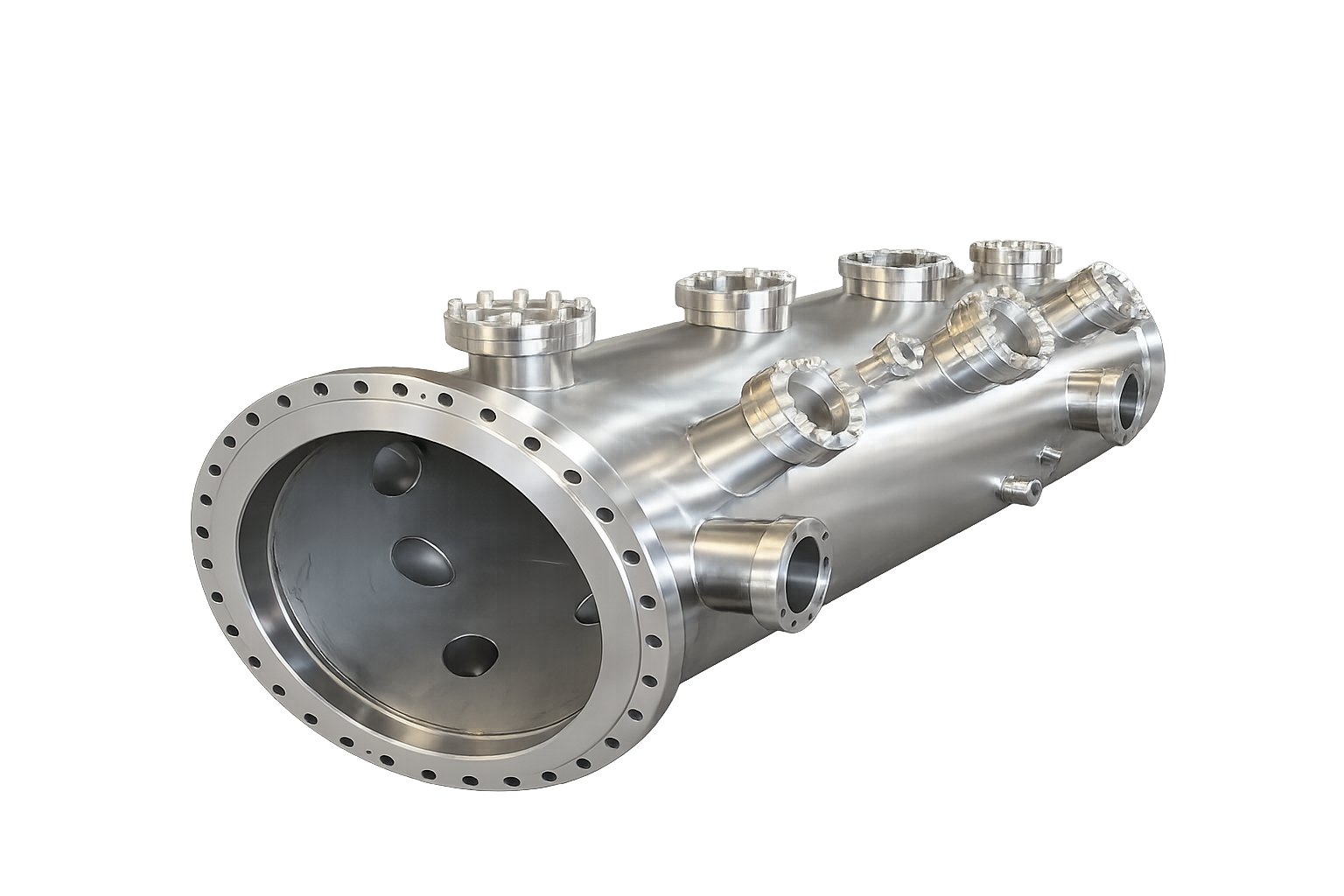
A high-pressure vessel is a closed, heavy-wall container designed to hold gas or liquid at pressures well above atmospheric, in the process industries usually under ASME Section VIII Division 1. It is built from thick pressure-grade plate (carbon steel, stainless steel or alloy), fabricated with qualified welding, 100% NDT where specified, and proof-tested with a hydrostatic test before dispatch.
A high-pressure vessel is a sealed container engineered to hold gases or liquids at an internal pressure far above the surrounding atmosphere, safely and for many years. Compared with an ordinary pressure vessel, a high-pressure vessel has a thicker shell, heavier nozzle reinforcement, stricter material selection and more inspection, because the stored energy in the compressed fluid is much larger and the consequence of a failure is more severe.
There is no single legal line where a vessel becomes "high pressure". In everyday engineering the term is used for vessels operating where wall thickness, weld quality and testing become the dominant design concerns, such as hydrogenation autoclaves, gas receivers, separators at refinery pressure and cryogenic storage. Design pressure, design temperature, fluid and location together define the duty, and the code (ASME Section VIII Div 1 in most Indian process plants) defines the rules.
Creative Engineering fabricates heavy-wall high-pressure vessels in Ankleshwar, Gujarat as made-to-order equipment with full documentation, for refineries, petrochemical plants and specialty chemical manufacturers.
Design starts with a process data sheet and ends with a stamped, tested vessel. The main steps are:
Higher design pressure means thicker plate, and thick plate needs more careful welding control, possibly pre-heat and post-weld heat treatment (PWHT) to relieve residual stress. This is why heavy-wall fabrication needs a shop with qualified procedures and experienced welders rather than just a rolling machine.

Orientation and function define the main types.
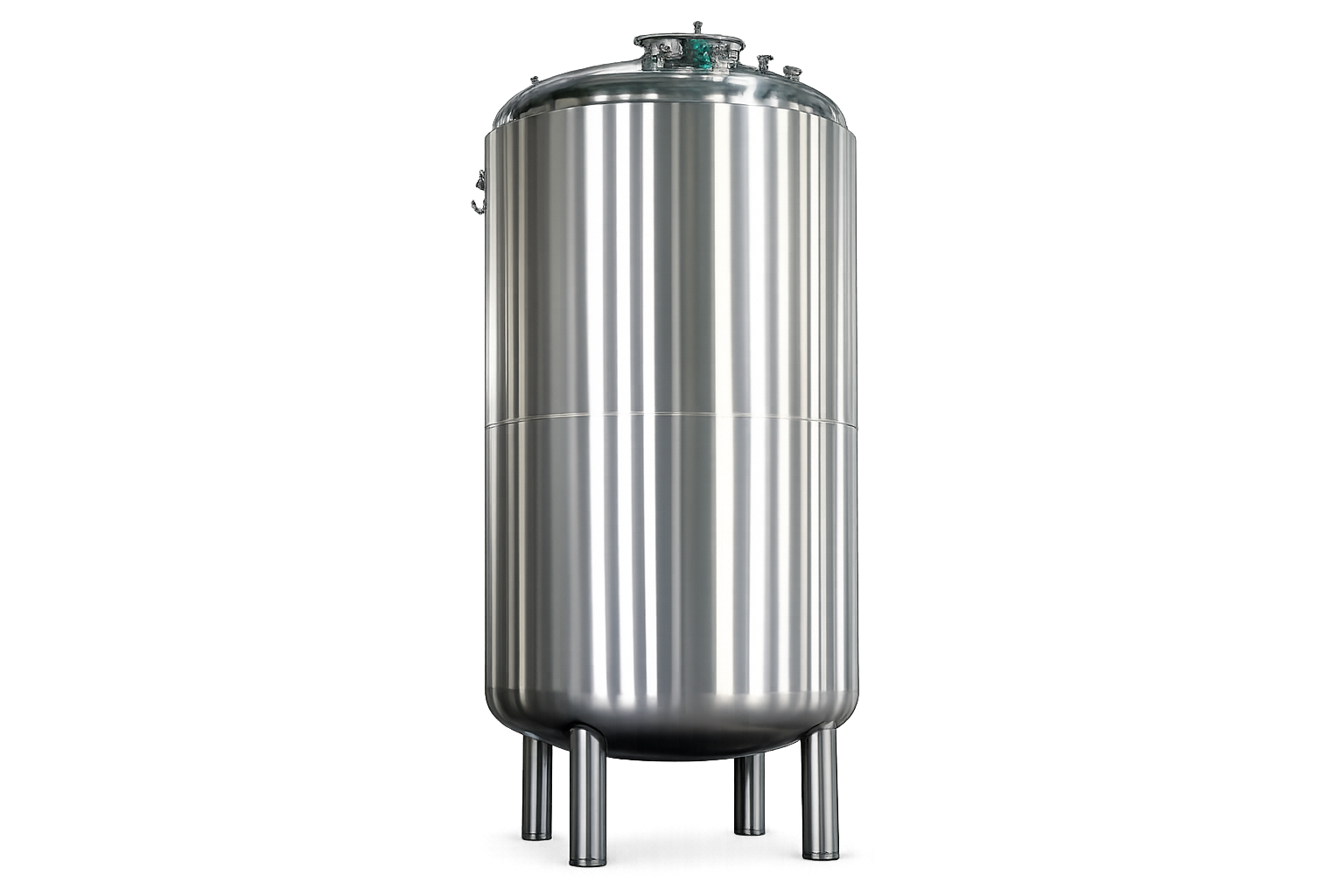
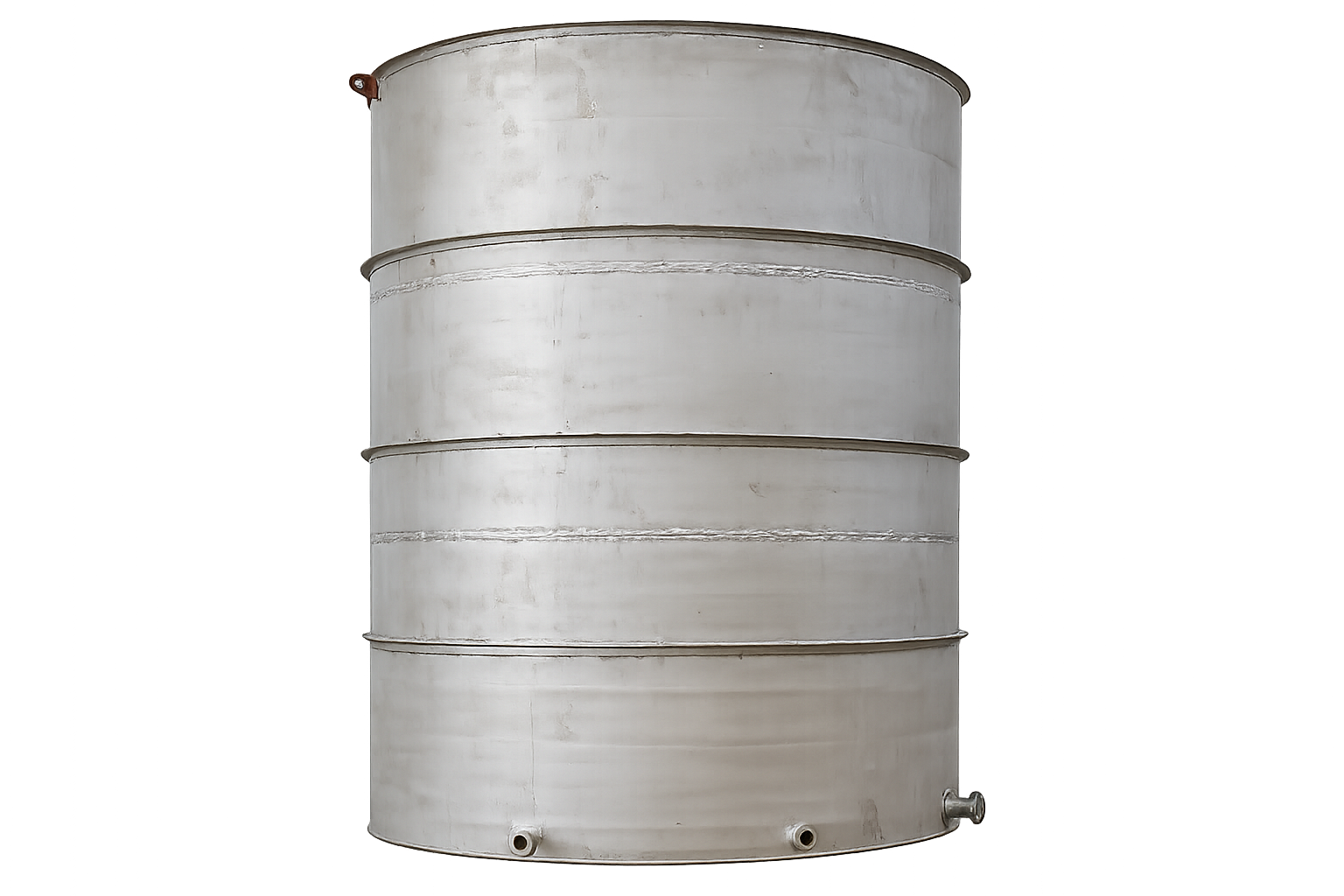
Supported on a skirt or legs and used for separators, knock-out drums, flash vessels and accumulators, where gravity helps separate liquid from vapour. Vertical vessels take up less floor area and are common in refinery and petrochemical units.
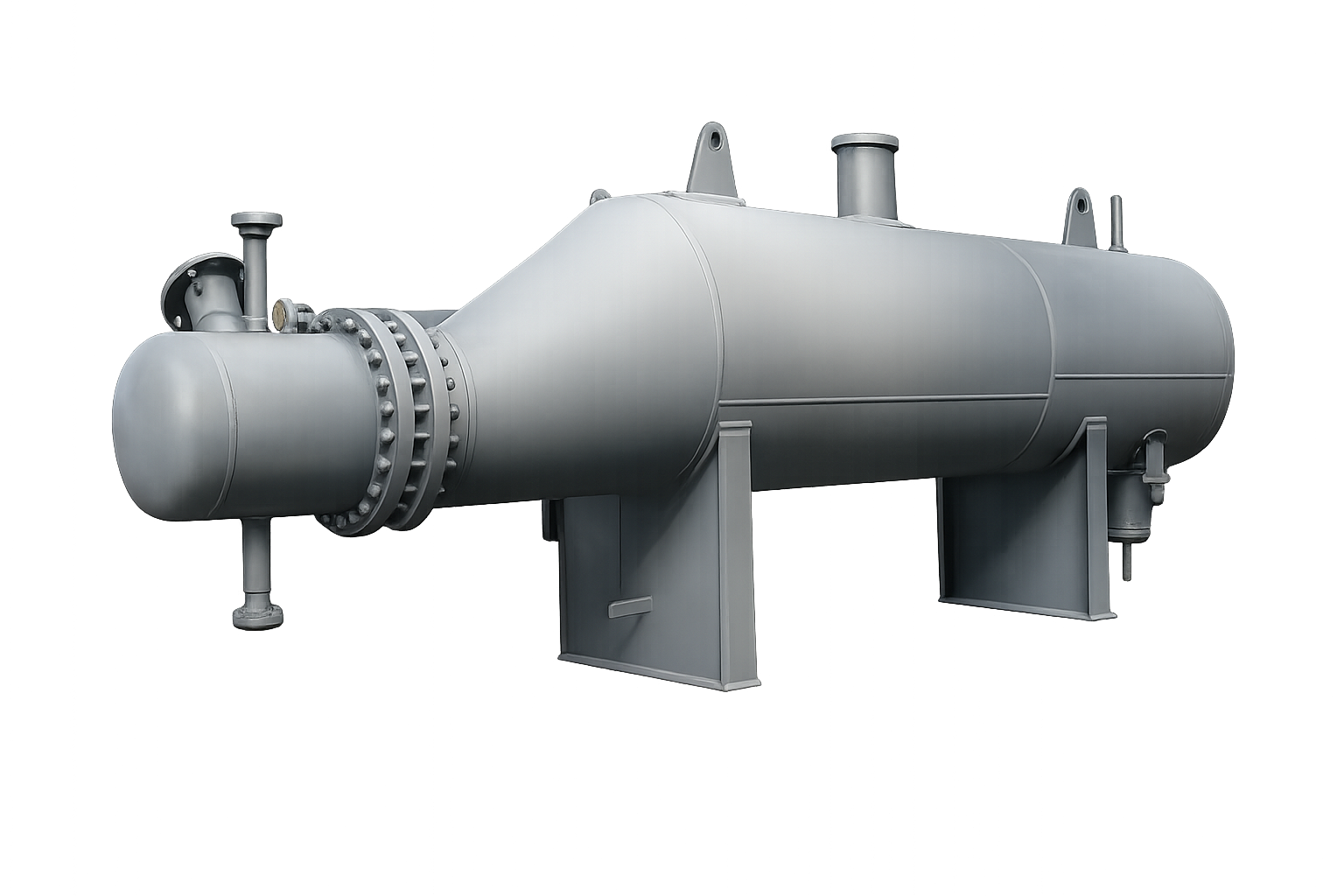
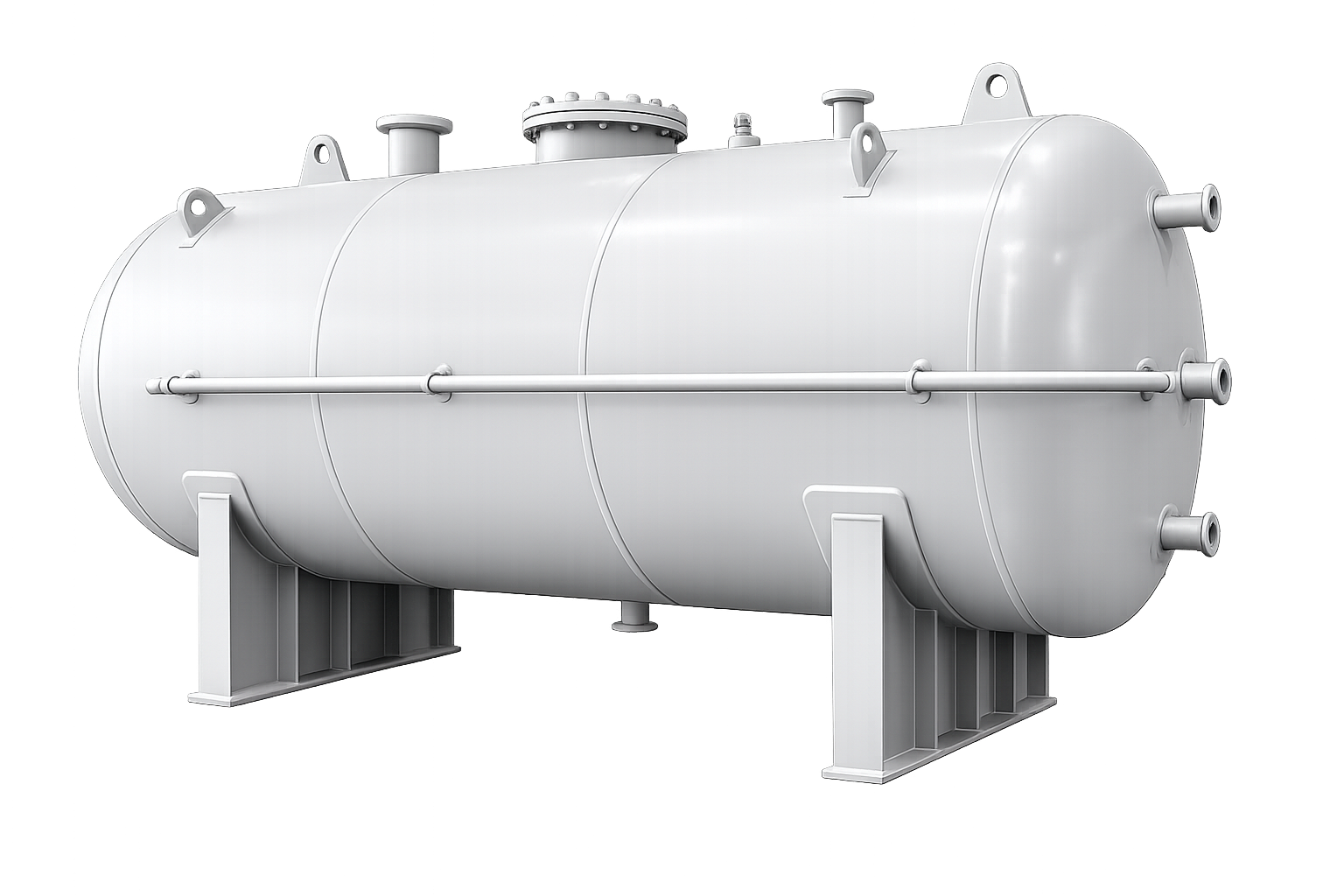
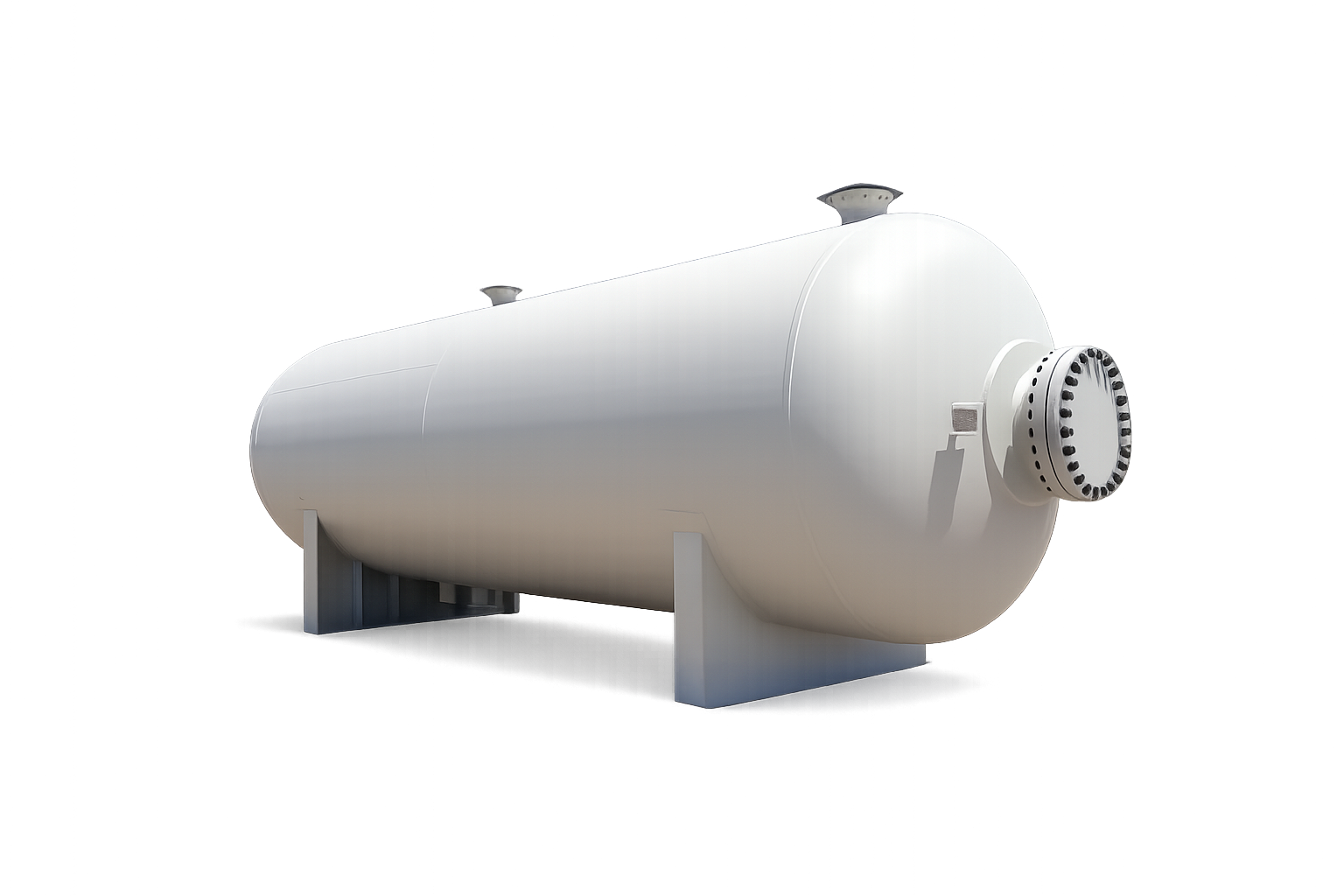
Supported on saddles and used for surge drums, condensate receivers, slug catchers and two-phase separators. Horizontal geometry gives a larger liquid surface and longer residence time, which helps separation and surge volume.
Vessels for liquefied gases, typically below -100 °C, use materials that stay tough at very low temperature (such as austenitic stainless steel) and vacuum or perlite insulation to limit heat leak.
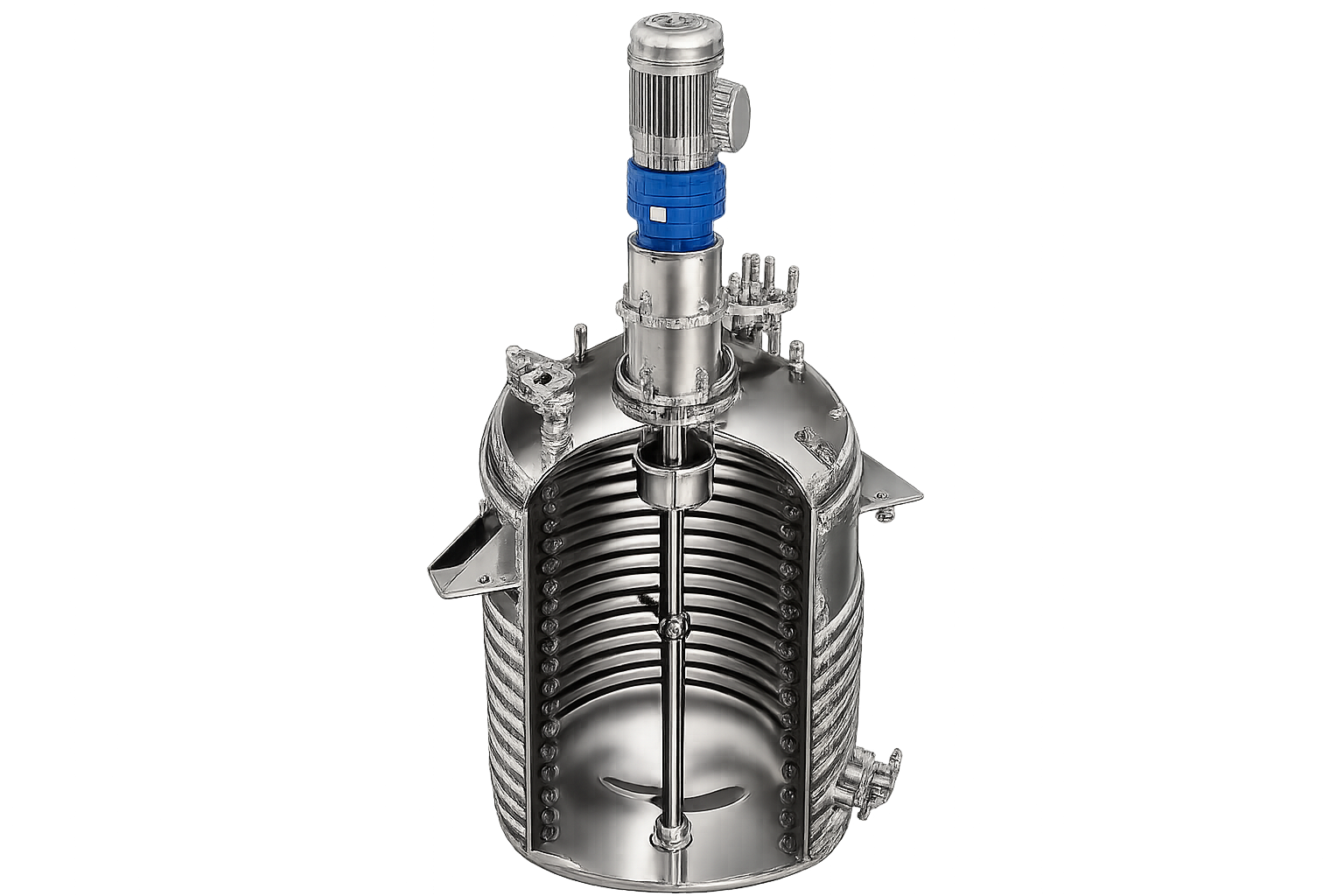
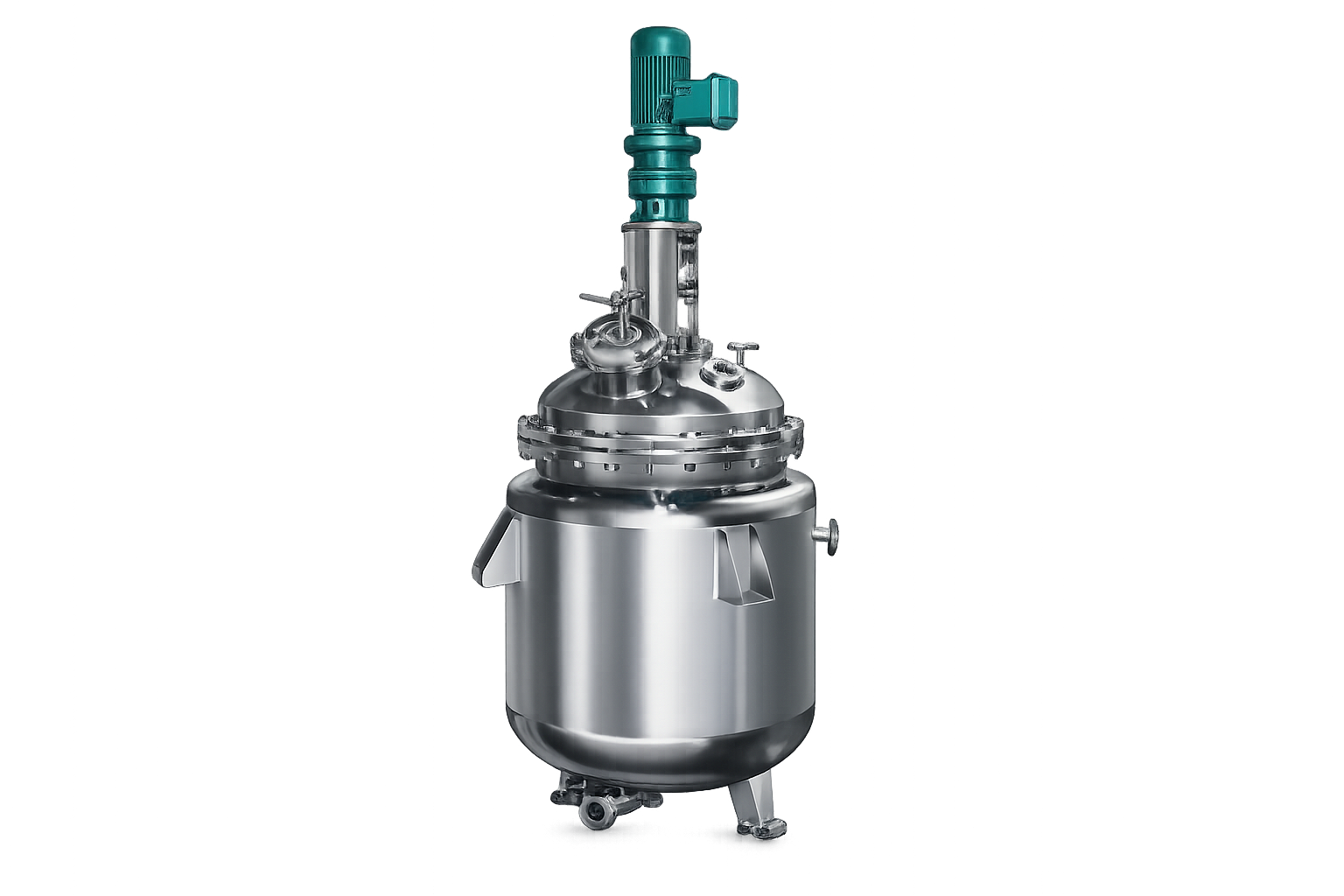
Heavy-wall reactors with mechanical seals and agitators for high-pressure reactions such as hydrogenation. These are covered in more detail in our guide on what is a reactor.
| Type | Typical service | Support |
|---|---|---|
| Vertical separator / knock-out drum | Gas-liquid separation, flash | Skirt or legs |
| Horizontal surge drum / receiver | Surge volume, condensate collection | Saddles |
| Slug catcher | Handling liquid slugs from pipelines | Saddles |
| Cryogenic vessel | Liquefied gas storage | Legs or saddles, insulated |
| Reactor / autoclave | High-pressure chemical reaction | Lugs, legs or skirt |
Material choice balances strength, corrosion resistance, toughness and cost. Creative Engineering works with:
Sour gas and hydrogen service need special attention. Hydrogen sulphide can cause sulphide stress cracking in hard steels, and hydrogen at temperature can damage some carbon steels, so these duties use controlled-hardness materials or corrosion-resistant alloys. Chloride-rich fluids attack ordinary stainless steel, which is why Duplex and higher alloys are used in these services.
A pressure vessel is more than a shell. Typical items include:
Quality in a high-pressure vessel is built in at every step:
Customers receive a quality dossier: design calculations, drawings, MTCs, welding records, NDT reports, hydro-test certificate and the code data report. Creative Engineering is an ASME U and R stamp holder, NB registered and IBR approved, with ISO 3834 welding quality certification and NDT Level II engineers.
Most failures and field problems in pressure equipment trace back to a short list of causes. Knowing them helps you write a better specification.
| Problem | Cause | How it is prevented |
|---|---|---|
| Corrosion and pitting | Wrong material for the fluid, chlorides, acids or H2S | Correct MOC (316L, Duplex, alloy or lining), corrosion allowance, passivation |
| Weld cracking | Poor procedure, high restraint, thick sections | Qualified WPS, pre-heat, PWHT, NDT of welds |
| Fatigue cracking | Pressure or temperature cycling at nozzles and supports | Smooth transitions, reinforcement, fatigue-aware design |
| Brittle fracture | Material not tough at the lowest operating temperature | Impact-tested material and correct MDMT, such as SA-333 or stainless |
| Overpressure | Blocked outlet, runaway reaction, fire | Properly sized relief valves and rupture discs |
| Leaking flanges | Wrong gasket, bolt load or flange rating | Rated flanges (ASME B16.5), correct gasket and torque procedure |
A periodic inspection plan (visual, thickness measurement, and where required hydro-test) keeps a vessel in service safely. Creative Engineering also supports customers with preventive maintenance programs and a round-the-clock technical helpdesk for equipment it has supplied.
The receiver vessel, reboiler and distillation column are related pressure-containing equipment that often sit alongside high-pressure vessels in the same unit.
Send the following to your fabricator for a fast, accurate offer:
Creative Engineering responds to enquiries within 24 hours. Share your data sheet through the contact page or email sales@creative-engineering.in, or call +91 98251 38460.
A high-pressure vessel is a heavy-wall container designed to hold gas or liquid at pressure well above atmospheric. In process plants it is normally designed, fabricated, inspected and tested to ASME Section VIII Division 1.
Both hold fluid under pressure. A high-pressure vessel has a thicker shell, stronger nozzle reinforcement and more inspection because the stored energy and risk are higher. The difference is one of degree rather than a single legal threshold.
ASME Section VIII Division 1 is the most widely used code, with ASME Section IX for welding. IBR applies to steam and boiler-related duty, and TEMA applies to shell-and-tube exchangers.
Carbon steel plate such as SA 516 Gr.60 or Gr.70 is common. Stainless steel (304, 316L), Duplex, Super Duplex, Inconel, Hastelloy or titanium is used where corrosion, sour gas, chlorides or cryogenic temperature demand it.
It is tested with non-destructive examination of welds (RT, UT, PT, MT as specified) and a hydrostatic pressure test at a code-defined multiple of design pressure, followed by documentation in a quality dossier.
A cryogenic vessel stores liquefied gases, typically below -100 degrees Celsius, using low-temperature-tough materials such as austenitic stainless steel and vacuum or perlite insulation.
Creative Engineering of Ankleshwar, Gujarat is an ASME U and R stamp holder, IBR approved and ISO 9001:2015 certified manufacturer of pressure vessels and high-pressure vessels, serving Bharuch, Vadodara, Ahmedabad, Mumbai and export customers.
Creative Engineering, Ankleshwar, Gujarat designs and manufactures process equipment to ASME and IBR codes. Share your drawing or process data and our team will respond with a technical offer.




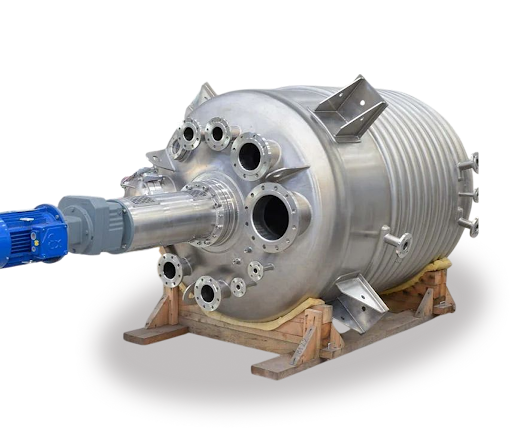 Reactor
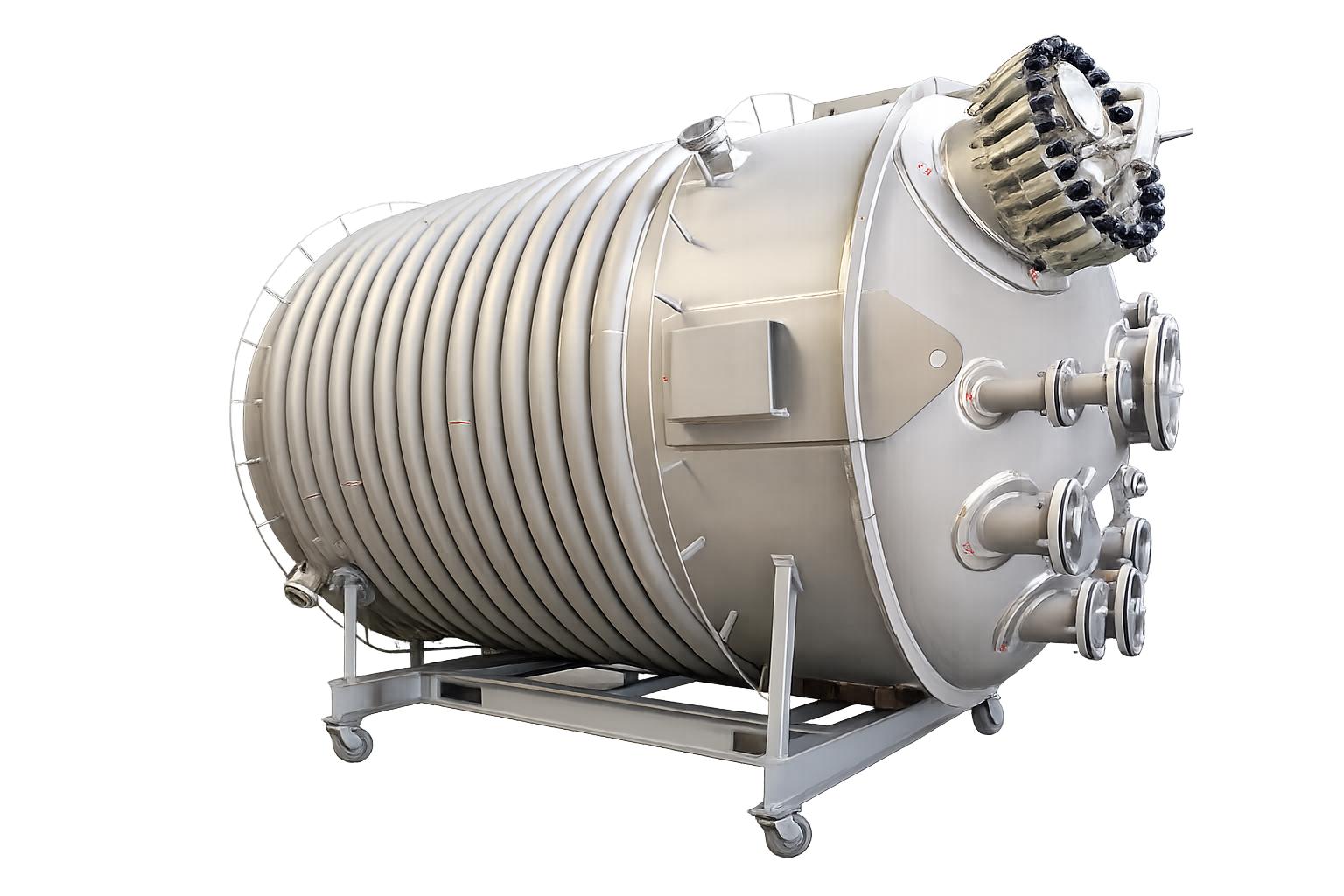 High Pressure Vessel
 Skid Equipment
 Receiver
 Heat Exchanger
 Pressure Vessel
 Silo
 Solvent Stripper
 Pharma Equipments