Why reactor prices vary so widely: material grade, volume, pressure, jacket type, agitator and seal, finish, NDT and documentation, plus a quotation checklist and practical ways to reduce cost without compromising safety.

The price of an industrial reactor depends mainly on its material of construction, volume and wall thickness, design pressure, heat-transfer arrangement (jacket, limpet or coil), agitator and mechanical seal, surface finish (such as electro-polished GMP), NDT and documentation scope, and delivery terms. There is no fixed price list; an accurate quote needs a complete data sheet.
Buyers often ask for the "price of a 5000 litre reactor" as if it were a catalogue item. In reality, an industrial reactor is built to order from a specification, and two reactors of the same volume can differ in cost by several times. A 5 KL carbon-steel jacketed reactor for a non-corrosive product is a very different object from a 5 KL SS 316L GMP reactor with a limpet coil, a double mechanical seal, an electro-polished interior and a full validation dossier.
For this reason serious manufacturers, including Creative Engineering, do not publish a single price list. Instead, they ask for a data sheet and respond within a short time with a priced offer. This guide explains what is on that data sheet and why each item moves the price, so that you can compare quotations on the same basis and avoid paying for features you do not need.
| # | Factor | Effect on price |
|---|---|---|
| 1 | Material of construction (carbon steel, SS 304, SS 316L, Duplex, Hastelloy, lined or cladded) | Largest single driver; alloys cost many times carbon steel plate |
| 2 | Working and total volume | More plate, larger agitator and drive |
| 3 | Design pressure and vacuum | Thicker walls, heavier flanges, more NDT |
| 4 | Design temperature | Allowable stress falls at high temperature, so thicker walls |
| 5 | Jacket type: full jacket, limpet (half-pipe) or internal coil | Fabrication effort and utility pressure rating |
| 6 | Agitator type, size and drive | Impeller complexity, motor, gearbox, VFD |
| 7 | Mechanical seal: single, double, barrier system | Seal make and support system |
| 8 | Surface finish: blasted, mirror, electro-polished | Labour and polishing time |
| 9 | NDT scope and joint efficiency | Radiography extent changes thickness and test cost |
| 10 | Code and certification: ASME, IBR, third-party inspection | Inspector fees and documentation |
| 11 | Nozzles, instruments and accessories | Number, ratings, relief valves, sight glasses |
| 12 | Delivery terms, packing and export | Transport, crating, documents |

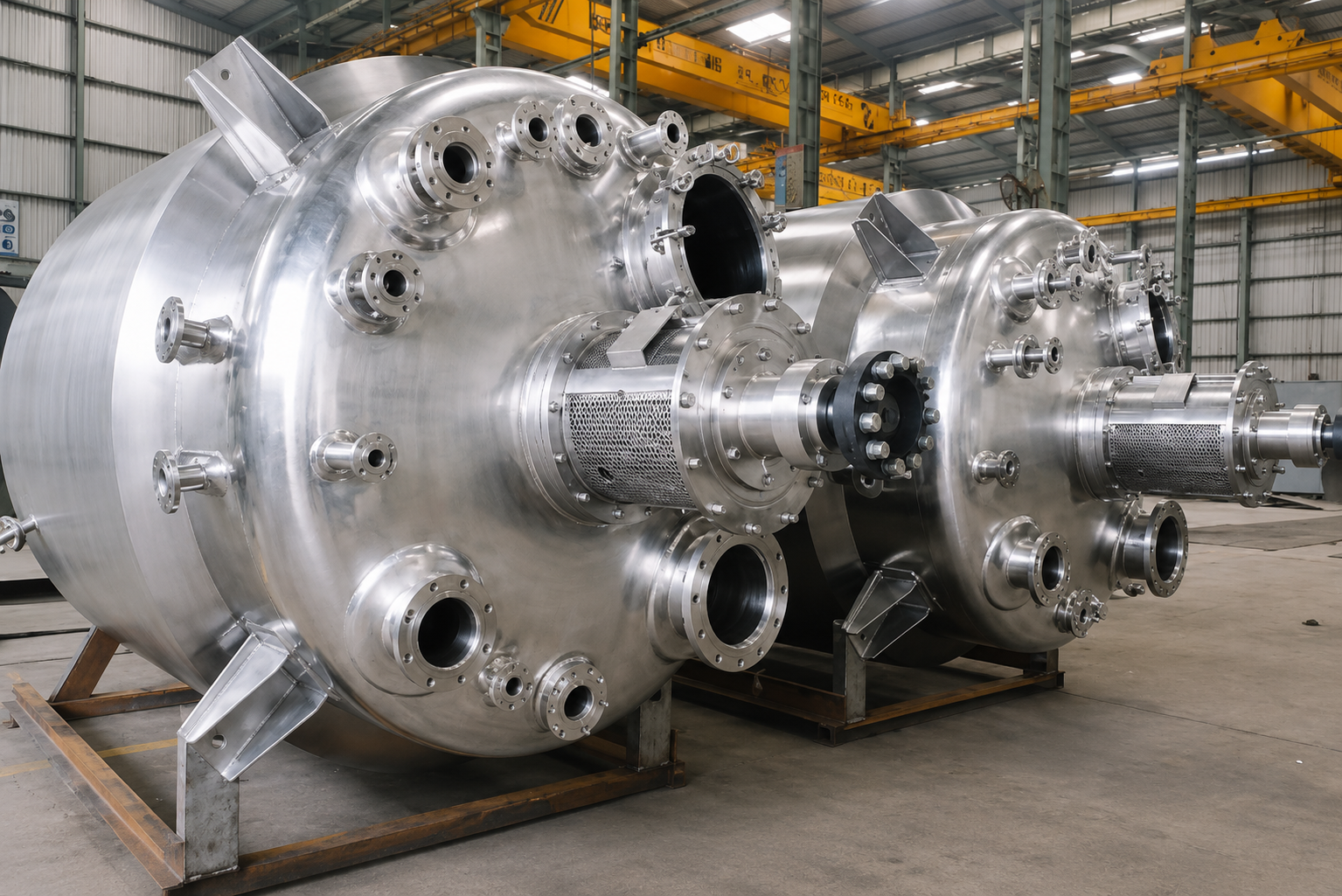
Material affects price in two ways: the cost per kilogram of plate and the weight of plate needed. Switching from SS 316L to Duplex can reduce plate thickness because Duplex is stronger, partly offsetting its higher price per kilogram. A cladded or lined carbon-steel vessel may cost much less than solid alloy for the same corrosion resistance. Conversely, using the cheapest material for an aggressive process leads to early failure, so the saving is false. Read our guide on SS304 vs SS316L vs Duplex vs Hastelloy to choose sensibly.
The weight of steel in the vessel roughly follows the surface area and wall thickness. Doubling the volume does not double the plate area, since area grows more slowly than volume, so larger reactors are generally cheaper per litre. Pressure works the other way: higher design pressure needs thicker walls (and heavier flanges, nozzle reinforcement and jacket rating). Vacuum duty may need stiffening rings or thicker shells. When you specify pressure, avoid padding the number "for safety"; the design code already includes margins, and extra pressure rating means extra cost. If the real maximum is 3 bar, specify 3 bar plus a reasonable margin rather than a round 10 bar.
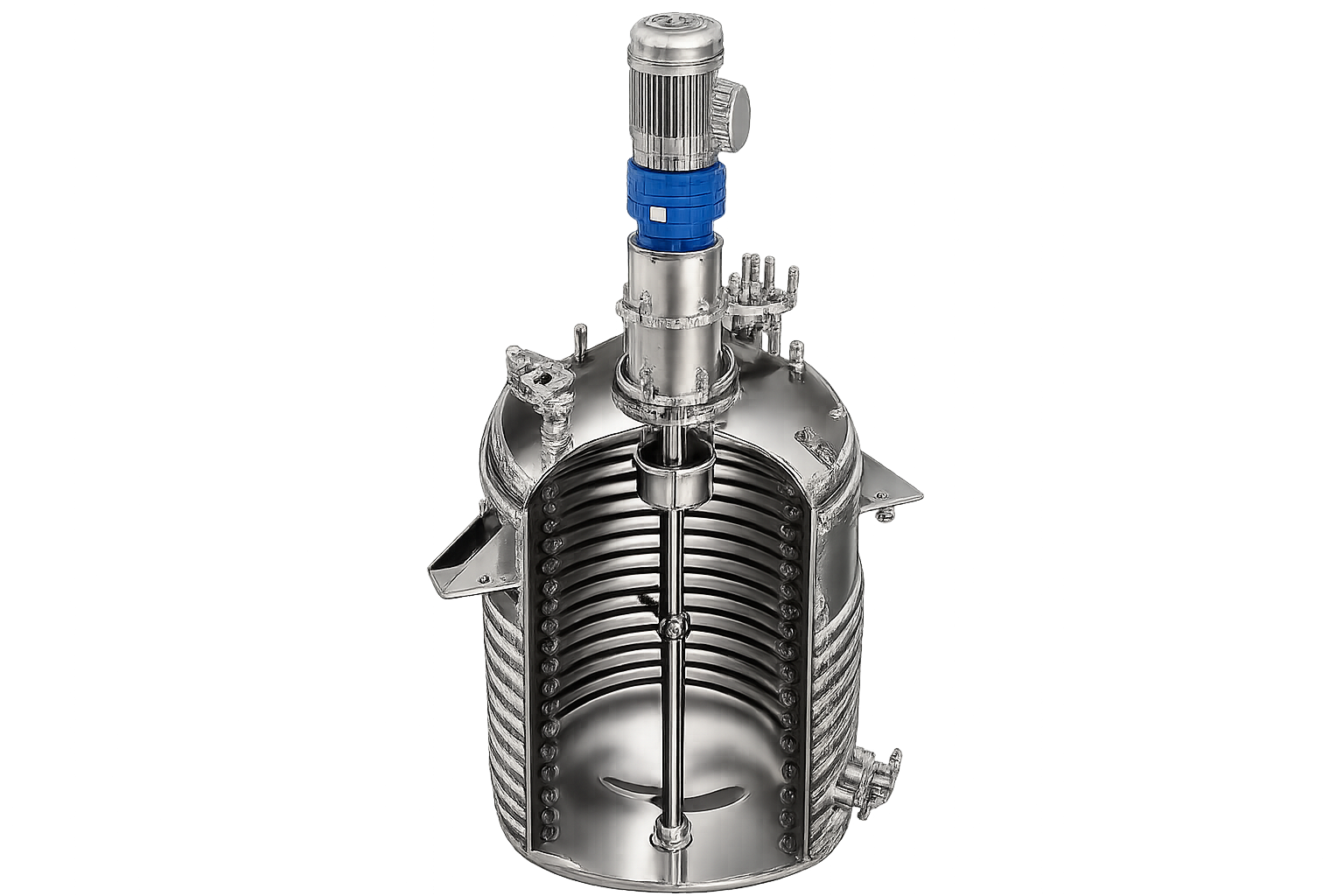
A full jacket is generally the economical standard. A limpet (half-pipe) coil costs more to fabricate because each half-pipe is welded along its length, but it allows a high utility pressure and good velocity. Internal coils add area but complicate cleaning and add welds inside the vessel. Choose the simplest arrangement that delivers the heat load; confirm the heat duty rather than guessing. For details see our guides on reaction vessels and types of chemical reactors.
The agitator system, including impeller, shaft, gearbox, motor and seal, can account for a substantial part of the total cost of a reactor, especially for large or high-torque duties. A double mechanical seal with a barrier-fluid system costs significantly more than a single seal but is essential for toxic, flammable or high-pressure service. VFD (variable frequency drive) control adds cost but allows speed adjustment. Ask for a breakdown of agitator cost in the quotation, so you can see what you are paying for. Our agitator selection guide helps you describe the mixing duty accurately.
Electro-polished or mirror finishes require extra labour and are justified in pharma and food service but not in utility duty. Radiography of all seams allows thinner walls (higher joint efficiency) but adds test cost; spot or partial radiography is cheaper but needs thicker plate. Third-party inspection, a full quality dossier and validation documents (IQ/OQ/PQ support) add time and cost, but for regulated industries they are not optional. See ASME U stamp, Section VIII Div 1 and IBR explained.
To see the effect of choices, compare three hypothetical specifications for the same working volume. The table is qualitative on purpose: actual prices depend on the metal market, size and current workload.
| Specification | Material | Jacket | Agitator and seal | Finish and documents | Relative cost |
|---|---|---|---|---|---|
| A. Utility reactor | Carbon steel SA 516 Gr.70 | Full jacket | Paddle, single seal | Blasted and painted, standard dossier | Lowest |
| B. Chemical reactor | SS 316L | Full jacket | Anchor with inner turbine, single seal | Pickled and passivated, full dossier | Medium |
| C. GMP API reactor | SS 316L, electro-polished interior | Limpet coil | Hydrofoil or anchor, double seal with barrier | Electro-polished, validation documents | Highest |
Specification C costs more than A not because of the volume, but because of material, finish, seal and documentation. If you are not in a regulated industry, you may not need C. If you are, A would be unacceptable.
A budgetary estimate is an early price range given when only the volume, material and basic pressure are known. It is useful for project cost planning, but it is not a commercial offer. A firm quotation is issued after the manufacturer has the full data sheet, has checked the design and has confirmed material prices and delivery; it normally has a validity period and clear scope. If you need budgetary figures for a project approval, say so at the start, and mention the date by which you need a firm offer. Having both stages in your plan prevents the common situation in which a project is approved on a number that cannot be met.
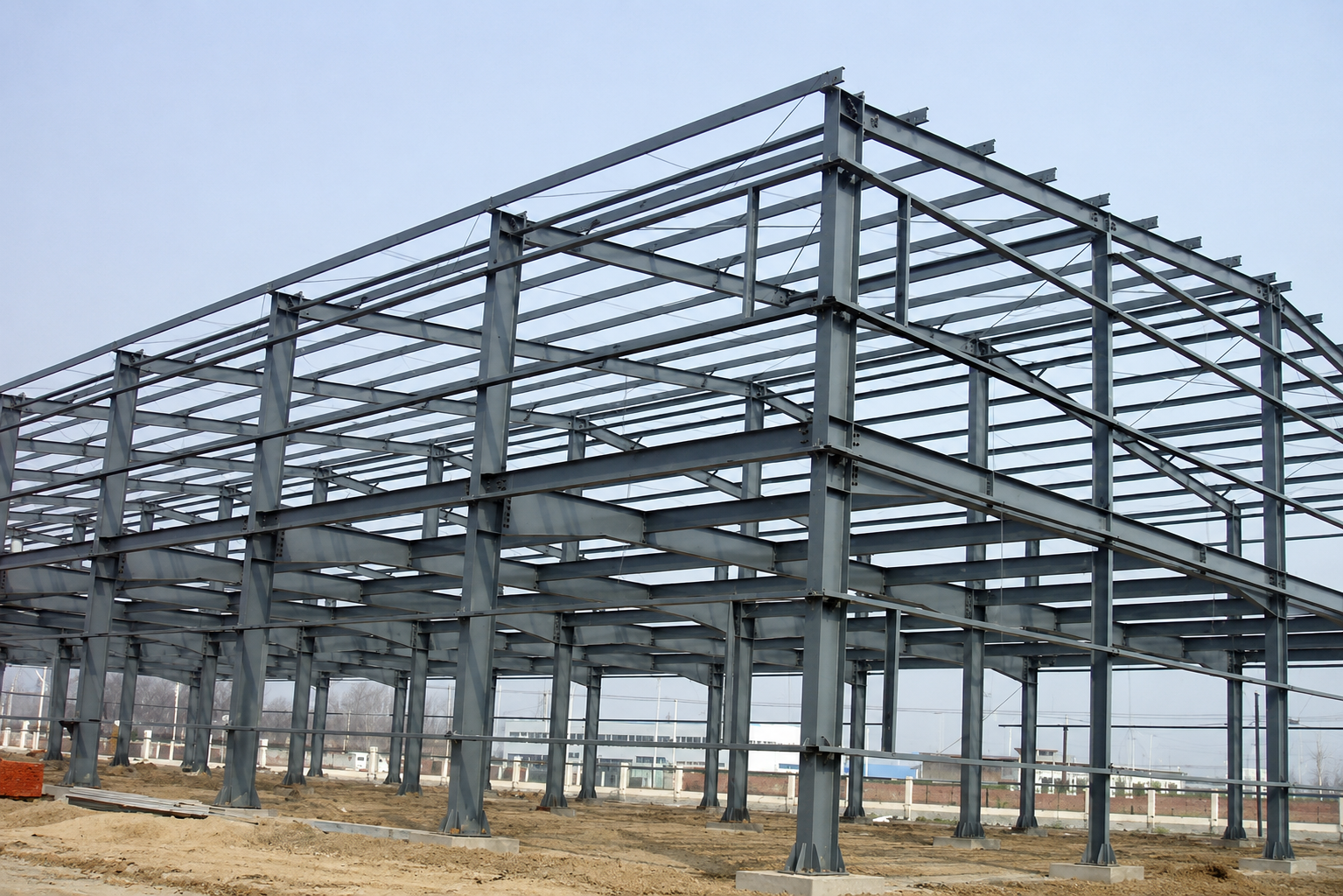
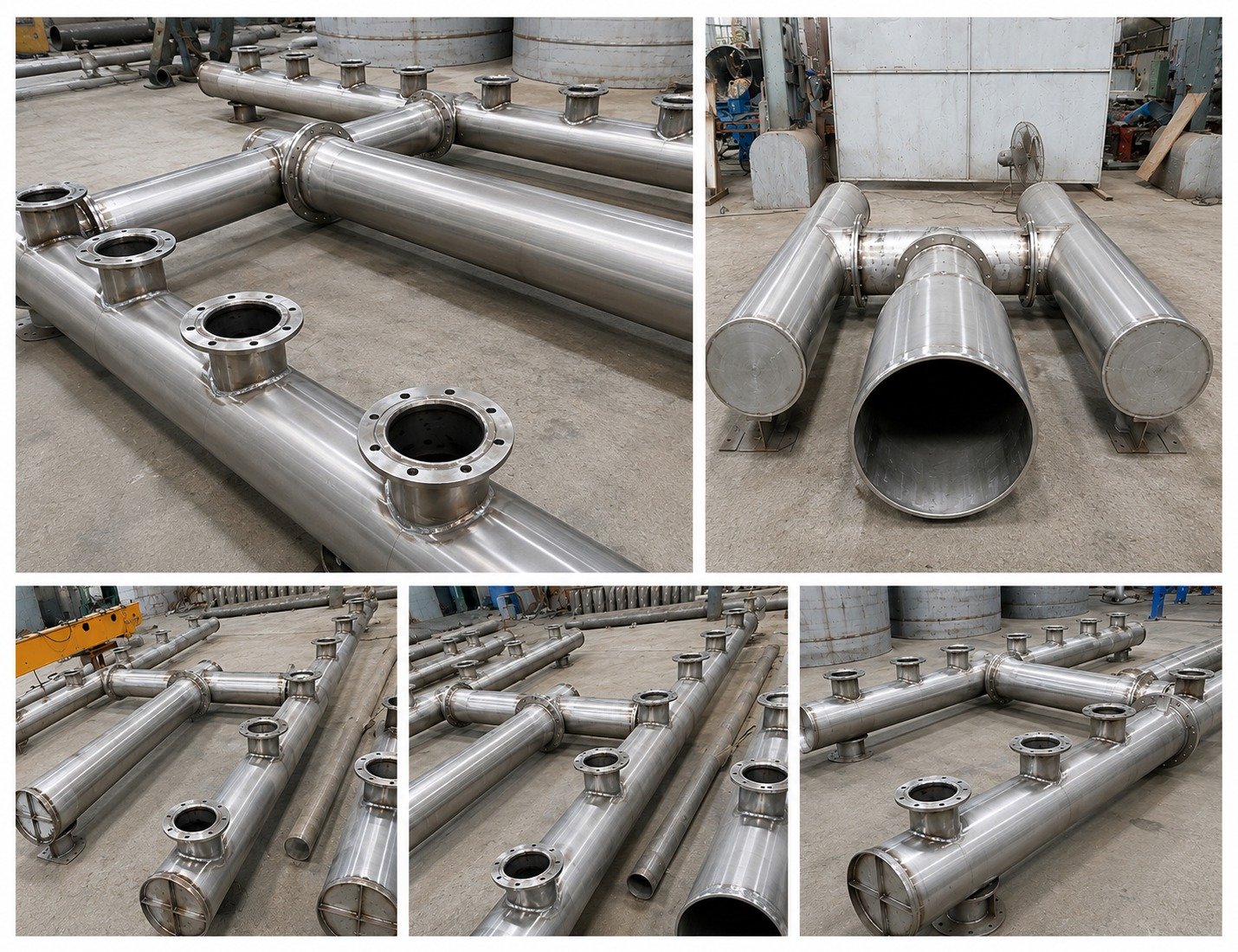
A reactor that costs a little more but cleans quickly, runs with a reliable seal and lasts twenty years is cheaper than a low-price vessel that is replaced in five. We can supply related platforms and ladders and pipe spools with the reactor so the whole package arrives from one supplier.
Send this through the contact page or email sales@creative-engineering.in. Creative Engineering answers enquiries within 24 hours. You can also read our buyer checklist for choosing a manufacturer.
There is no fixed price. It depends on material, volume, pressure, jacket, agitator, seal, finish, NDT and documentation, so a quotation needs a complete data sheet.
SS 316L contains molybdenum and nickel for better corrosion resistance, so the plate costs more. It is also usually specified with higher finish and documentation for pharma use.
Generally yes, because surface area grows more slowly than volume, but pressure, material and agitator size also matter.
Compare material grade, wall thickness and corrosion allowance, jacket design, agitator and seal, finish, NDT extent, documentation and delivery terms.
Yes. Electro-polishing, crevice-free welds and validation documentation add labour and time.
Creative Engineering responds to enquiries within 24 hours when the data sheet is complete.
Yes. With volume, material and pressure we can give a budgetary figure, then refine it once the data sheet is complete.
Creative Engineering, Ankleshwar, Gujarat designs and manufactures process equipment to ASME and IBR codes. Share your drawing or process data and our team will respond with a technical offer.








 Reactor
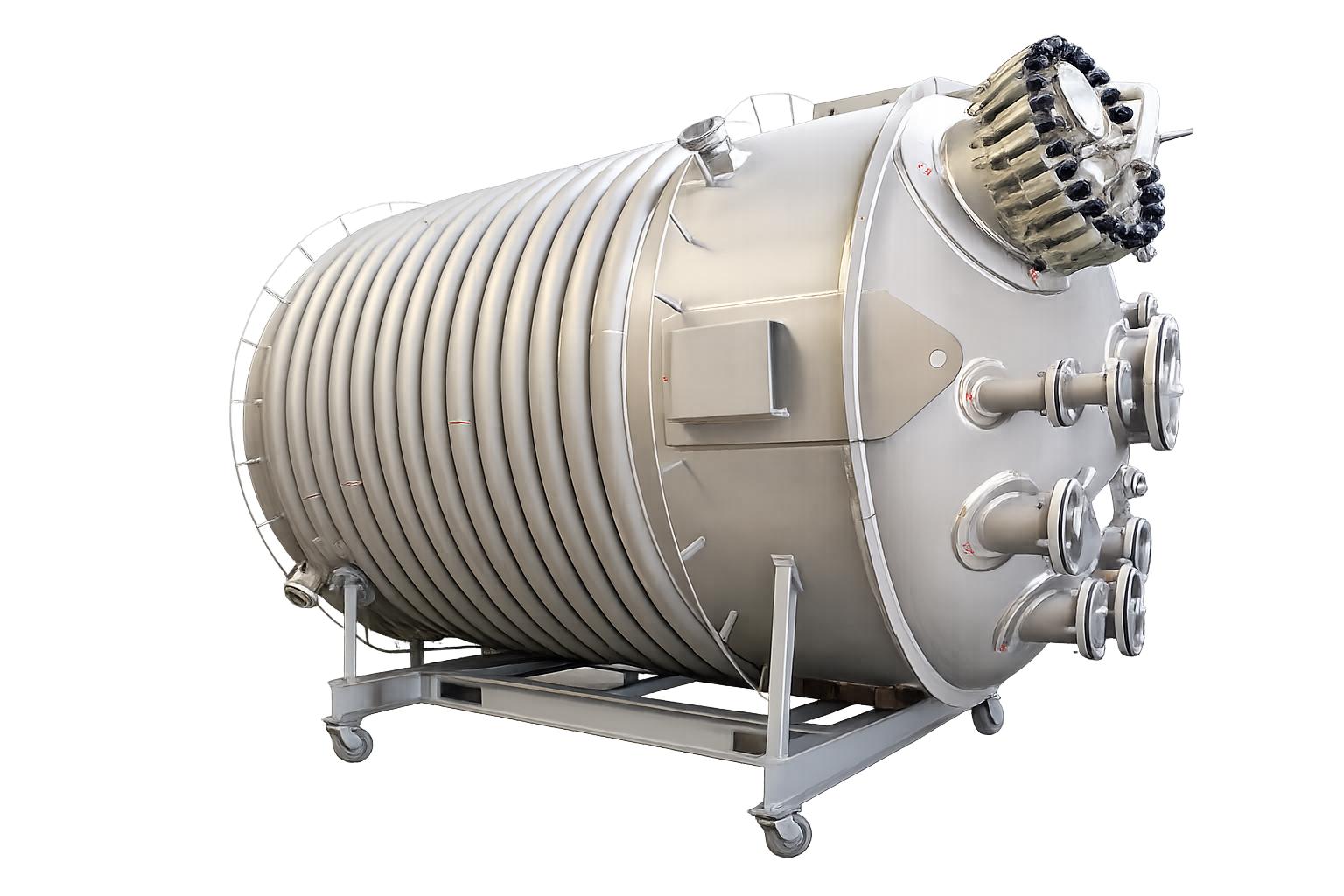 High Pressure Vessel
 Skid Equipment
 Receiver
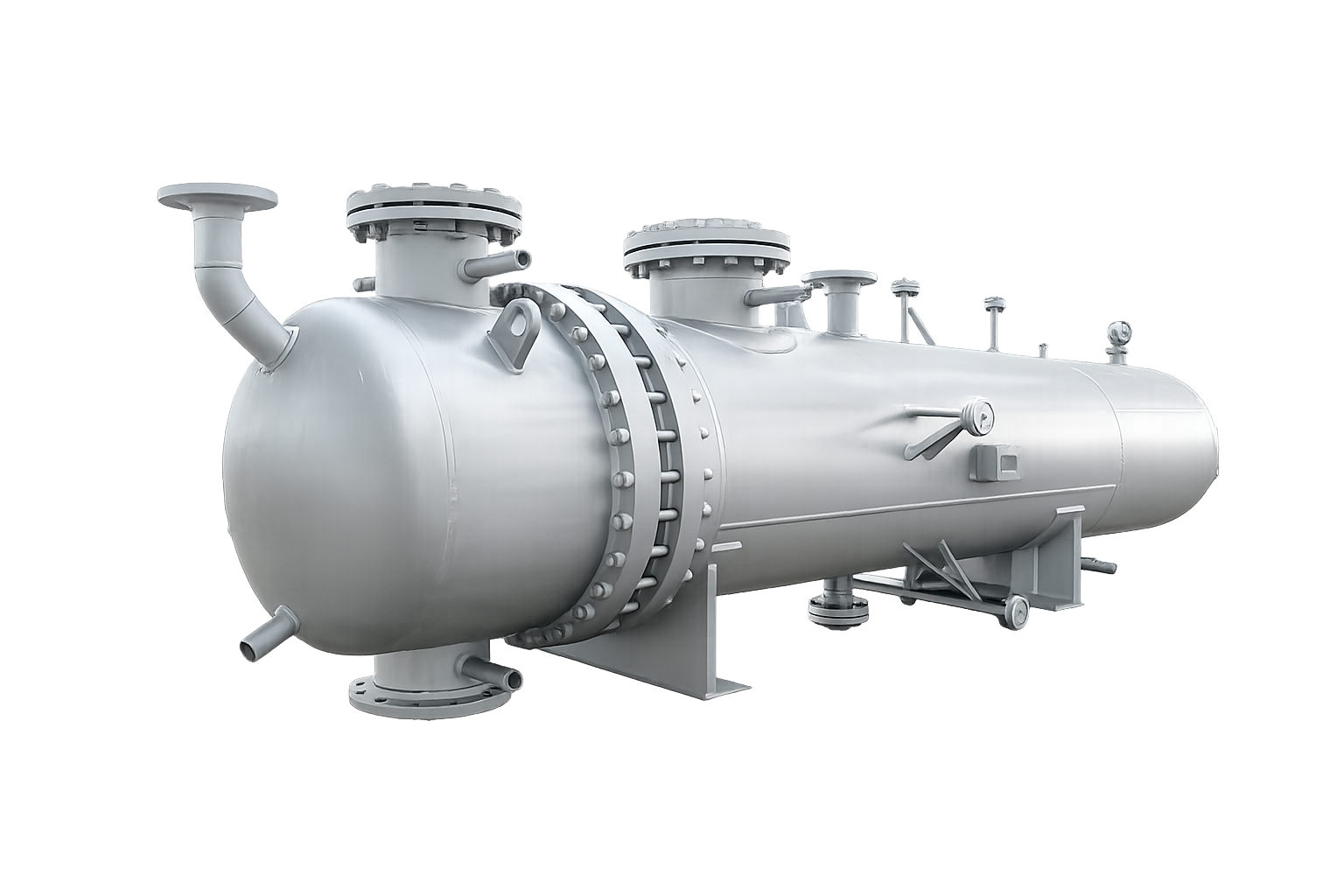 Heat Exchanger
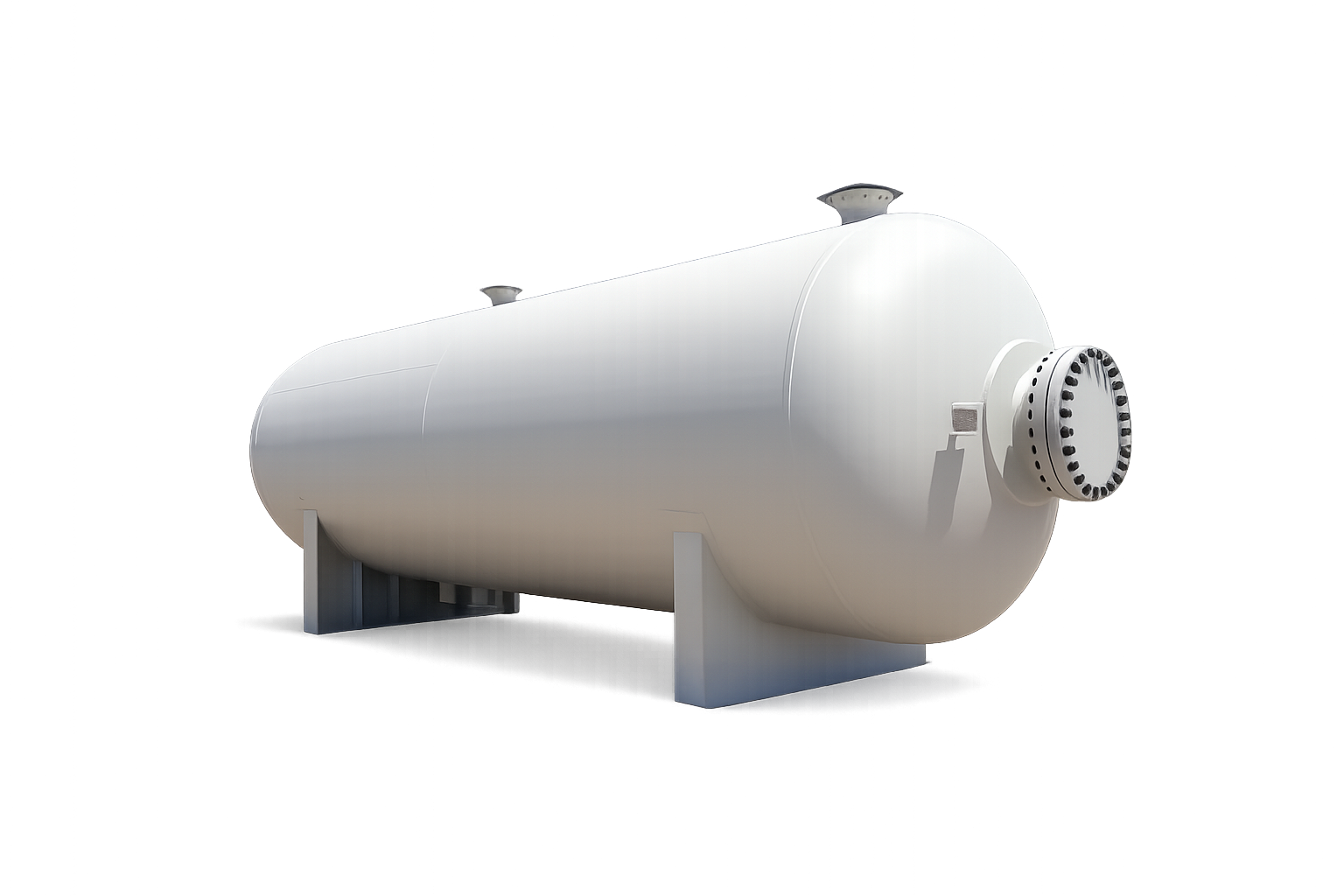 Pressure Vessel
 Silo
 Solvent Stripper
 Pharma Equipments