Learn what a box heat exchanger is, how its rectangular box construction differs from a round shell and tube exchanger, where it is used, materials, multi-pass and removable bundle options, and skid-mounted units.

A box heat exchanger is a heat exchanger built in a rectangular box-type housing instead of a round cylindrical shell. It is custom designed for the duty, can be made in carbon steel, stainless steel or alloys, may have multiple passes and a removable bundle, and can be supplied skid-mounted with piping, valves and instruments, factory-tested, for compact installations.
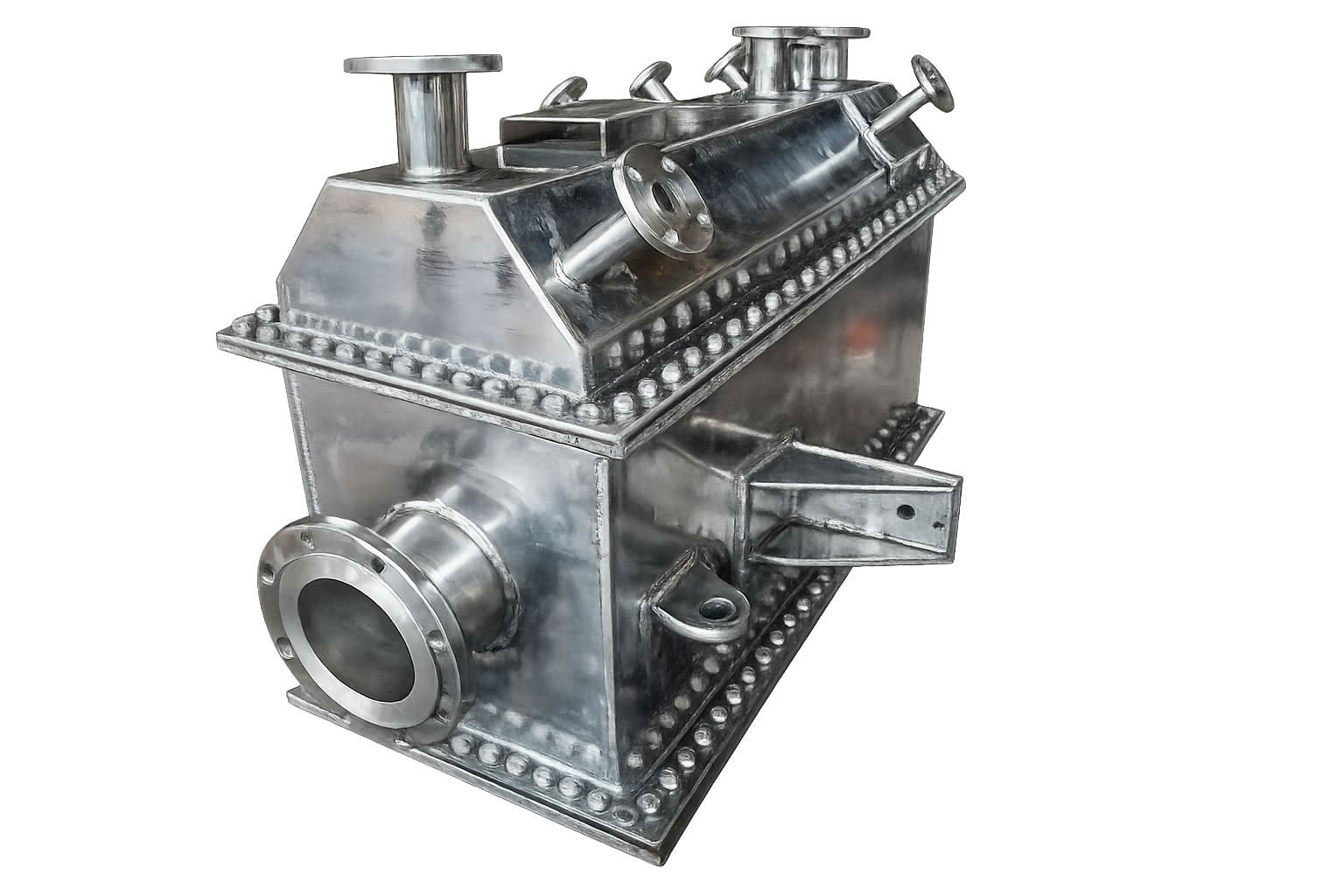
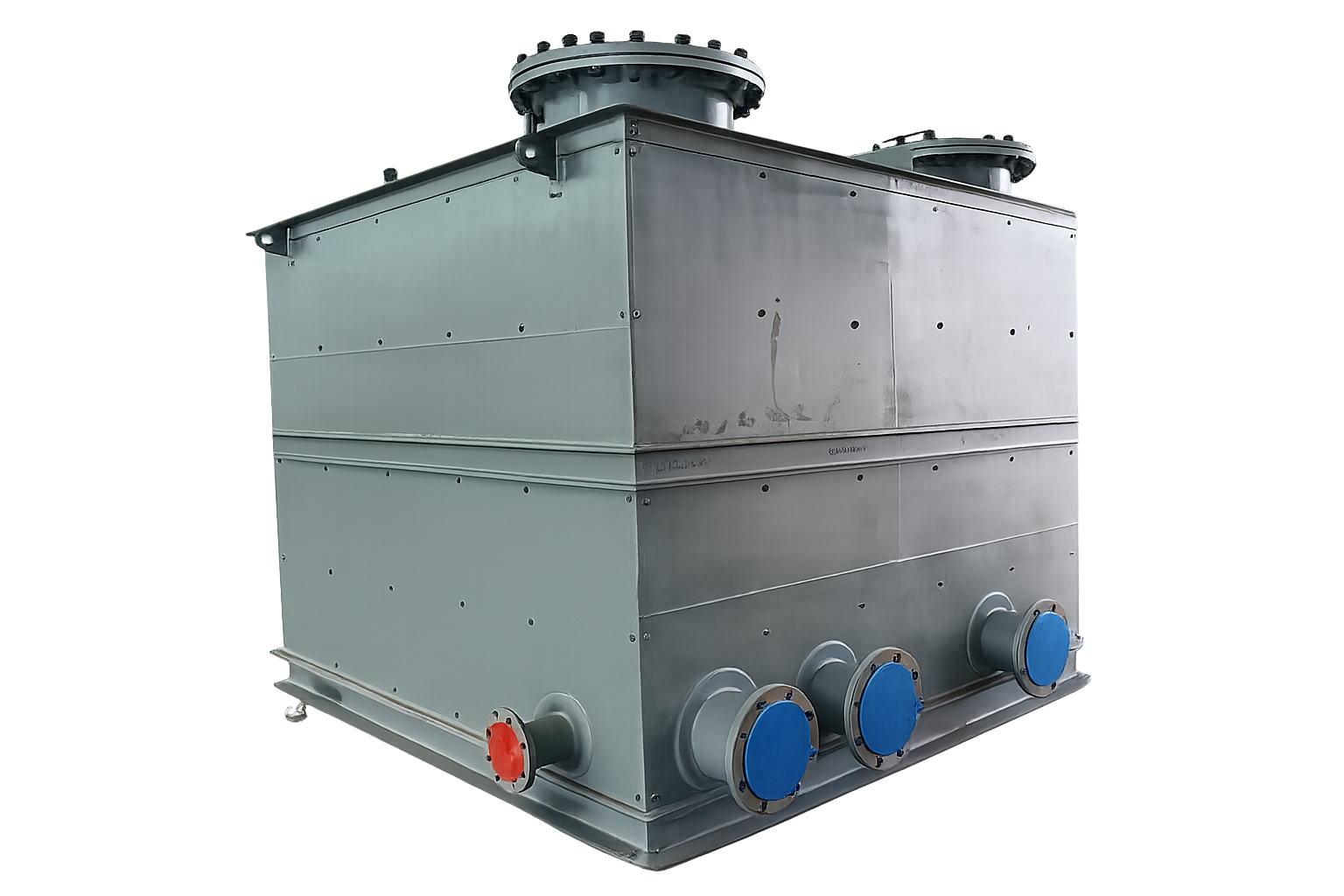
A box heat exchanger (also called a box-type heat exchanger or rectangular heat exchanger) is a heat exchanger whose outer housing is a rectangular box rather than a round shell. Inside the box, tubes, coils or plates carry one fluid while the other fluid flows through the box around them. The rectangular shape suits tight layouts, flat mounting and duties where a conventional round shell would waste space or be hard to integrate into a skid or duct.
Box exchangers are not an off-the-shelf catalogue item. Each one is designed from the duty, available space and fluids, which is why the data you give at enquiry stage matters. Creative Engineering builds them in Ankleshwar as part of its heat-transfer range alongside the shell and tube heat exchangers described in our main heat exchanger guide.
| Element | Description |
|---|---|
| Box housing | Rectangular fabricated casing in carbon steel or stainless steel with stiffening to resist pressure and handling loads |
| Heat transfer surface | Tube bundle or coils inside the box, sized for the duty |
| Passes and baffles | Multi-pass arrangement and baffles to direct flow and raise velocity |
| Headers and nozzles | Inlet and outlet connections arranged to suit the pipework |
| Removable bundle (option) | Allows the tube bundle to be pulled out for cleaning and maintenance |
| Skid frame (option) | Mild steel or stainless steel frame with piping, valves and instruments pre-assembled |
Because a flat rectangular surface carries pressure less efficiently than a cylinder, the box must be stiffened or the design pressure limited; the designer balances thickness, ribbing and pass arrangement. Design pressure and temperature are supplied by the customer in the RFQ so the box can be engineered correctly.

| Aspect | Box heat exchanger | Round shell and tube |
|---|---|---|
| Shape | Rectangular, compact | Cylindrical |
| Pressure capability | Moderate; box stiffened | High; cylinder is naturally strong |
| Layout flexibility | Very good for tight or flat spaces | Good for standard pipework |
| Customisation | Fully custom design | Standardised under TEMA |
| Skid integration | Easy to build into skids | Possible, takes more space |
| Typical duty | Moderate pressure, special space limits | High pressure and temperature |
Box heat exchangers are fabricated in carbon steel box construction for non-corrosive duty, and in SS 304, 304L, 316, 316L, 316Ti and 321 for corrosion resistance. For aggressive fluids the range extends to Duplex, Super Duplex, Inconel 625 and Hastelloy C-276, as well as 904L, CuNi and titanium. Skids can be built in mild steel or stainless steel. For pharmaceutical and hygienic service the internals can be polished to a GMP finish.
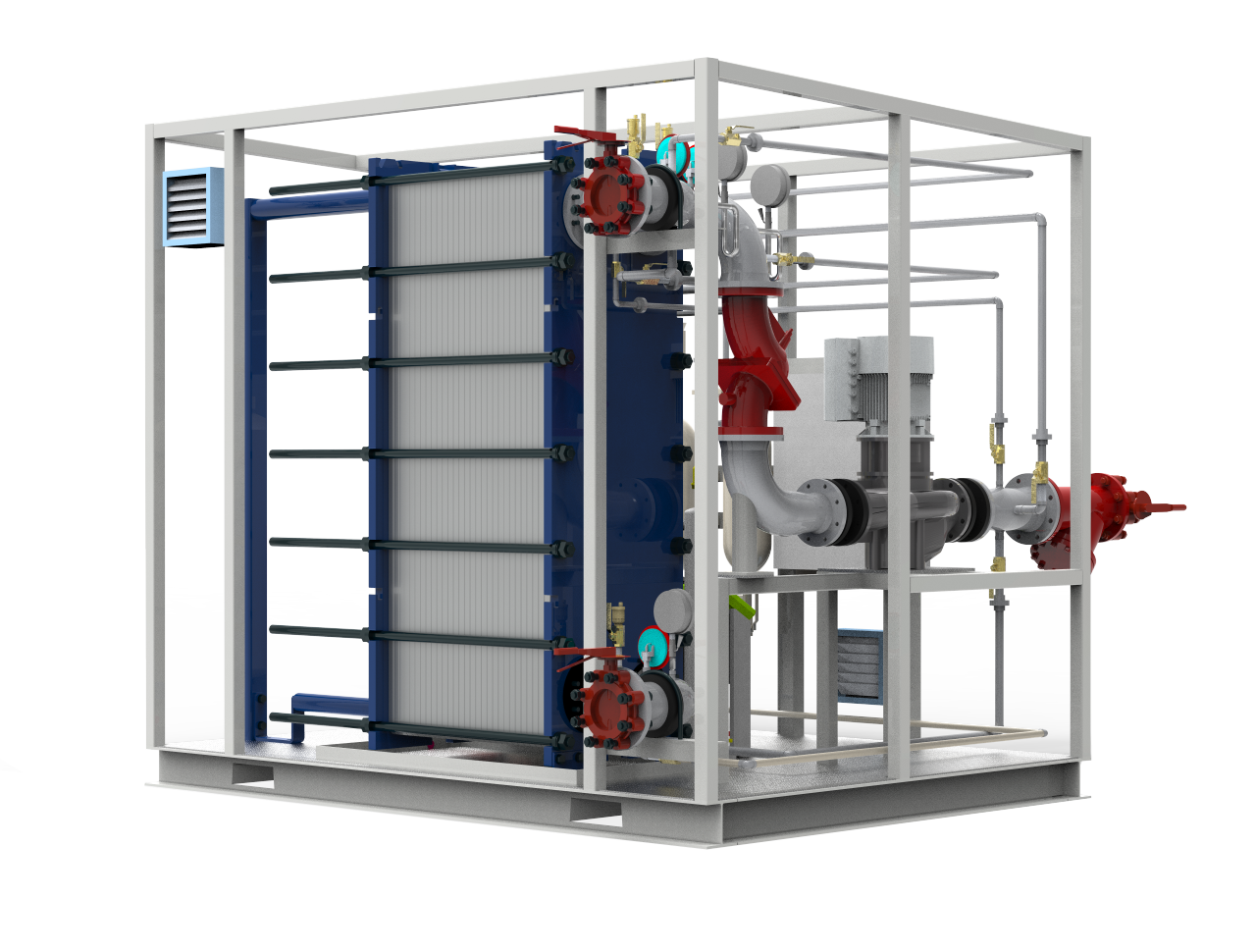
A skid-mounted exchanger arrives as a complete package: the box exchanger, interconnecting piping, valves, instruments and frame assembled and tested in the factory. This shortens site installation to connecting the utilities and process lines, cuts site welding and gives a single point of responsibility. Creative Engineering supplies skid-integrated units with factory testing, and the same approach is described on our page about skid-mounted process equipment and in our guide what is skid-mounted process equipment.
They are supplied for specialty chemical, pharma, oil and gas and petrochemical customers.
| Advantages | Limitations |
|---|---|
| Compact rectangular footprint that suits skids and tight rooms | Flat faces limit design pressure compared with a round shell |
| Fully customised to the duty, space and pipework | Not standardised, so each unit needs its own design review |
| Easy to integrate with piping, valves and instruments on a skid | Corners and stiffeners need careful welding and inspection |
| Multi-pass and removable bundle options | Heavier steel use than a cylinder for the same pressure |
| Available in carbon steel, stainless steel and alloys | Large fluid volumes may need a round exchanger instead |
Understanding these trade-offs early helps you decide between a box and a round shell-and-tube unit. If you are unsure, send the duty data and we will indicate which construction is the better fit.
| Question | If yes | If no |
|---|---|---|
| Is space shape or skid integration the main constraint? | Box exchanger is a strong candidate | Consider round shell and tube |
| Is operating pressure moderate? | Box construction works | Use a cylindrical or hairpin design |
| Do fluids foul the surfaces? | Specify removable bundle and wide passages | Fixed bundle may be sufficient |
| Is the fluid corrosive? | Choose SS 316L, Duplex or alloy wetted parts | Carbon steel may be economical |
| Do you need a packaged unit? | Order skid-mounted with piping and instruments | Supply the exchanger alone |
Answering these five questions in your enquiry lets the design team propose the right construction on the first response, and avoids redesign later. You can also review the related guides on reboilers and distillation columns to see how exchangers fit into larger process systems.
A box exchanger needs the same attention as any pressure-containing heat exchanger. Check the box seams and stiffeners for cracks or weeping, inspect gaskets and bolting on removable covers, flush fouling fluids regularly, and measure thermal performance against the original design. Where a removable bundle is fitted, plan an annual or shutdown-based pull-and-clean to restore the heat-transfer coefficient. Keep the fabrication drawings and test records so repair and re-rating can be done quickly if process conditions change.
Each box heat exchanger from Creative Engineering is hydrostatically and leak tested before dispatch, and the quality dossier includes drawings, material test certificates and NDT reports. Our service team also supports preventive maintenance and emergency breakdown calls.
Send these to sales@creative-engineering.in or through the contact page. A response follows within 24 hours.
Thermal design of a box exchanger follows the same heat-transfer principles as any exchanger: heat duty, log mean temperature difference, overall heat-transfer coefficient and fouling allowance. The mechanical design is where the box differs. Flat panels bend under pressure, so the designer uses thicker plate, stiffening ribs, tie rods or internal supports to limit deflection. Welded seams and corners are checked for stress concentration, and the box is hydro-tested to prove its strength.
Flow arrangement is chosen for the best temperature profile: counter-current where possible, multi-pass to raise velocity, and baffles to prevent bypassing. For viscous or fouling fluids, wider passages and a removable bundle make cleaning feasible. For corrosive fluids the wetted side is placed in the more resistant alloy.
A box heat exchanger is a heat exchanger built in a rectangular box housing, custom designed for the duty and space, with tubes, coils or plates inside and options for multi-pass flow and removable bundles.
A shell and tube exchanger has a round shell and is built to TEMA for high pressure and temperature. A box exchanger has a rectangular housing, is more flexible for tight layouts and skids, and typically suits moderate pressure.
Yes. It can be supplied on a mild steel or stainless steel skid with piping, valves and instruments pre-assembled and factory-tested.
Carbon steel, SS 304, 316L and other stainless grades, plus Duplex, Inconel 625, Hastelloy C-276 and other alloys for corrosive duty.
Yes, when a removable bundle or access design is specified; this is recommended for fouling fluids.
Creative Engineering of Ankleshwar designs and manufactures box heat exchangers to customer duty and drawings, with ASME U and R stamp quality systems.
Provide heat duty or flow and temperature data for both fluids, allowable pressure drop, design pressure and temperature, and the space available. The designer then selects the surface area, pass arrangement and stiffening.
Generally box exchangers suit moderate pressure because flat faces are weaker than a cylinder. For high pressure a round shell and tube or hairpin exchanger is usually preferred.
Creative Engineering, Ankleshwar, Gujarat designs and manufactures process equipment to ASME and IBR codes. Share your drawing or process data and our team will respond with a technical offer.








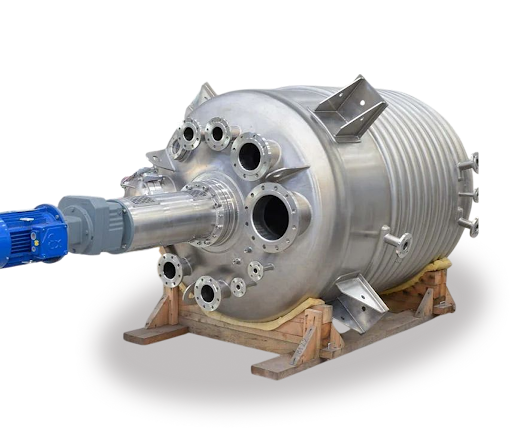 Reactor
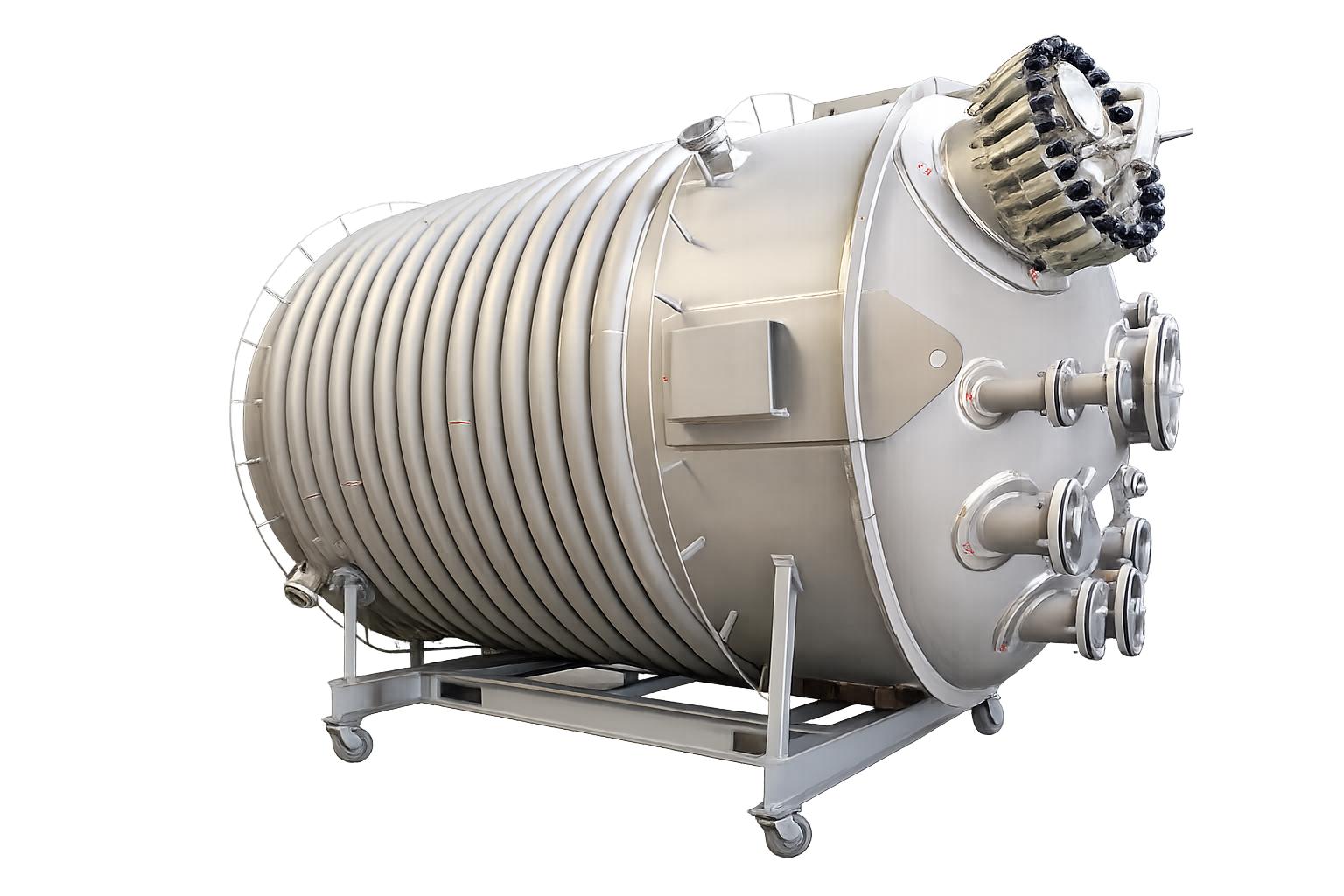 High Pressure Vessel
 Skid Equipment
 Receiver
 Heat Exchanger
 Pressure Vessel
 Silo
 Solvent Stripper
 Pharma Equipments