A complete guide to industrial storage tanks: vertical and horizontal tanks, atmospheric and low-pressure designs, API 650 and API 620, roof and bottom types, materials, coatings, accessories and how to order a 1 KL to 200 KL tank.

A storage tank is a fabricated vessel used to store liquids such as chemicals, fuels, water and process liquids at atmospheric or low pressure. Industrial tanks are vertical or horizontal, built in carbon steel, stainless steel or alloys, and designed to API 650 (atmospheric), API 620 or ASME Section VIII (low-pressure) depending on the pressure and service.
A storage tank is a container designed to hold liquids (and sometimes gases or solids) until they are needed. In industry, tanks store raw materials, intermediates, finished products, fuels, water and wastes. Unlike a pressure vessel, which is built to contain significant pressure, most storage tanks operate at atmospheric pressure or just above, so their walls are thinner and their design codes are different.
Choosing the right tank affects safety, product quality and plant economics. A tank that is the wrong material can contaminate product or corrode; a tank that is the wrong size can limit production or tie up capital. Creative Engineering fabricates storage tanks from 1 KL to 200 KL and above, in vertical and horizontal configurations, in carbon steel, stainless steel and alloy materials.
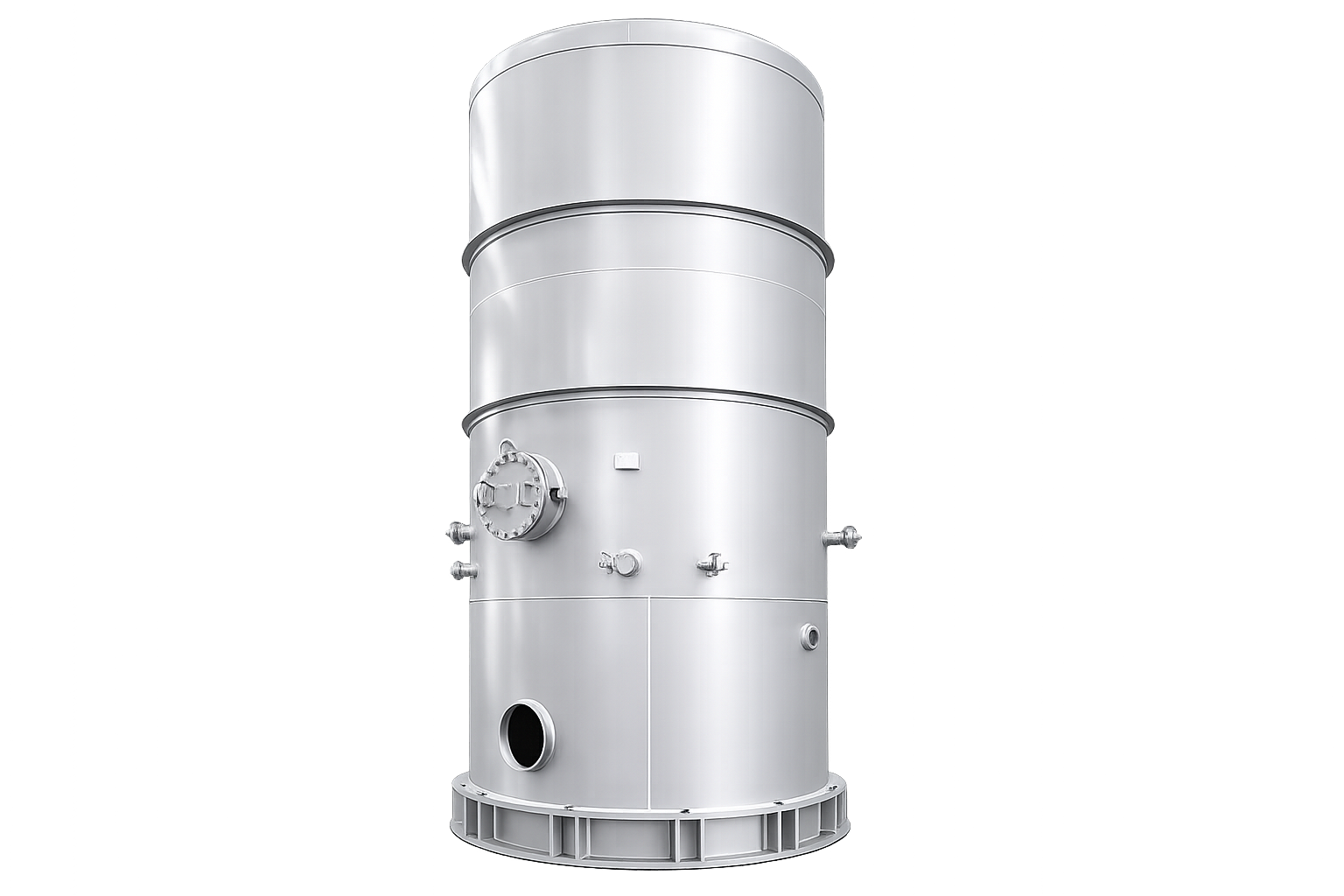
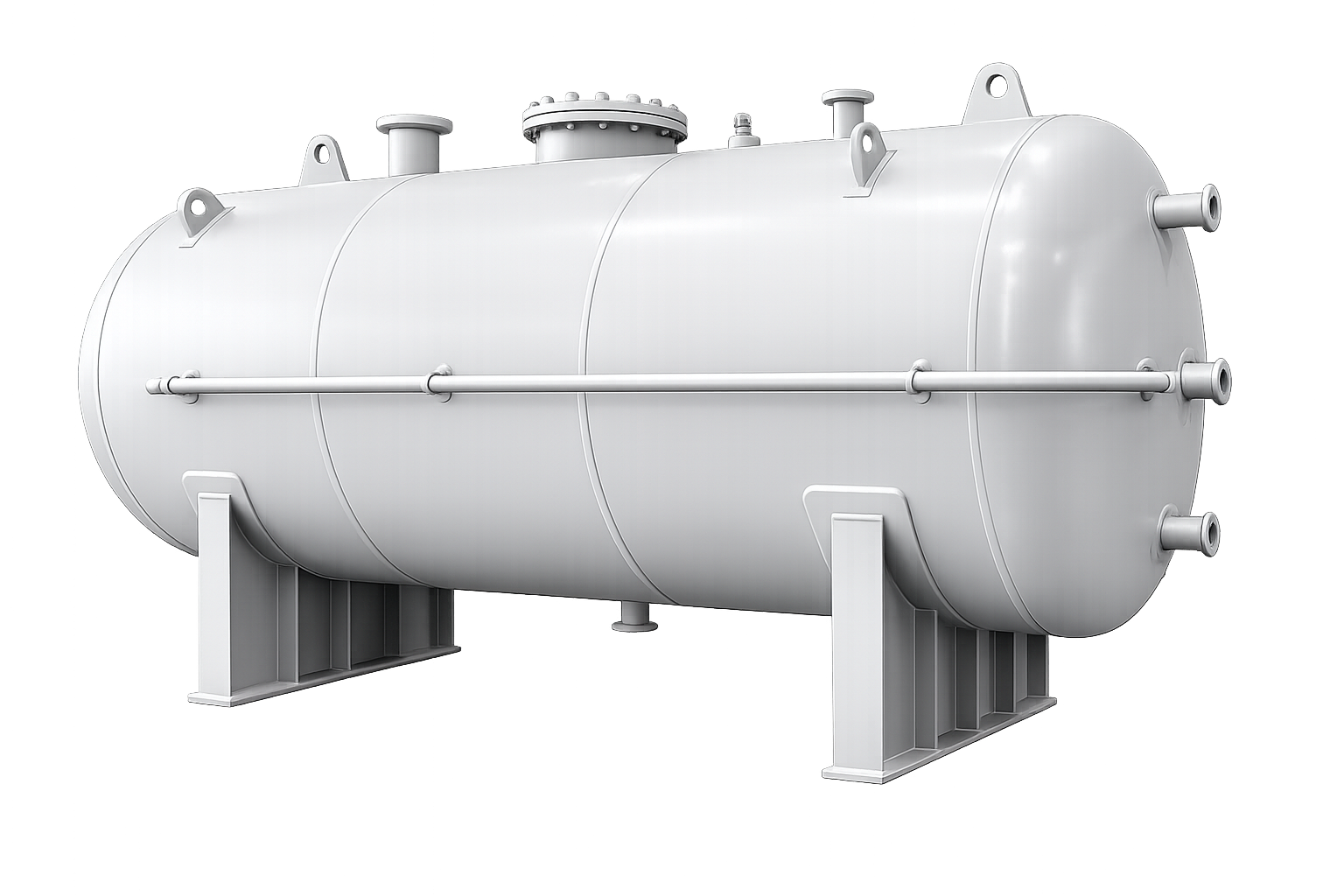
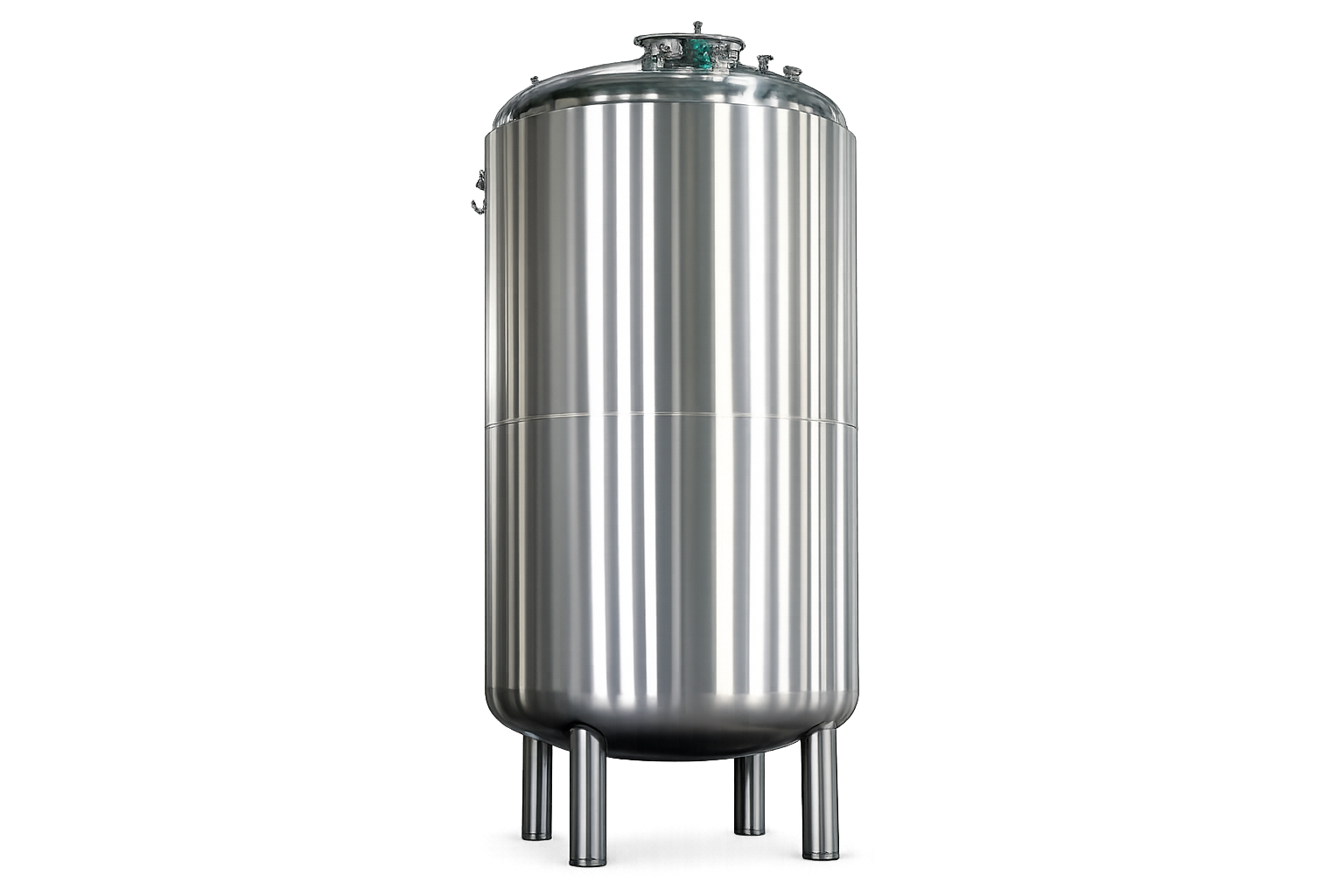
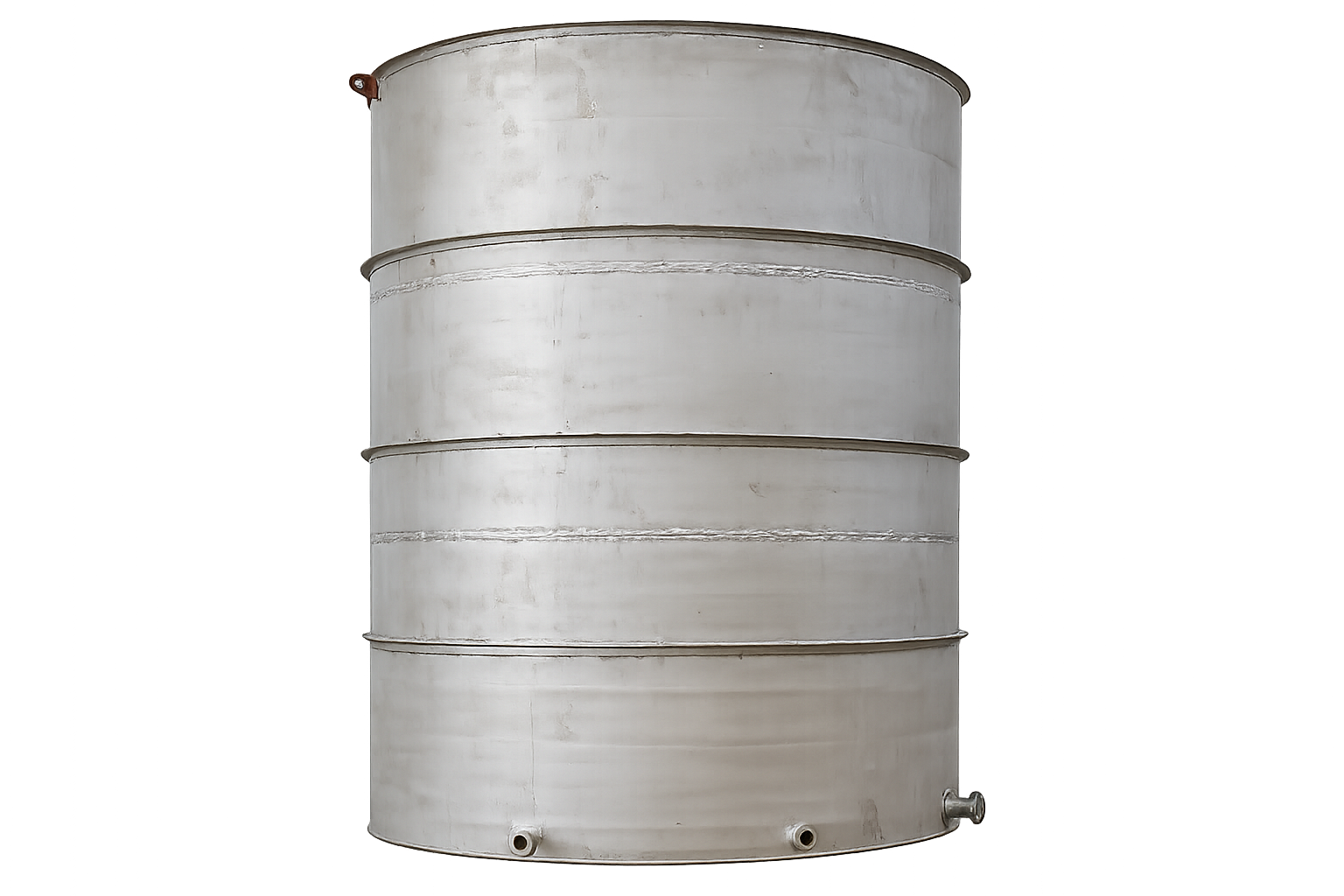
Vertical tanks stand on a foundation or ring wall, make efficient use of land, and are used for larger volumes. Horizontal tanks lie on saddle supports, are easier to install and inspect, and suit smaller volumes, underground burial and tanker-sized installations.
Atmospheric tanks operate at or very close to atmospheric pressure and are normally designed to API 650. Low-pressure tanks operate at a small internal pressure and follow API 620 or ASME Section VIII, and are protected by pressure and vacuum relief valves.
| Roof | Features | Used for |
|---|---|---|
| Flat roof | Simple, low cost | Small tanks, water, non-volatile liquids |
| Conical (cone) roof | Sloped, sheds water, supports internal pressure better | General chemical and fuel storage |
| Dished (torispherical or ellipsoidal) roof | Better pressure handling | Low-pressure tanks |
| Floating roof | Rides on the liquid to reduce vapour loss | Large volatile storage (refineries) |
Bottoms can be flat, dished or sloped; sloped or cone-down bottoms drain completely at a low-point nozzle, which helps when changing products or removing sludge.


Creative Engineering fabricates to all three code families and holds ASME U and R stamps, NB registration and IBR approval, which are valuable when tanks form part of a larger pressure-system.
For non-corrosive liquids such as water, diesel or many hydrocarbons, carbon steel or mild steel with an external coating is used. Chemical storage commonly calls for SS 304, 304L, 316 or 316L, and aggressive fluids need Duplex, Super Duplex, Inconel, Hastelloy or titanium. Where the liquid is corrosive but the cost of alloy is high, the tank can be lined with rubber, FRP, Triflex rubber, bitumen or other coatings. Carbon-steel tanks are shot-blasted and painted with epoxy or polyurethane systems for external protection.
| Stored liquid | Typical material |
|---|---|
| Water, diesel, lube oil | Carbon steel with coating |
| Solvents, many chemicals | SS 304 or SS 316L |
| Acids, chloride-rich liquids | Lined carbon steel, Duplex or alloy |
| Food-grade and pharma liquids | SS 316L, polished interior |
| Bitumen or heavy oils | Carbon steel with heating coils and insulation |
Tank capacity is expressed in kilolitres (KL) or cubic metres. 1 KL equals 1 cubic metre. The working capacity is lower than the nominal capacity because there must be freeboard at the top and an unusable layer at the bottom. When you specify a tank, state whether the volume is nominal or working volume.
Foundations are as important as the tank. A ring wall or concrete pad must carry the full weight of the liquid and spread it evenly, and it must be level; uneven settlement can distort the shell and stress the welds. Horizontal tanks need saddles on a rigid base, with provision for thermal expansion at one saddle.
Every tank breathes. When liquid is pumped in, vapour inside is pushed out; when liquid is pumped out or the tank cools at night, air is drawn in. Vents and PV valves must be sized for these flows and for emergency cases such as external fire, otherwise the tank can be over-pressurised or sucked in. For volatile or toxic liquids the vent is connected to a vapour recovery or scrubber system, and flammable liquids need earthing, bonding and in many cases nitrogen blanketing to keep air out.
Secondary containment, usually a bund (dyke) around the tank, holds a spill if the tank leaks. The bund is normally sized to contain the contents of the largest tank in it. Overfill protection, high-level alarms and leak detection add further layers of safety. For hazardous chemicals follow your site safety rules and local regulation when you select accessories.
| Safeguard | Purpose |
|---|---|
| PV (pressure-vacuum) valve | Protects tank from over-pressure and vacuum |
| Flame arrester | Stops flame travelling through vent in flammable service |
| Nitrogen blanketing | Keeps oxygen out, limits vapour emissions |
| Level alarms and overfill protection | Prevents spills |
| Bund or dyke | Contains spills |
| Earthing and bonding | Dissipates static electricity |
| Equipment | Stores | Pressure | Typical code |
|---|---|---|---|
| Storage tank | Liquids | Atmospheric or low pressure | API 650, API 620, ASME VIII |
| Pressure vessel | Gas, liquid, mixtures | Significant internal or external pressure | ASME VIII Div 1 |
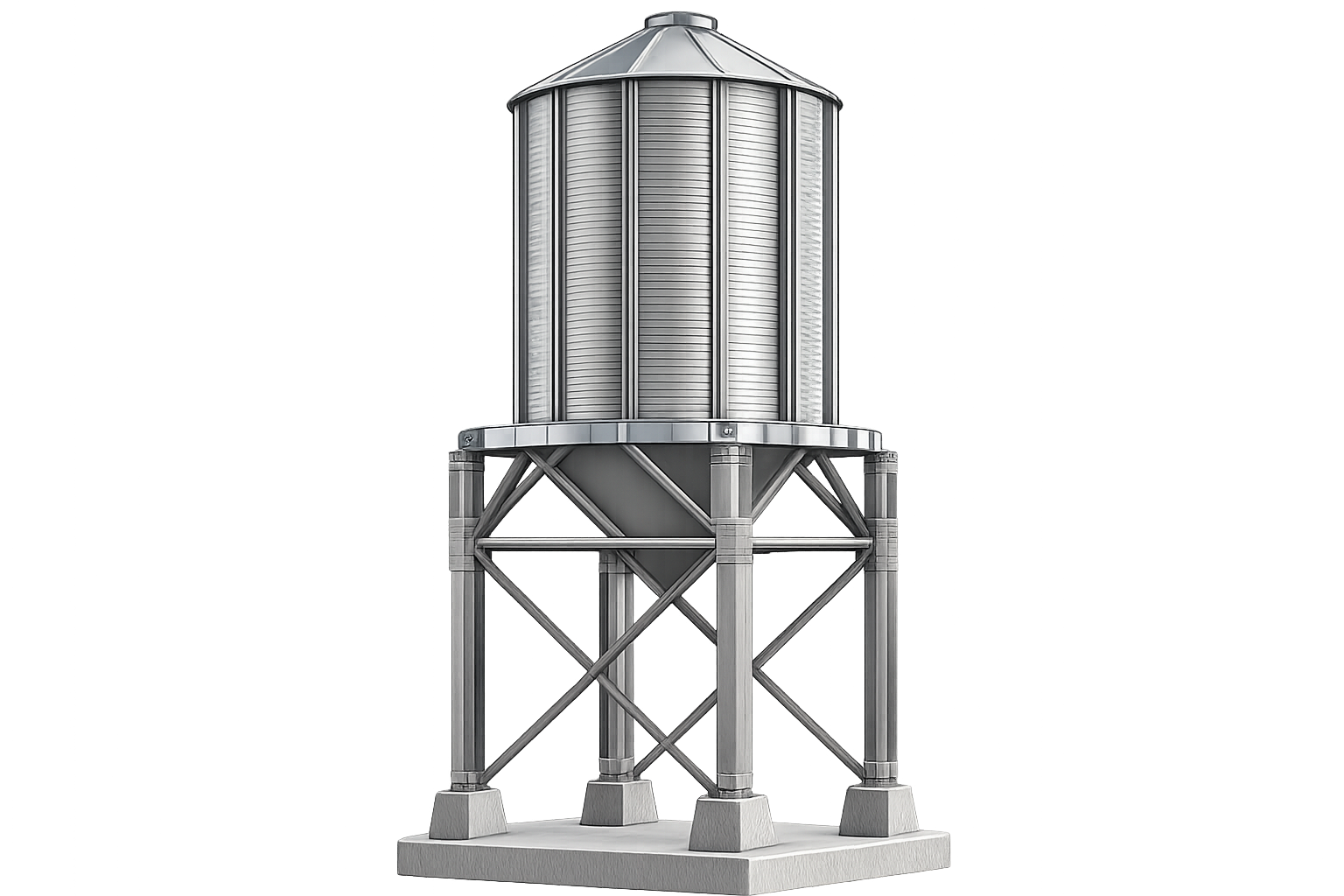
| Silo | Dry bulk solids (powder, granules) | Atmospheric, structural loads dominate | Structural design for wind, seismic and material loads |
Creative Engineering manufactures all three, so a plant can source tanks, vessels and silos from one fabricator and one quality system.
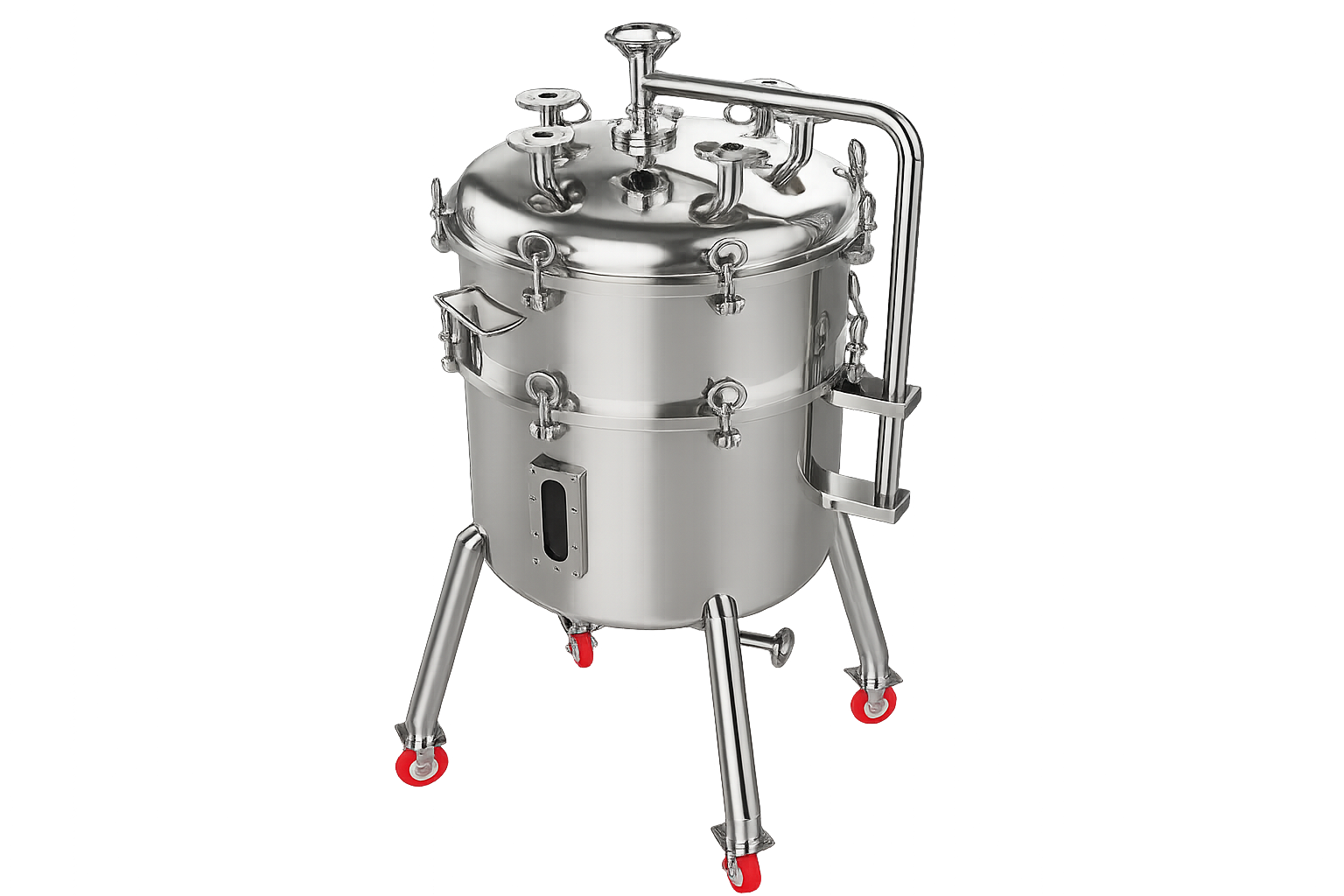
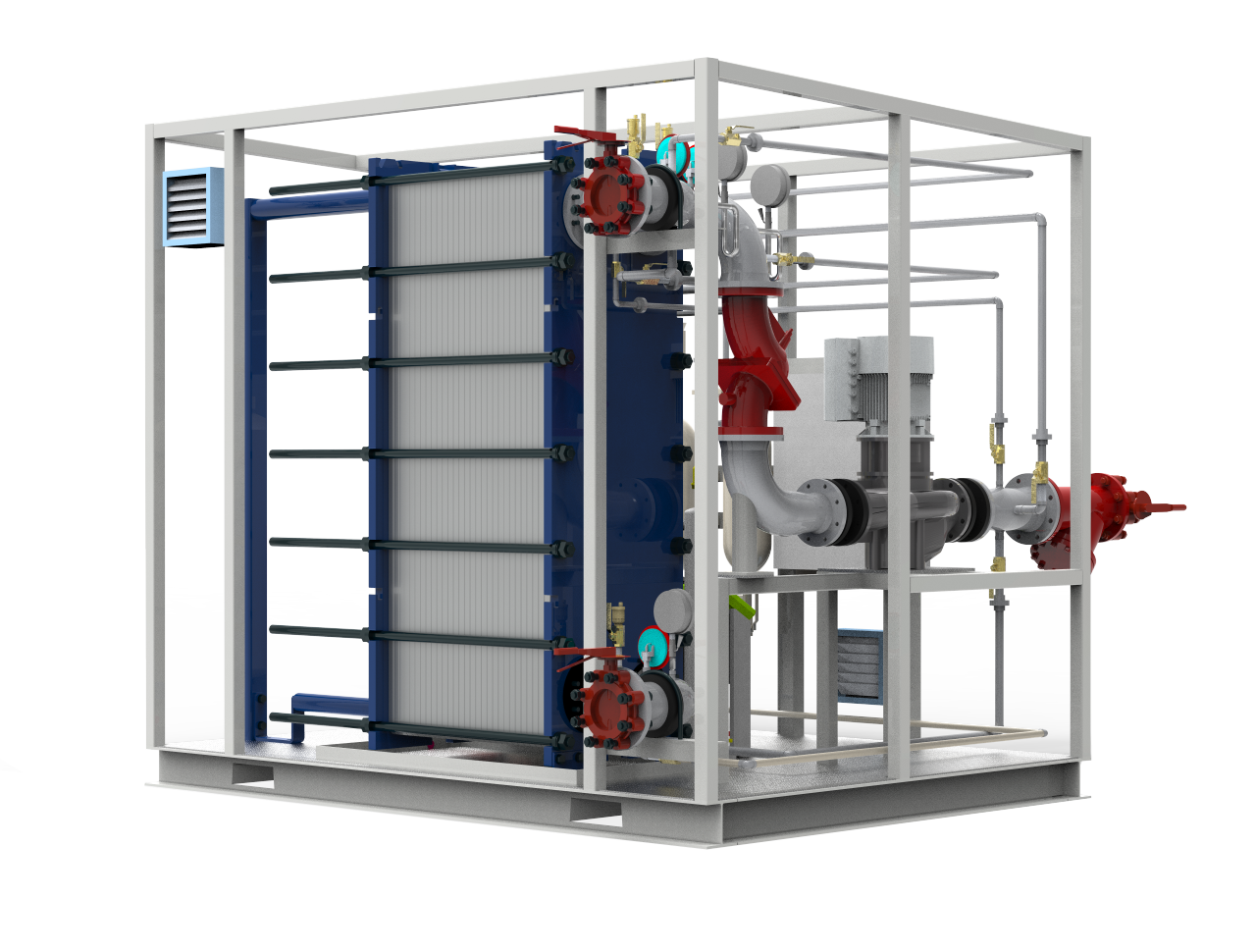
Related equipment on our site includes the receiver vessel for process holdup and skid-mounted units that integrate tanks, pumps and piping.
Good records of dimensions, thickness readings and repairs extend tank life and help plan replacement.
Our QC covers RT, UT, PT, MT and VT by certified personnel and calibrated instruments. Product ships only after required inspections and tests are completed.
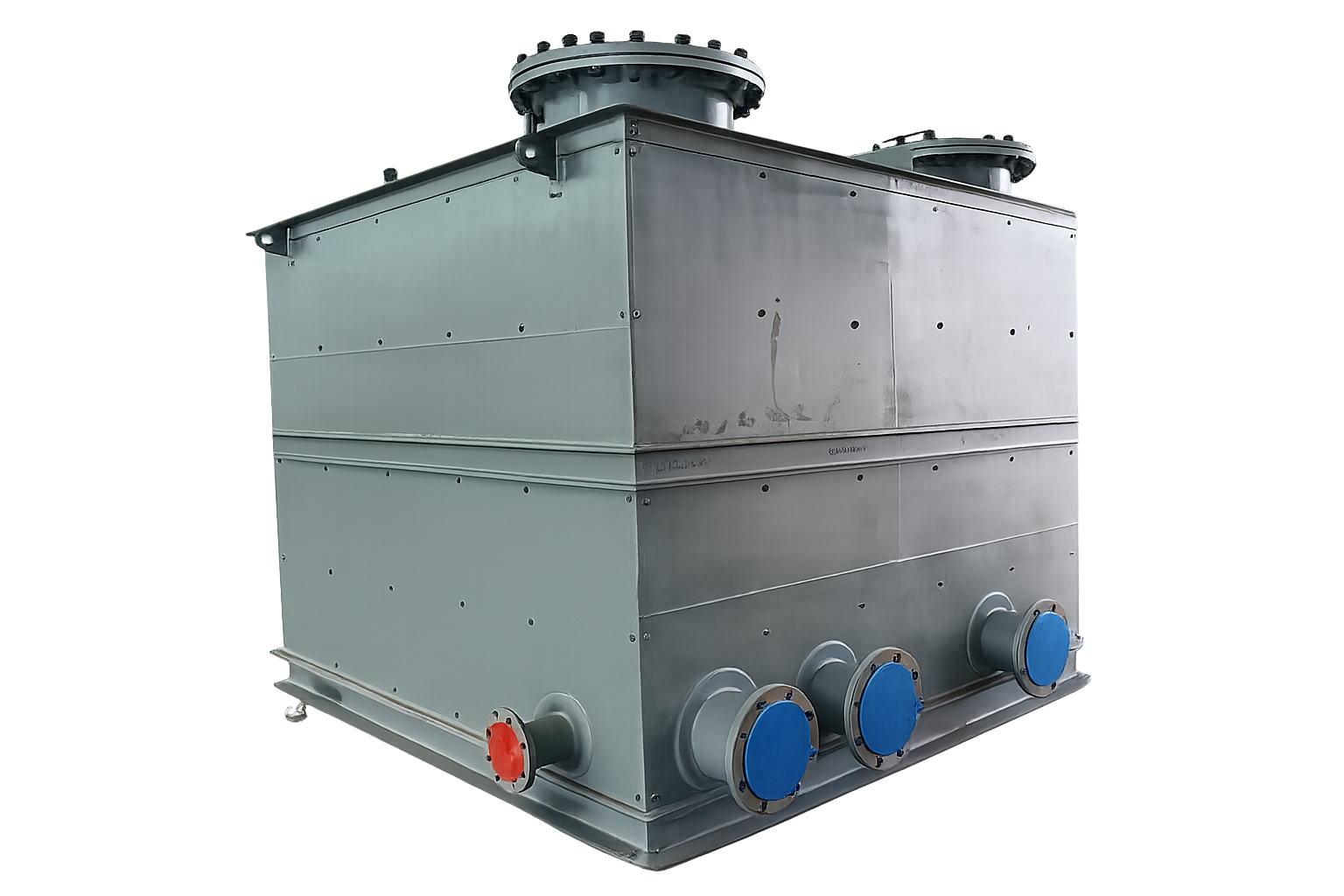
Customers in Bharuch, Vadodara, Ahmedabad and export markets can contact us through the contact page. For tanks of square or rectangular shape, see our guide to the square tank, and for dry bulk see silos.
Storage tanks hold liquids such as chemicals, fuels, water and process liquids at atmospheric or low pressure until they are used or transferred.
API 650 covers welded tanks for atmospheric storage, while API 620 covers larger low-pressure tanks with a small internal pressure above atmospheric.
Creative Engineering fabricates vertical and horizontal storage tanks from 1 KL to 200 KL and above, built to customer requirements.
Stainless steel such as SS 304 or 316L suits many chemicals; aggressive liquids may need Duplex, alloys or lined carbon steel. The best material depends on the chemical and temperature.
Vertical tanks save land area and suit large volumes, while horizontal tanks sit on saddles, are easier to install and suit smaller volumes and underground use.
Low-pressure tanks need pressure-vacuum relief valves, while atmospheric tanks need vents sized for filling and emptying and for fire or thermal events.
Creative Engineering of Ankleshwar manufactures vertical and horizontal storage tanks in carbon steel, stainless steel and alloys with ASME and ISO certified quality.
Industrial tanks range from 1 KL to hundreds of KL. Capacity is chosen from process demand, delivery frequency and safety stock; our tanks range from 1 KL up to 200 KL and above.
Creative Engineering, Ankleshwar, Gujarat designs and manufactures process equipment to ASME and IBR codes. Share your drawing or process data and our team will respond with a technical offer.




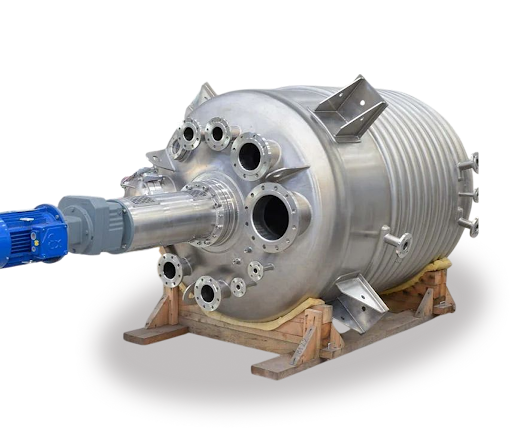 Reactor
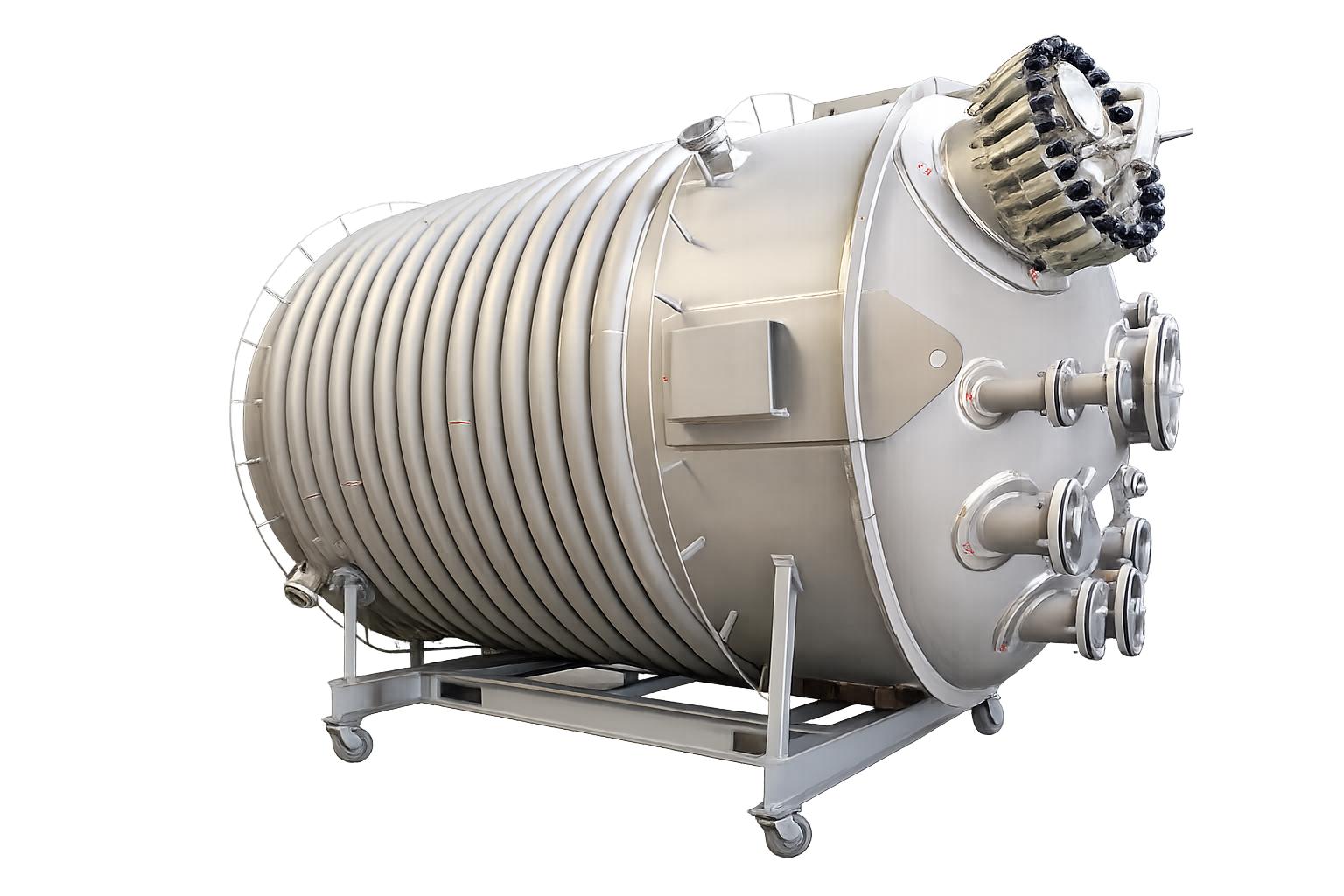 High Pressure Vessel
 Skid Equipment
 Receiver
 Heat Exchanger
 Pressure Vessel
 Silo
 Solvent Stripper
 Pharma Equipments