What the ASME U stamp and R stamp mean, how ASME Section VIII Division 1, 2 and 3 differ, what IBR approval and National Board registration add, and what to check when you buy a pressure vessel, reactor or heat exchanger.

The ASME U stamp authorises a manufacturer to build pressure vessels to ASME Section VIII, normally Division 1, under an audited quality program and an Authorized Inspector. The R stamp covers repairs and alterations. IBR (Indian Boiler Regulations) is the Indian statutory regime for steam and boiler-related equipment, and the National Board registers stamped vessels.
A pressure vessel stores energy. If the design is wrong, the welds are poor or the material is not what the certificate claims, it can fail violently. Codes exist to prevent this by prescribing how to calculate wall thickness, which materials are allowed, how to weld and examine them and how to test the finished vessel. A stamp or approval is the proof that an independent body has audited the manufacturer's ability to follow the code.
For buyers the practical value is threefold: the vessel is safer, your insurer and statutory inspector will accept it more easily, and you can sell, move or repair the vessel later because its design is documented. Creative Engineering holds ASME U and R stamps, NB registration and IBR approval, together with ISO 9001:2015, ISO 14001:2015, ISO 45001:2018 and ISO 3834 certification.
The ASME Boiler and Pressure Vessel Code (BPVC) is published by the American Society of Mechanical Engineers and is used in more than a hundred countries. It is divided into sections. The ones that matter most to process-equipment buyers are:
| Section | Subject |
|---|---|
| Section II | Material specifications (for example SA 516 plate, SA 240 stainless plate) |
| Section V | Non-destructive examination methods (RT, UT, PT, MT) |
| Section VIII Div 1 | Rules for construction of pressure vessels (the most widely used) |
| Section VIII Div 2 | Alternative rules, with more rigorous analysis |
| Section VIII Div 3 | Alternative rules for very high pressure |
| Section IX | Welding and brazing qualifications |
In plant language, "ASME-built" usually means a vessel designed and fabricated to Section VIII Div 1, with material to Section II, examined per Section V and welded under Section IX procedures.


| Aspect | Division 1 | Division 2 | Division 3 |
|---|---|---|---|
| Approach | Design by rule with proven formulae and generous margins | Design by rule or by analysis, allowing thinner walls | Analysis-based, for very high pressure |
| Typical pressure range | Up to about 3,000 psi (20 MPa) is the scope guidance | Higher pressure and large vessels | Very high pressure, beyond Div 1 and 2 |
| Design margin on strength | Higher (more conservative) | Lower, with more design effort | Detailed fatigue and fracture analysis |
| Documentation and examination | Moderate | More demanding | Most demanding |
| Where used | Most process vessels, reactors, receivers, columns | Large refinery vessels, fatigue-sensitive duty | Ultra-high-pressure polyethylene and similar services |
Most chemical, pharma and refinery equipment, including the reactors, receivers and columns discussed on this blog, is built to Division 1. Higher-end duty may be reviewed for Division 2 or 3.
The U stamp is the certification mark that a manufacturer is permitted to apply to a new pressure vessel built to Section VIII Division 1. To obtain a Certificate of Authorization, the manufacturer must demonstrate a documented quality control system, a design capability, qualified welding procedures and welders, and a way to hold the work to the code. A team from ASME reviews the shop, and an Authorized Inspector (AI) from an accredited inspection agency witnesses key steps on every vessel before it is stamped. U2 is the corresponding mark for Division 2 and U3 for Division 3.
The R stamp is issued by the National Board for repair and alteration of pressure-retaining items. It lets a shop repair or modify a stamped vessel in accordance with the National Board Inspection Code. Having both U and R stamps in the same shop means you can buy new vessels and later have them repaired without going to a different organisation.
The National Board of Boiler and Pressure Vessel Inspectors registers pressure vessels and issues the "NB" number that appears on the nameplate. Registration places the vessel's data report on file so that inspectors anywhere in the world can verify the design. For manufacturers, National Board certification is evidence of inspection and quality practice, and for owners it simplifies re-rating, transfer and insurance questions.
The Indian Boilers Act and the Indian Boiler Regulations (IBR) govern boilers, steam pipes, feed-water heaters and related equipment in India. Equipment that falls under IBR needs materials, design, welding and inspection that follow the regulations, and the work is overseen by the Boiler Inspectorate or an authorised inspecting agency. IBR applies to steam and boiler-related duty rather than to every pressure vessel, so you must confirm applicability for each piece of equipment with your plant and statutory authority.
IBR approval of a manufacturer indicates that its shop, procedures and personnel have been reviewed for such work. An IBR-approved fabricator can build steam receivers, heat exchangers in steam service, economisers and similar equipment under statutory inspection. Creative Engineering is IBR approved and also holds an IBR certificate through Mazdock.
| Term | Meaning | Why it matters to you |
|---|---|---|
| Design pressure | Pressure used to calculate thickness, at least the highest expected operating pressure plus margin | Sets wall thickness and flange rating |
| MAWP | Maximum allowable working pressure of the weakest part in the corroded condition | Sets the highest pressure the vessel may legally operate at |
| Design temperature | Metal temperature used to pick allowable stress | Higher temperature lowers allowable stress |
| MDMT | Minimum design metal temperature | Decides whether impact-tested material is needed |
| Joint efficiency (E) | Credit for weld quality: depends on the degree of radiography | Affects plate thickness and cost |
| Corrosion allowance | Extra thickness added for expected corrosion | Extends service life |
| Hydrotest pressure | Pressure for proof test, normally a multiple of MAWP | Confirms strength and leak-tightness |
When two quotations differ, check these values first. A vessel quoted at a higher joint efficiency or a smaller corrosion allowance will look cheaper but may not match your life expectation.
Customers in different regions may specify different codes. ASME Section VIII is accepted globally and is the default for many oil, gas and chemical projects, including those in the Middle East, Africa and Southeast Asia. In the European Union, pressure equipment must conform to the Pressure Equipment Directive, with design commonly to EN 13445 or via harmonised alternatives, and equipment carries the CE mark following conformity assessment by a notified body. Some countries accept ASME-stamped vessels with additional local registration. Always confirm with your end user or inspection authority before you place an order for an export project, and tell your fabricator the destination country so that documents and inspection can be planned.
Creative Engineering supports export and international procurement, and the team can coordinate third-party inspection and documentation when required by your project specification.
The extent of radiography changes the joint efficiency used in the thickness calculation: fully radiographed seams allow a higher efficiency, hence thinner plate, than spot-examined ones. That is one reason quotes can look different even for the same vessel.
Our certifications are listed on the certification page; read the quality policy too. To discuss a specific vessel, use the contact page.
The ASME U stamp is the certification mark that allows a manufacturer to build new pressure vessels to ASME Section VIII Division 1, under audited quality control and Authorized Inspector oversight.
The U stamp is for new construction, while the R stamp, issued by the National Board, is for repair and alteration of pressure-retaining items.
Division 1 uses design-by-rule with conservative margins and is used for most vessels; Division 2 permits design by analysis with thinner walls but requires more engineering and examination.
No. IBR applies to boilers and steam-related equipment. Whether a particular vessel needs IBR approval depends on its duty and local statutory requirements.
The National Board of Boiler and Pressure Vessel Inspectors registers stamped pressure vessels and administers the R stamp for repairs.
The U-1A is the Manufacturer's Data Report for a pressure vessel built to ASME Section VIII Div 1, signed by the manufacturer and the Authorized Inspector.
Yes. Creative Engineering of Ankleshwar holds ASME U and R stamps, NB registration and IBR approval.
Creative Engineering, Ankleshwar, Gujarat designs and manufactures process equipment to ASME and IBR codes. Share your drawing or process data and our team will respond with a technical offer.

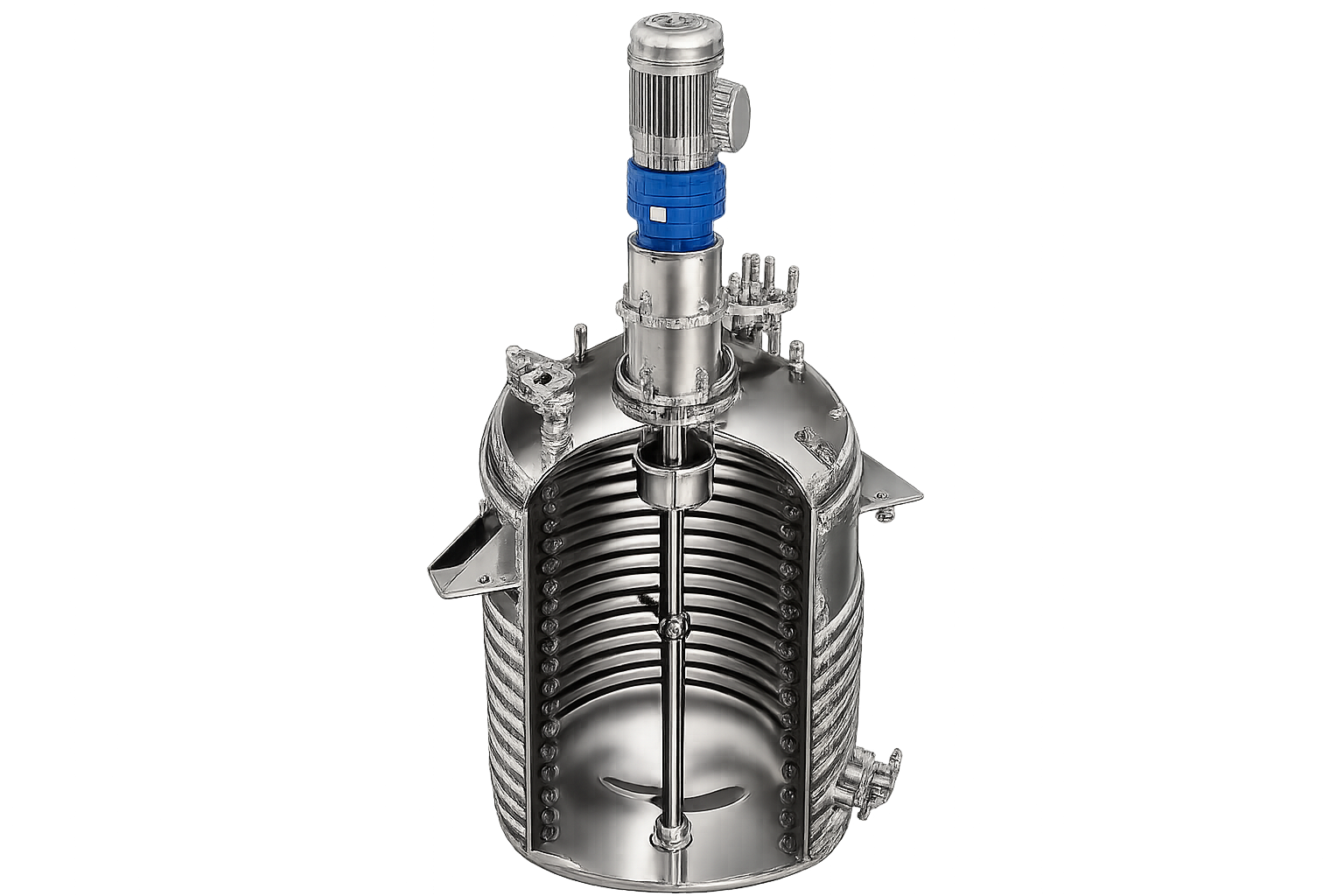
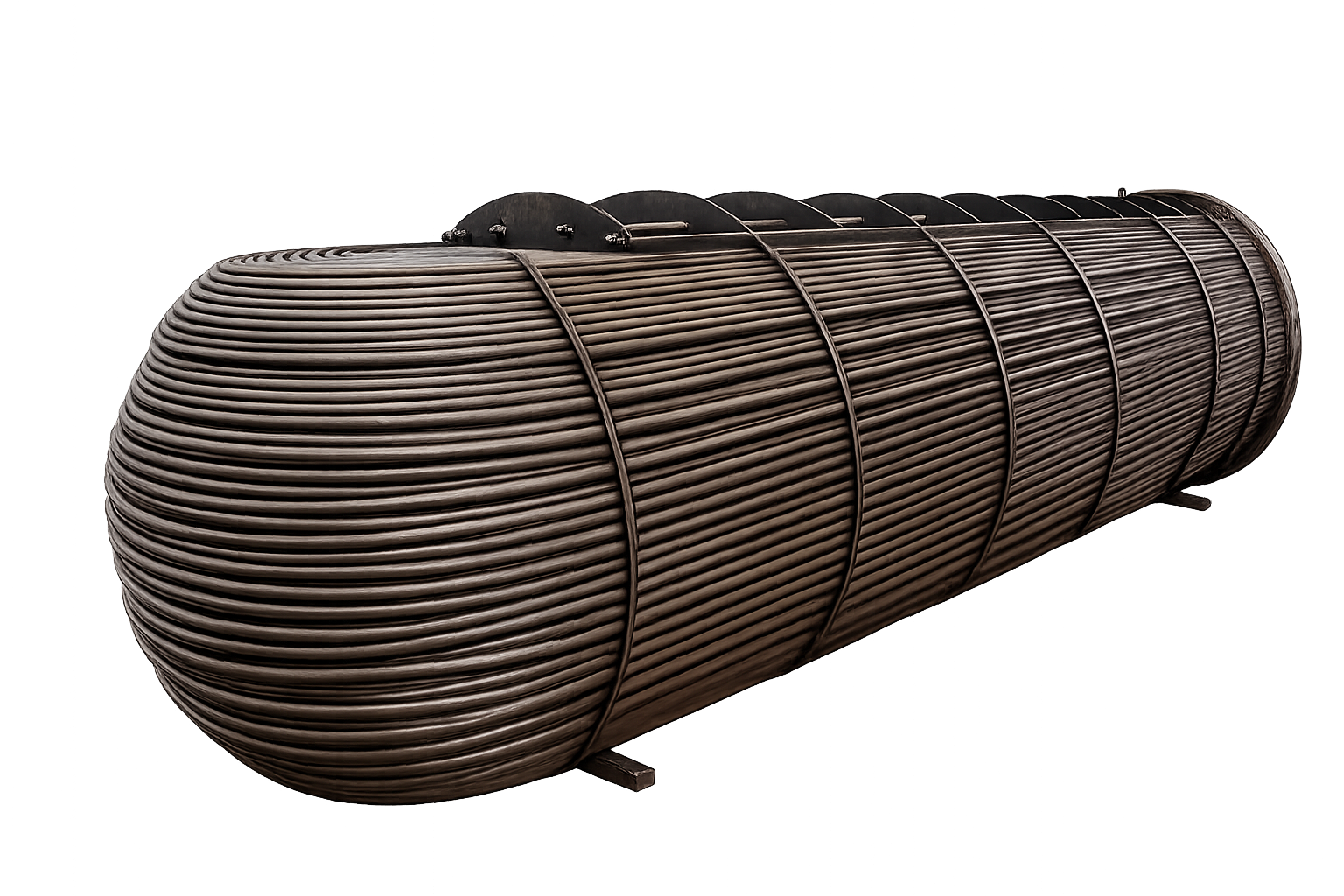
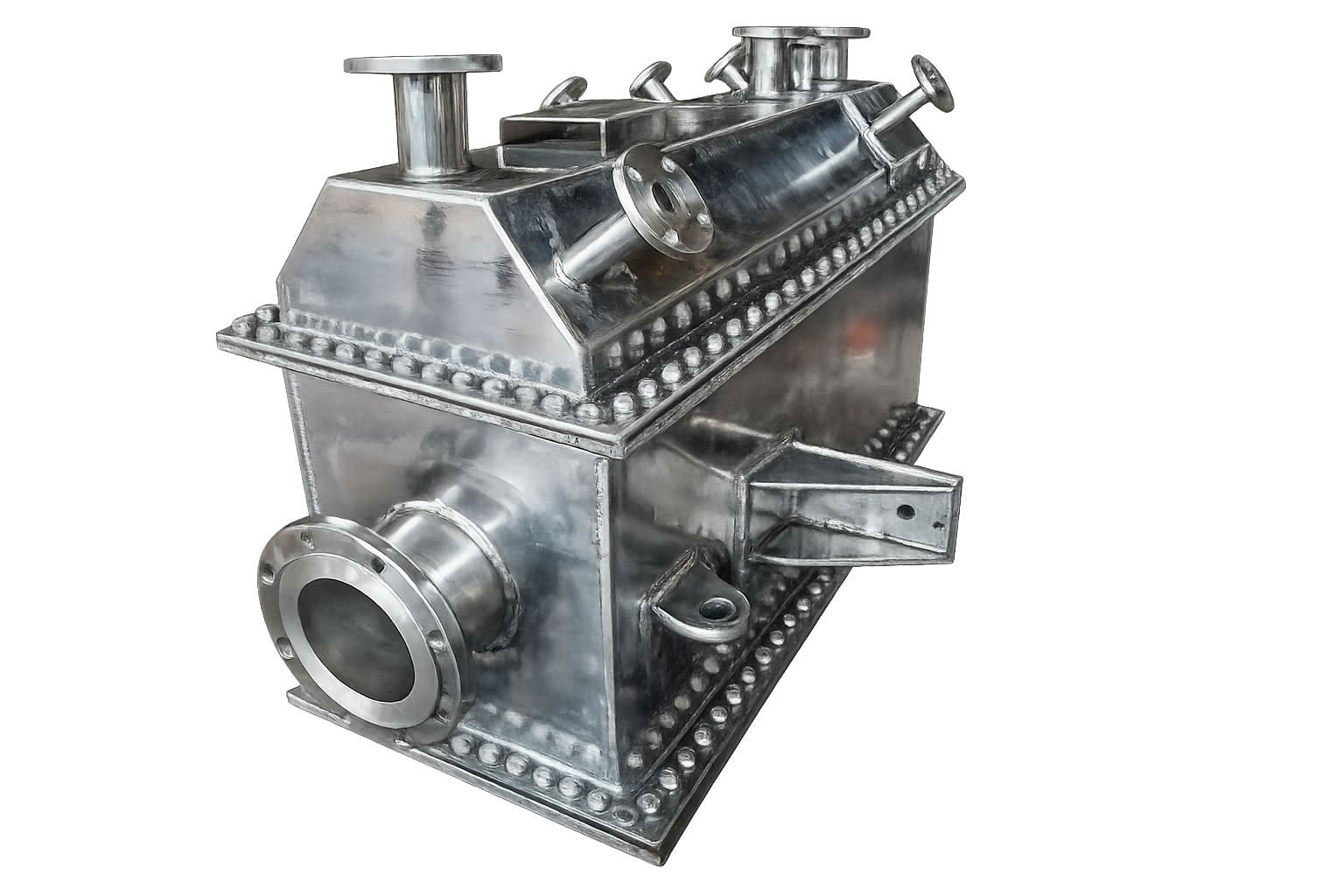
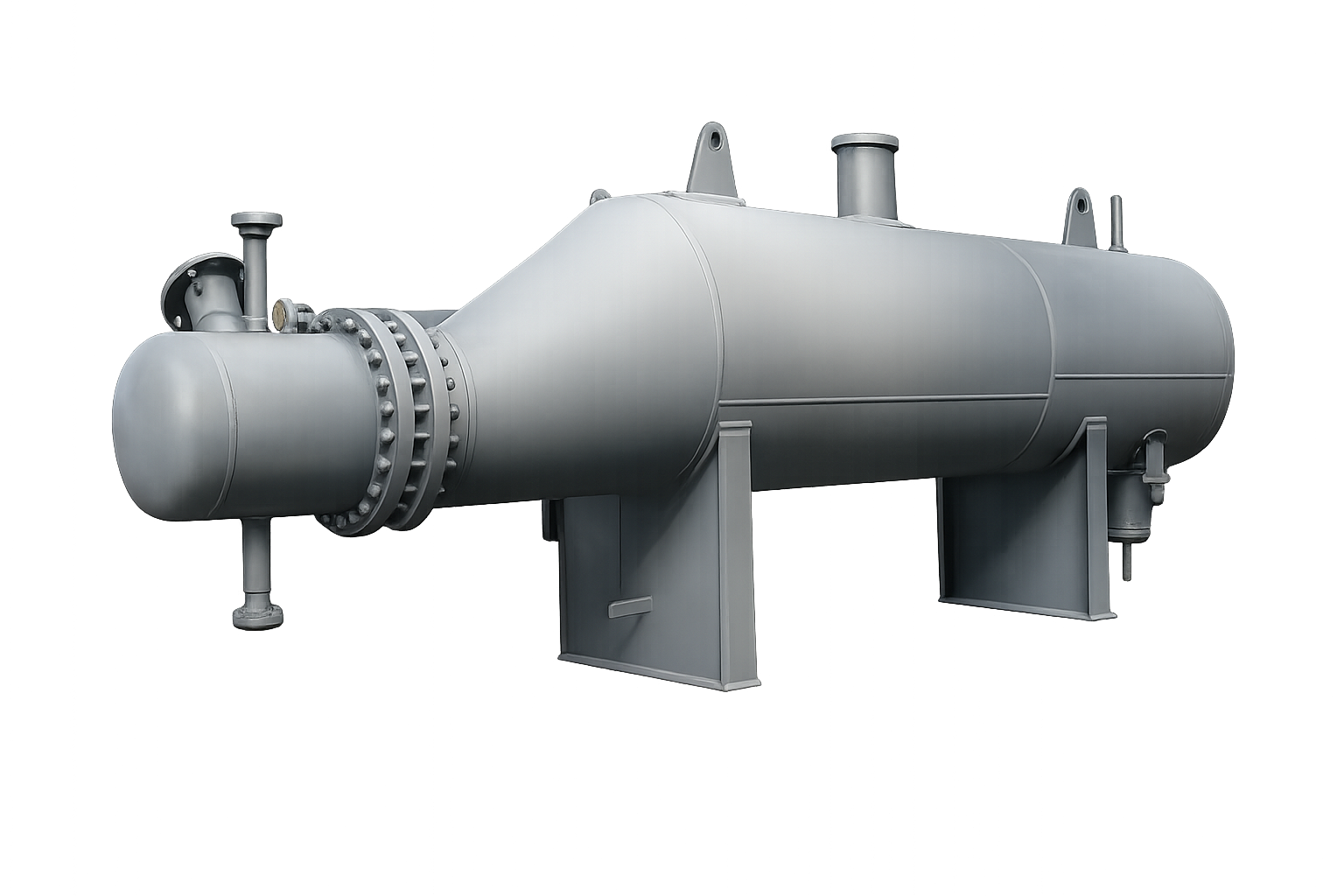
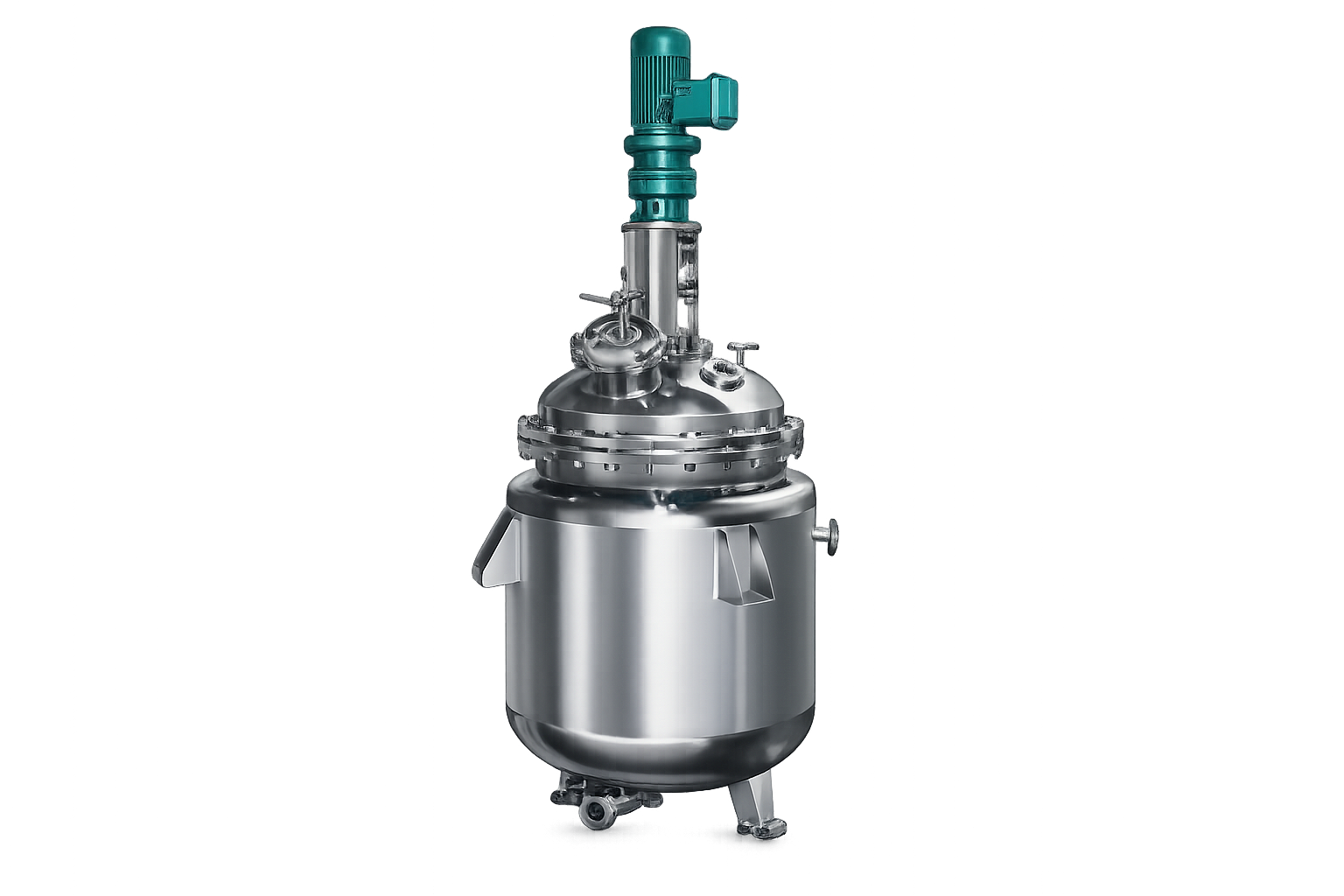
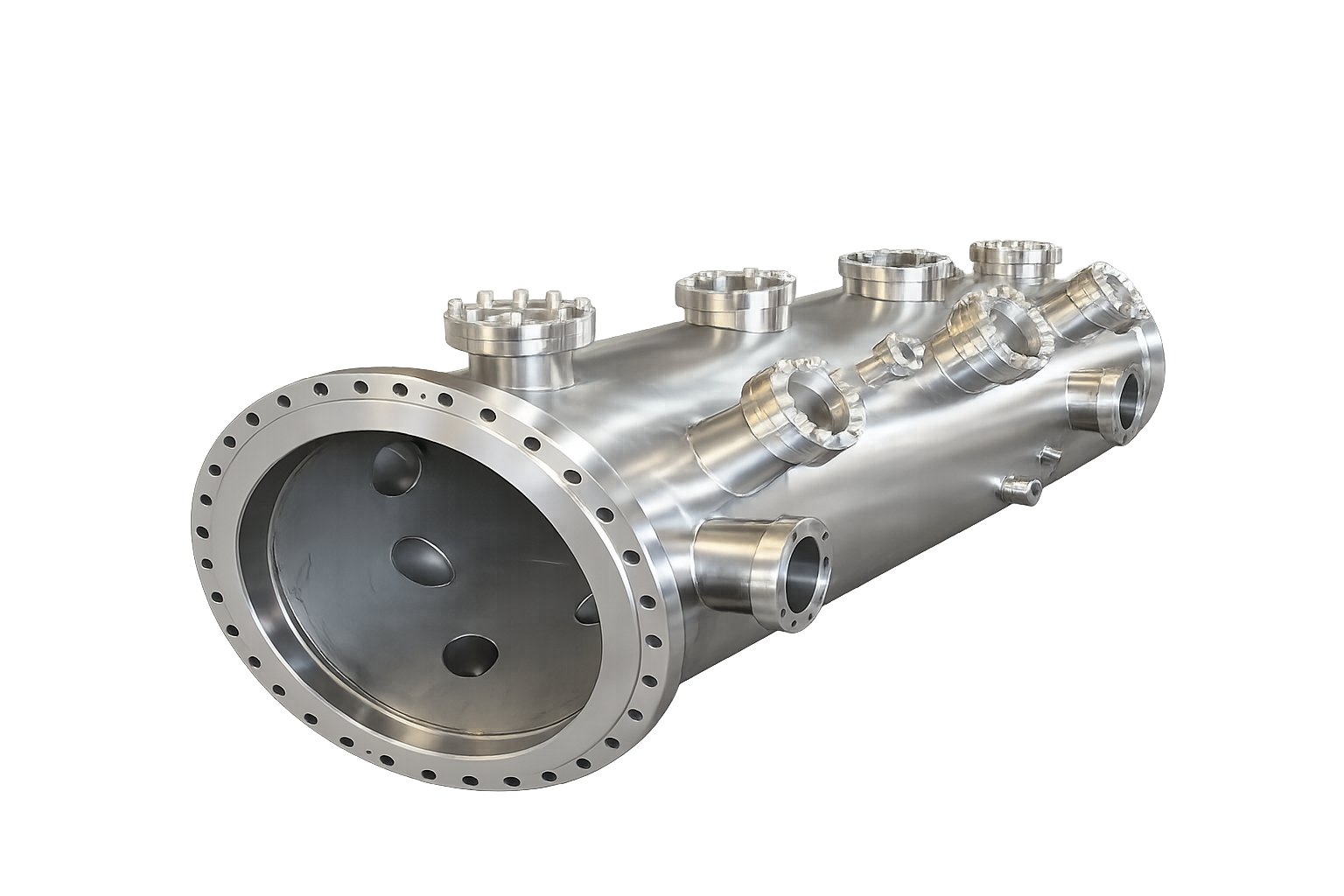
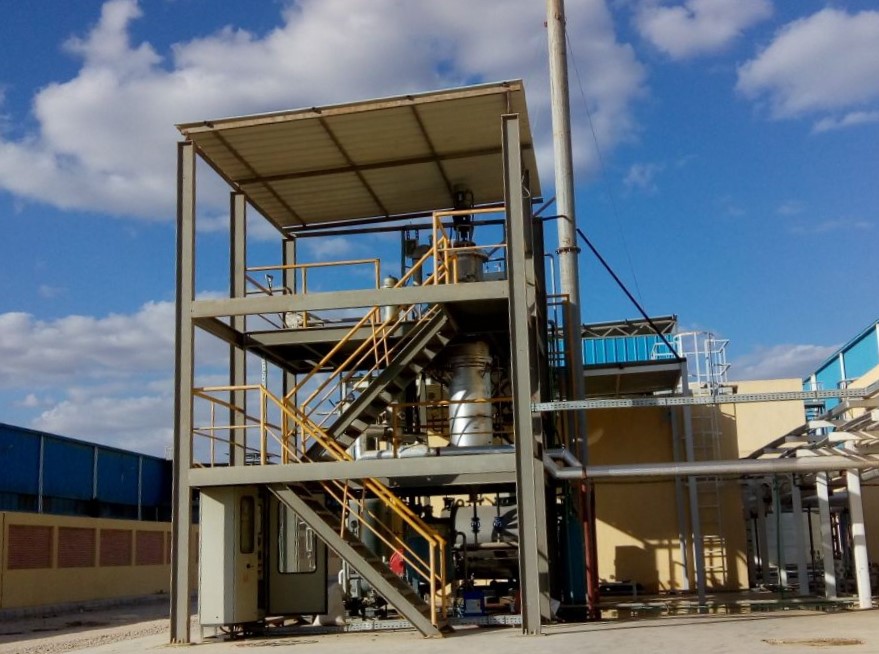
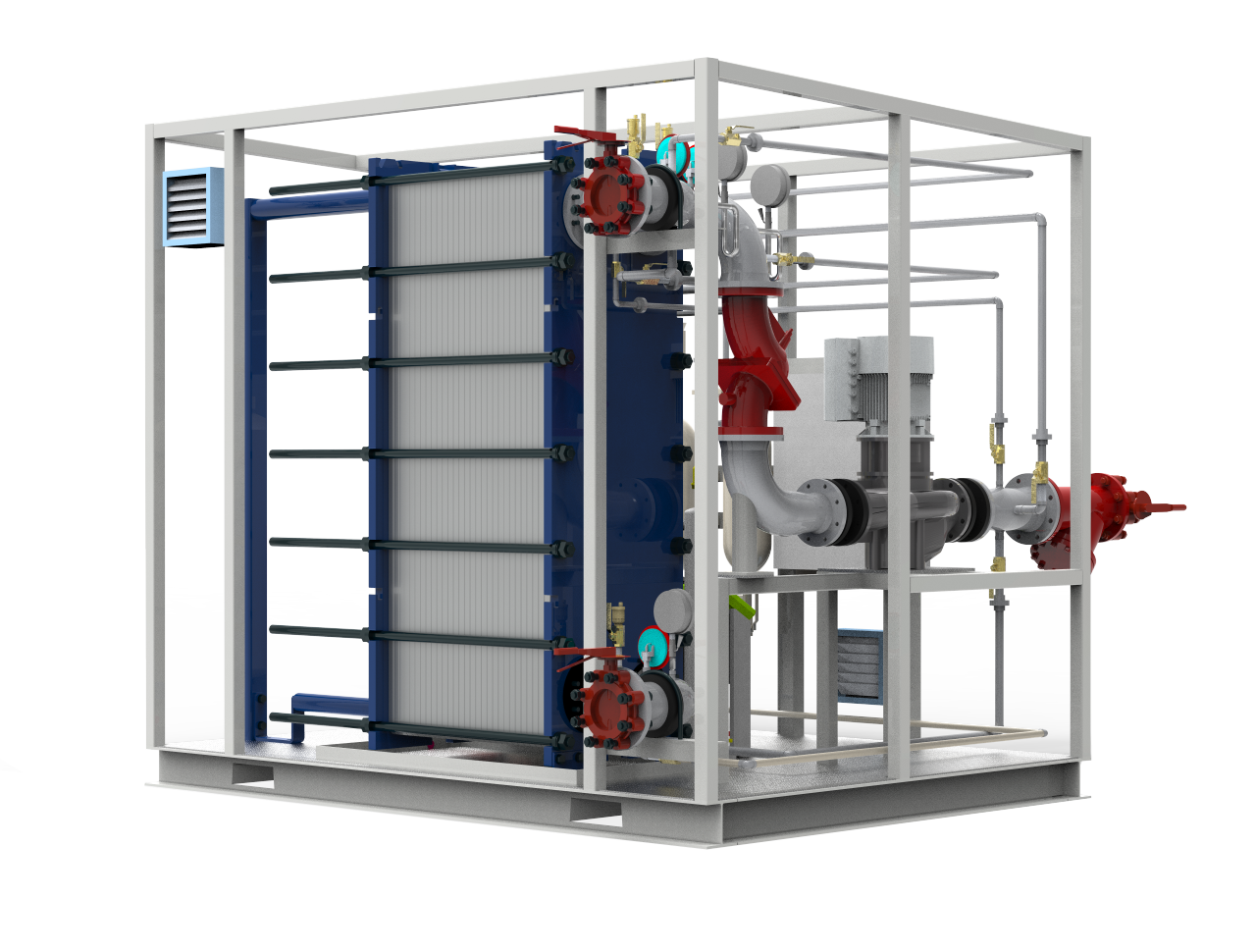
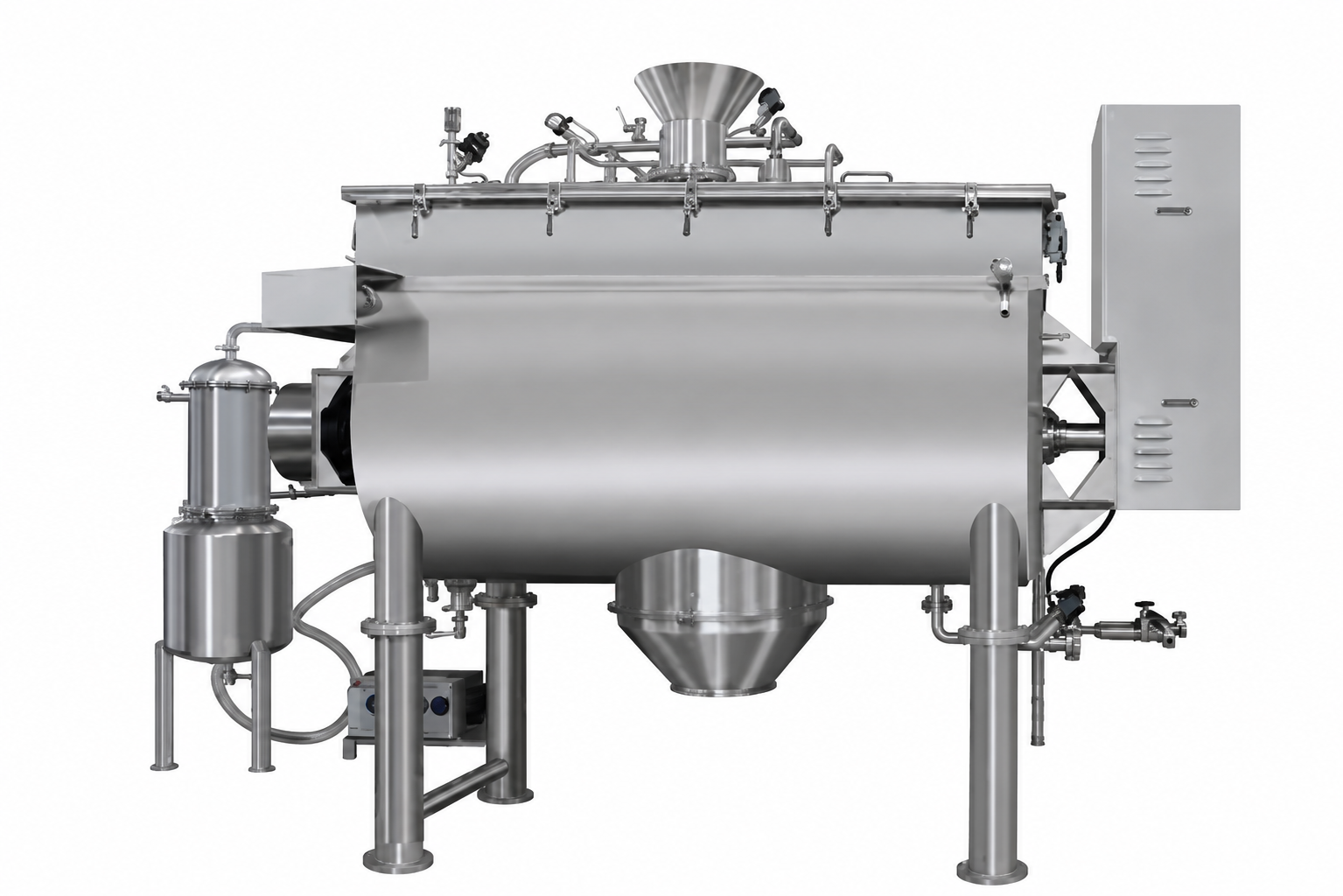







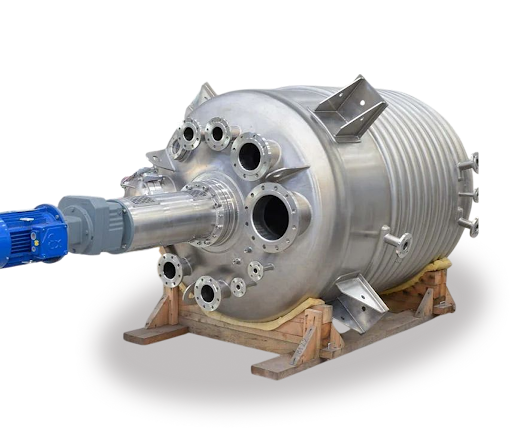 Reactor
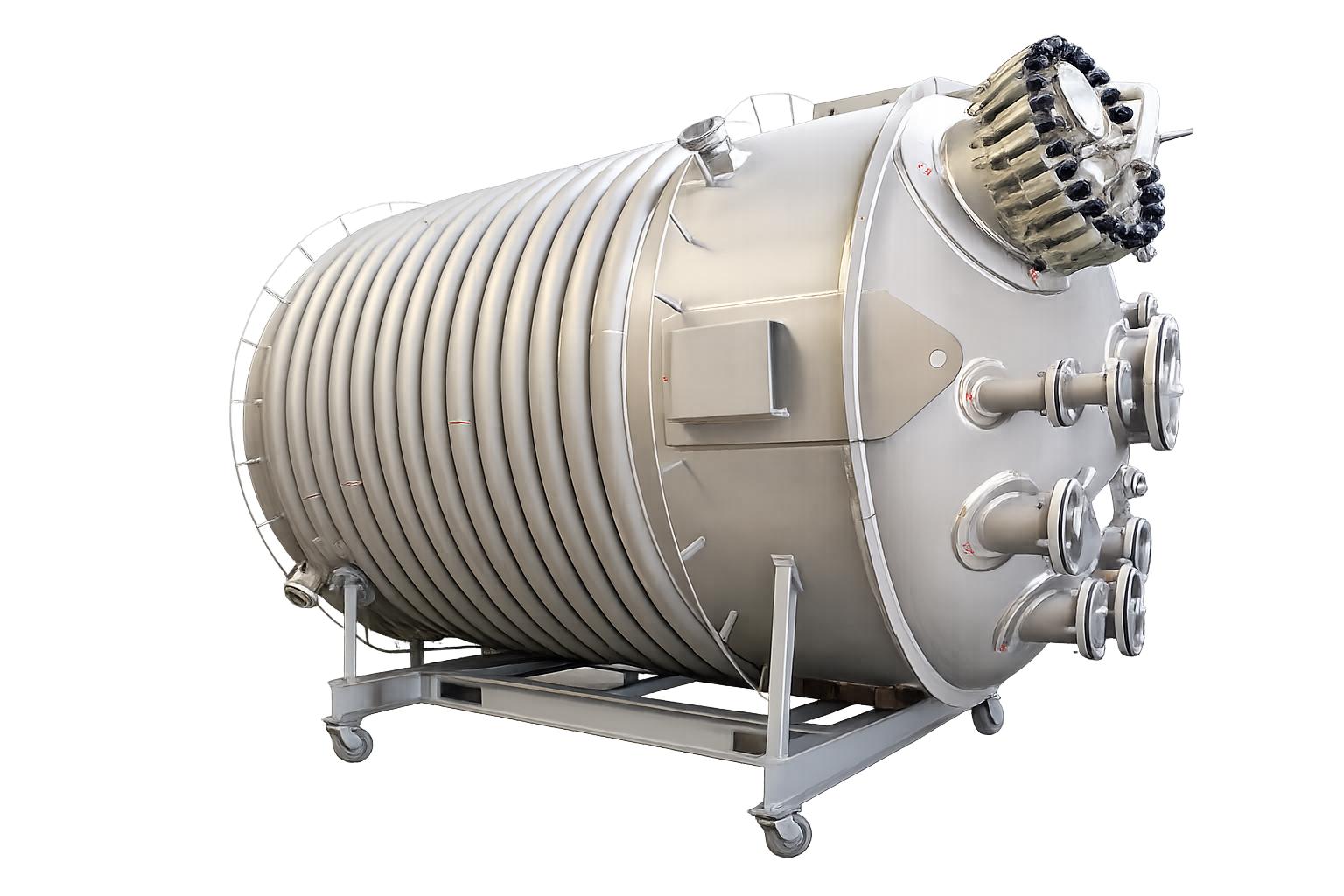 High Pressure Vessel
 Skid Equipment
 Receiver
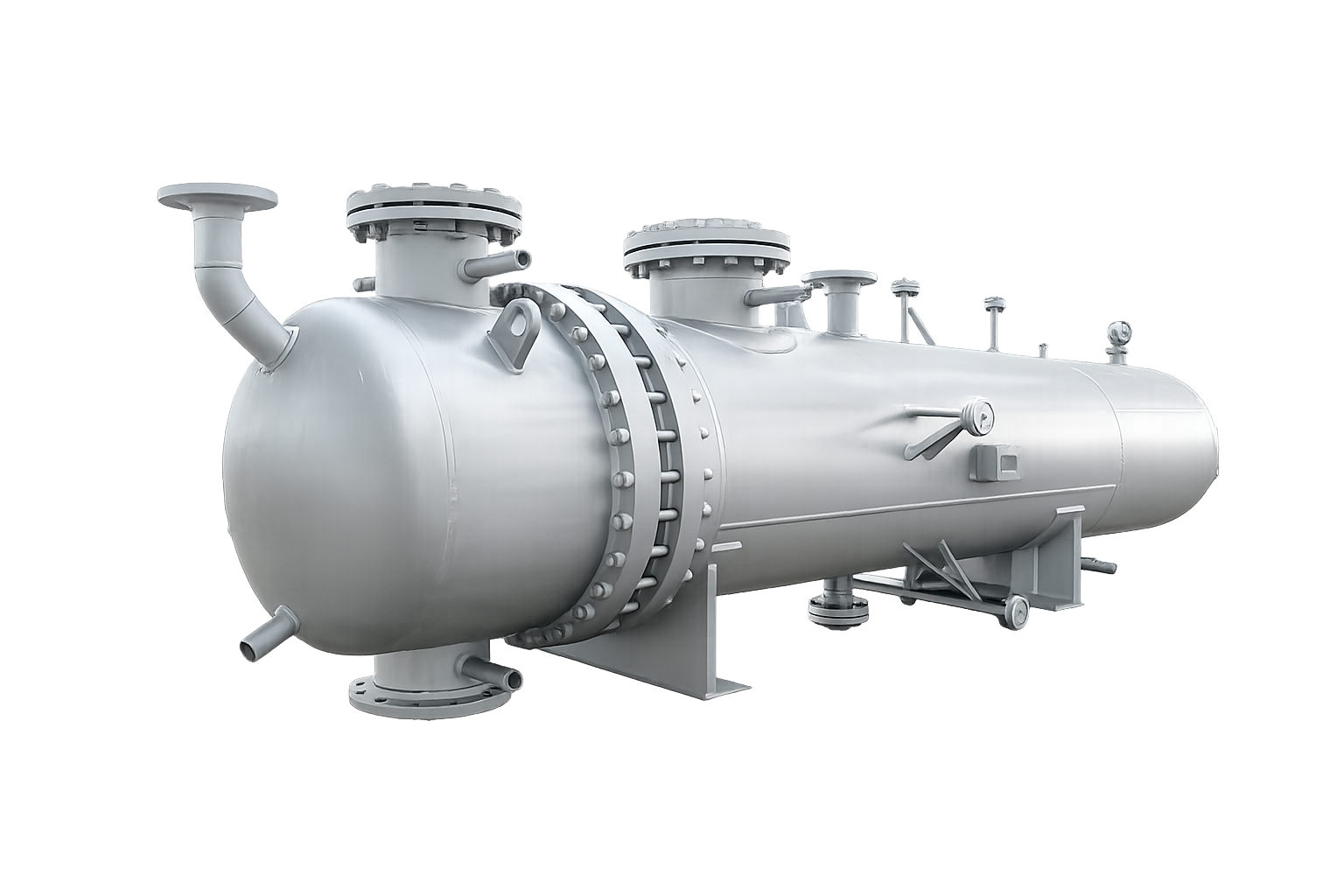 Heat Exchanger
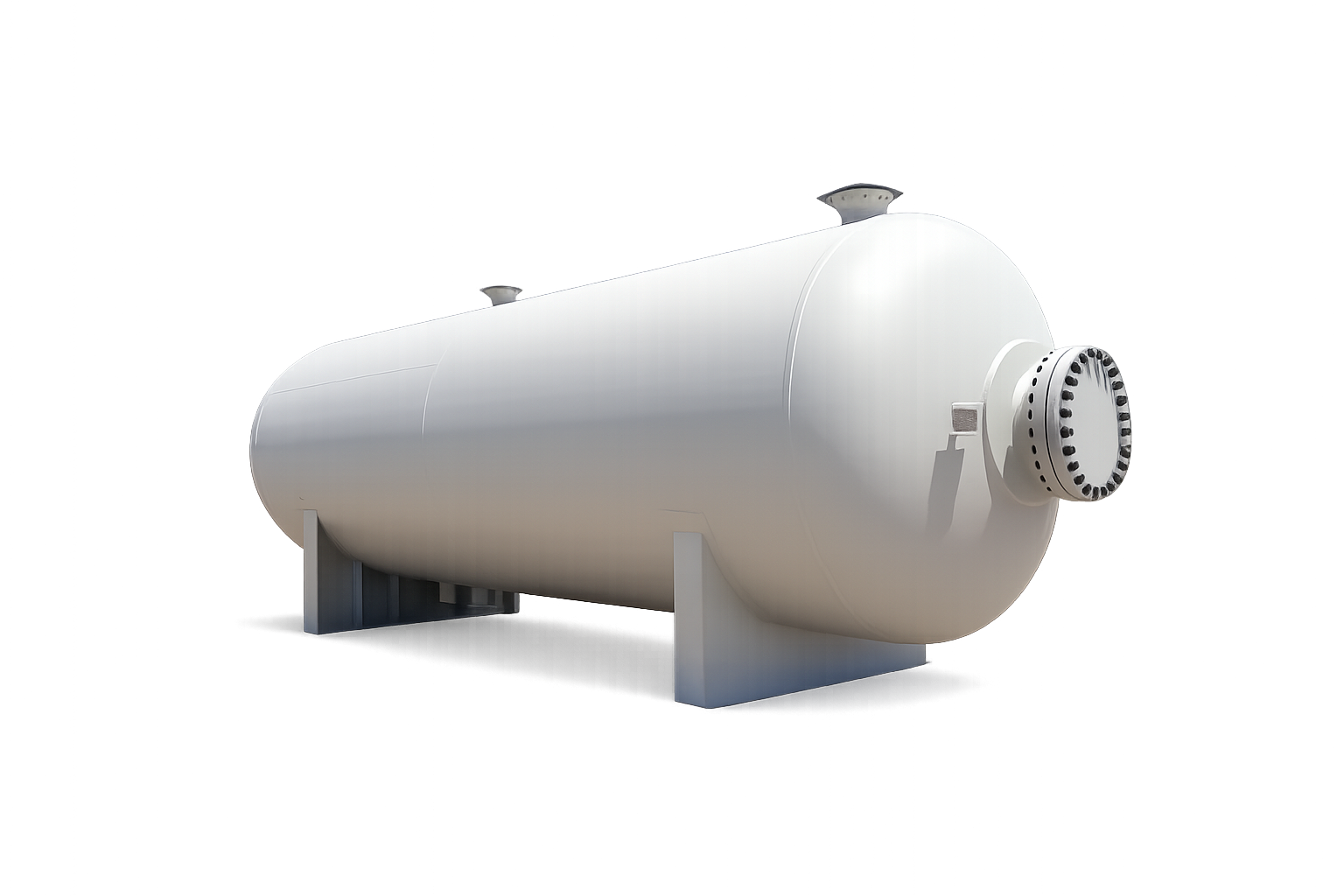 Pressure Vessel
 Silo
 Solvent Stripper
 Pharma Equipments